Harness Engineering: Making AI Reliable
As artificial intelligence systems become more powerful and widely adopted, ensuring their reliability has become a critical challenge. While AI models can generate impressive results, they can also produce errors, inconsistencies, or unpredictable outputs. This is where Harness Engineering comes into play.
Harness engineering refers to the practice of designing systems, frameworks, and safeguards that control, evaluate, and improve the behavior of AI models. It focuses on making AI systems dependable, safe, and consistent in real-world applications.
In 2026, harness engineering is emerging as a key discipline for building trustworthy AI systems.
What Is Harness Engineering?
Harness engineering involves creating structured systems around AI models to ensure reliability and control.
- Testing and validation frameworks
- Monitoring and feedback systems
- Control mechanisms
- Safety and compliance layers
It ensures AI behaves as expected.
Why AI Reliability Is Important
- Prevents errors and failures
- Ensures consistent performance
- Builds user trust
- Supports regulatory compliance
Reliability is critical for adoption.
Key Components of Harness Engineering
- Evaluation: Testing AI outputs
- Monitoring: Tracking performance
- Control: Managing behavior
- Feedback: Continuous improvement
These components ensure stability.
How Harness Engineering Works
Harness engineering integrates multiple processes.
- Define expected behavior
- Test AI outputs
- Monitor real-time performance
- Apply corrections and updates
This ensures continuous reliability.
Techniques Used in Harness Engineering
- Automated testing frameworks
- Human-in-the-loop systems
- Guardrails and constraints
- Prompt engineering
These techniques improve AI performance.
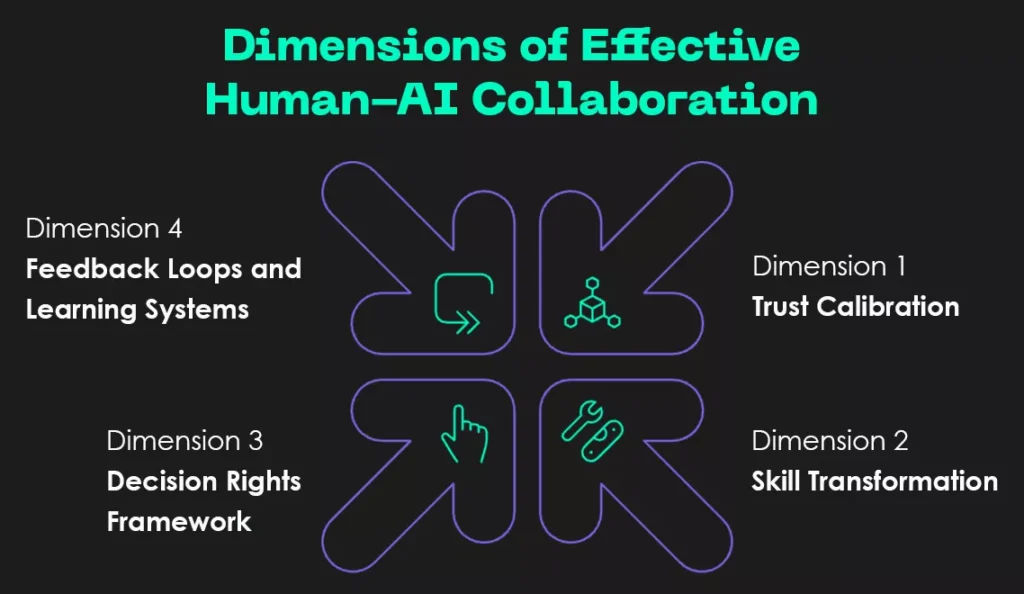
Benefits of Harness Engineering
- Improved accuracy
- Reduced risks
- Better user trust
- Scalable AI systems
These benefits drive adoption.
Challenges in Harness Engineering
- Complex system design
- High implementation cost
- Continuous monitoring requirements
- Balancing control and flexibility
These challenges require expertise.
Harness engineering is the backbone of trustworthy AI—ensuring that intelligence is not just powerful, but also reliable and safe.
Harness Engineering vs Traditional Software Testing
- Traditional → Deterministic systems
- AI → Probabilistic systems
- Traditional → Fixed outputs
- AI → Variable outputs
This makes harness engineering unique.
Future of Harness Engineering
The future of harness engineering is evolving rapidly.
- AI-driven testing systems
- Advanced monitoring tools
- Automated reliability frameworks
- Integration with DevOps (MLOps)
It will become a standard practice.
Role in Digital Transformation
Harness engineering supports reliable digital transformation.
- Ensures safe AI deployment
- Improves system performance
- Builds trust in AI systems
It is essential for modern AI applications.
Frequently Asked Questions
What is harness engineering?
It ensures AI systems are reliable and controlled.
Why is it important?
It prevents errors and improves trust.
Where is it used?
AI systems, automation, and software development.
Conclusion
Harness engineering is a critical discipline for ensuring the reliability and safety of AI systems. By implementing structured frameworks for testing, monitoring, and control, it enables organizations to deploy AI with confidence. As AI continues to evolve, harness engineering will play a central role in building trustworthy, scalable, and high-performance intelligent systems.