Human-Computer Interaction (HCI)
Human-Computer Interaction (HCI) is a multidisciplinary field that focuses on the design and use of computer technology, particularly the interfaces between users and computers. It aims to create systems that are efficient, user-friendly, and enjoyable to use.
As technology becomes an integral part of everyday life, the importance of HCI continues to grow. From mobile applications to advanced systems like virtual reality and artificial intelligence, HCI plays a crucial role in shaping how humans interact with digital environments.
Understanding HCI is essential for designers, developers, and businesses aiming to build intuitive and effective digital products.
What Is Human-Computer Interaction?
Human-Computer Interaction is the study and practice of designing systems that allow humans to interact effectively with computers.
- Focuses on user interaction
- Improves usability
- Enhances user satisfaction
- Bridges humans and technology
It ensures better communication between users and systems.
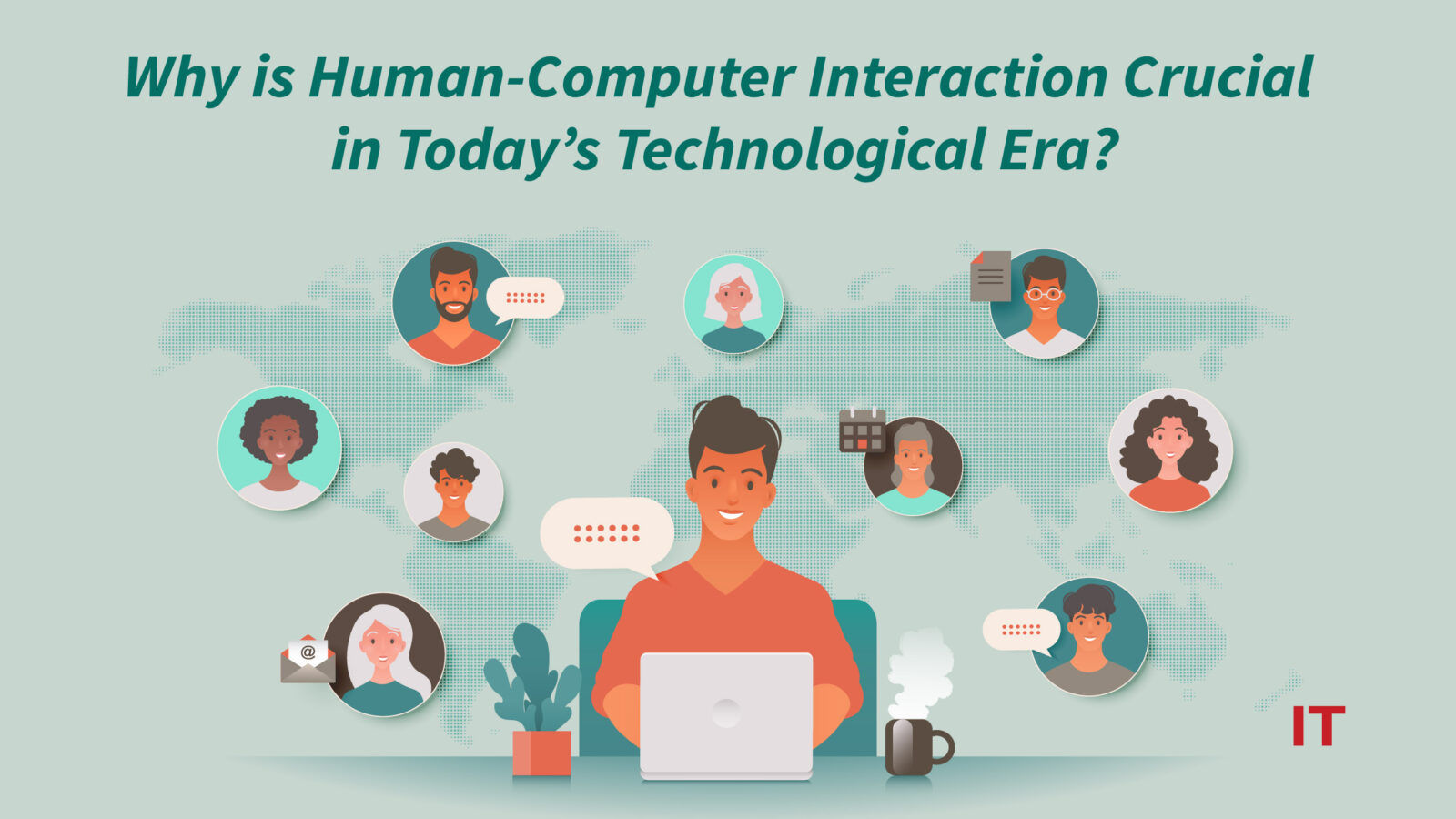
Importance of HCI
HCI plays a vital role in the success of digital systems.
- Improves usability
- Enhances user experience
- Reduces errors
- Increases productivity
It makes technology more accessible and efficient.
Key Components of HCI
- Users: People interacting with systems
- Interface: Medium of interaction
- Tasks: Goals users want to achieve
- Context: Environment of interaction
These components define interaction quality.
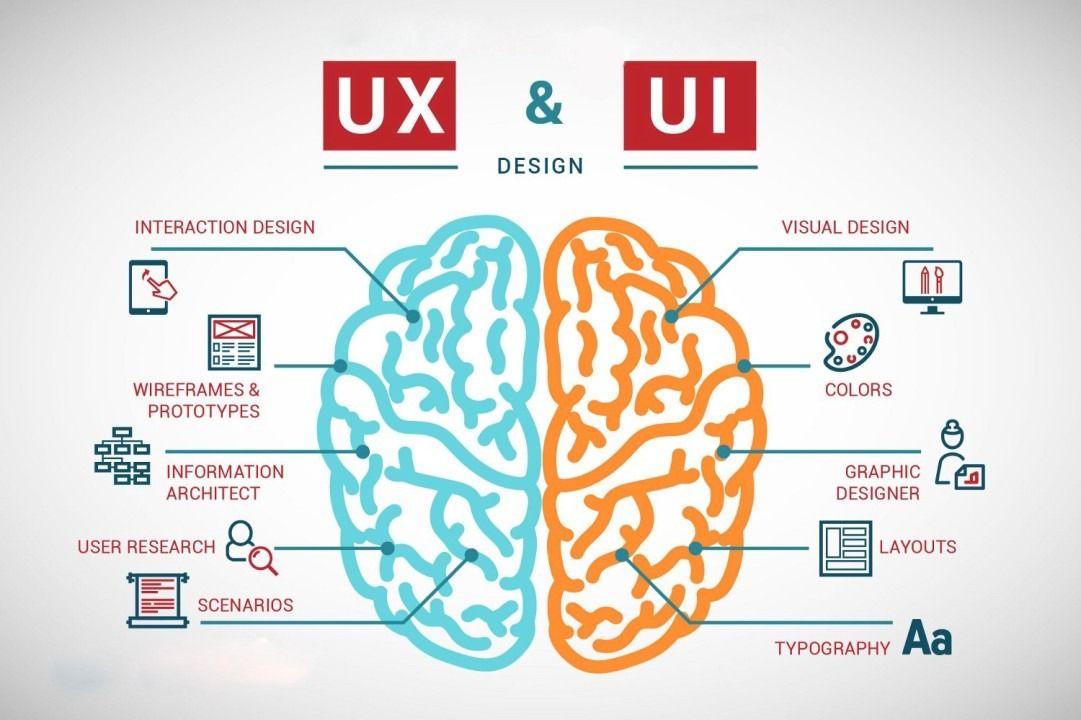
Types of Interaction
- Graphical User Interface (GUI)
- Voice User Interface (VUI)
- Gesture-based interaction
- Touch-based interaction
Each type offers different user experiences.
HCI Design Principles
- Consistency
- Feedback
- Simplicity
- Accessibility
These principles guide effective design.
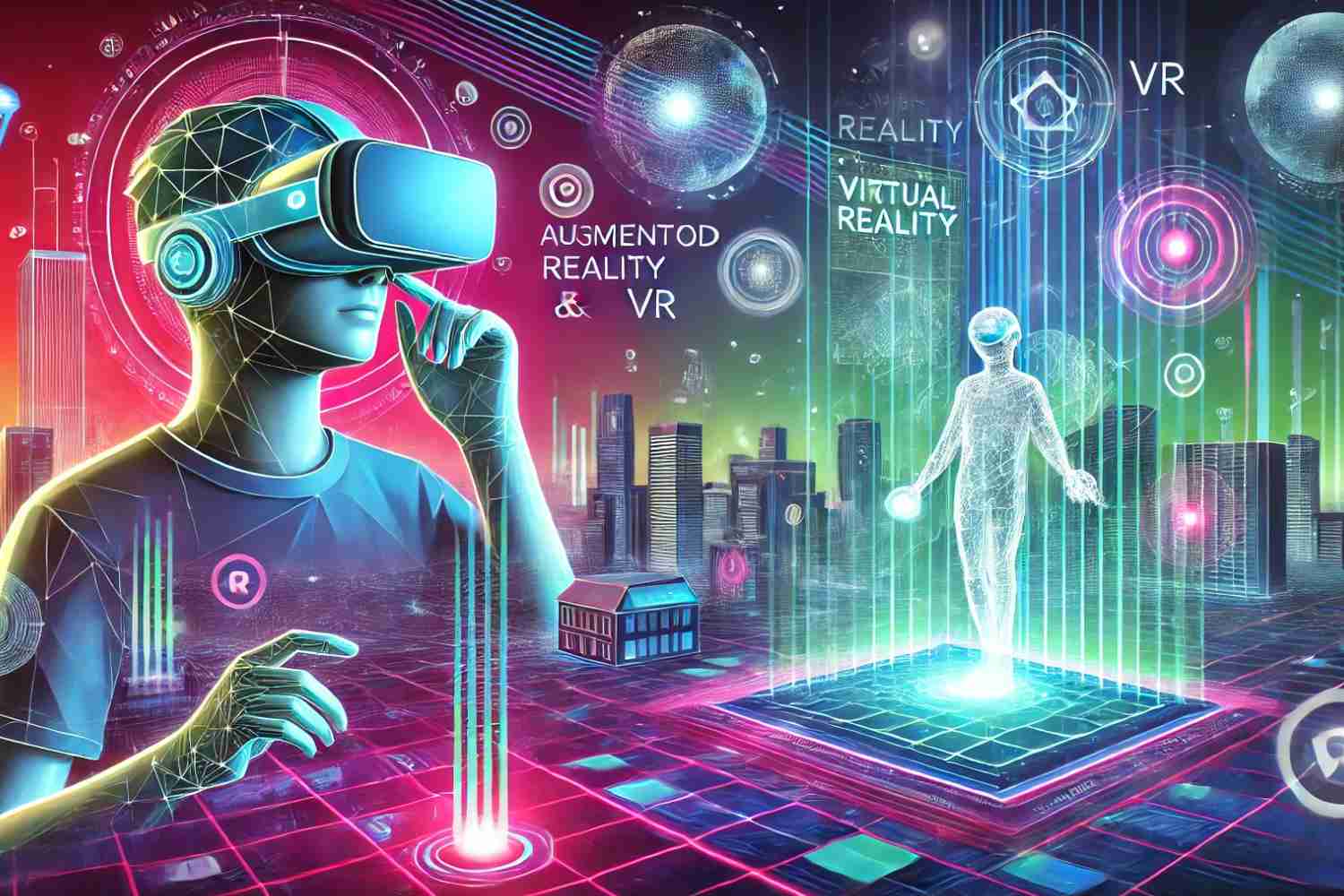
Applications of HCI
HCI is used across various industries.
- Mobile applications
- Web design
- Healthcare systems
- Gaming and VR
- Educational platforms
Its applications are widespread.
Benefits of HCI
- Improved usability
- Enhanced user satisfaction
- Better accessibility
- Increased efficiency
These benefits improve system performance.
Challenges in HCI
- Diverse user needs
- Rapid technological changes
- Design complexity
- Accessibility issues
Addressing these challenges is essential.
Human-Computer Interaction is about making technology human-friendly, intuitive, and accessible for everyone.
Future of HCI
The future of HCI is driven by emerging technologies.
- AI-powered interfaces
- Voice and gesture control
- Virtual and augmented reality
- Brain-computer interfaces
It will redefine human interaction with technology.
Role in Digital Transformation
HCI plays a key role in digital transformation.
- Enhances user experience
- Improves engagement
- Drives innovation
It is essential for modern systems.
Frequently Asked Questions
What is HCI?
It is the study of interaction between humans and computers.
Why is HCI important?
It improves usability and user experience.
Where is HCI used?
Apps, websites, healthcare, gaming, and more.
Conclusion
Human-Computer Interaction is a vital field that ensures technology is accessible, efficient, and enjoyable to use. By focusing on user needs and design principles, HCI helps create better digital experiences and drives innovation. As technology continues to evolve, HCI will play a crucial role in shaping the future of human-technology interaction.