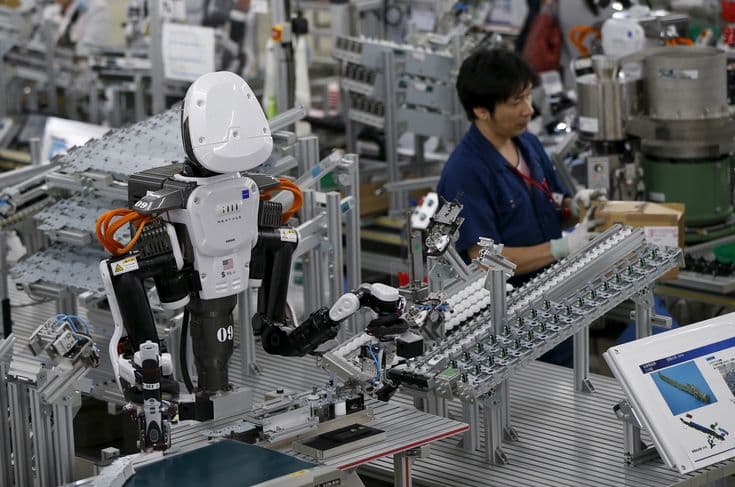
Humanoid Robots and Automation Systems Transforming Factories, Warehouses, and Logistics
Humanoid robots and automation systems are increasingly being used in factories, warehouses, and logistics operations to handle repetitive and labor-intensive work. These advanced machines are designed to mimic human movements and perform tasks with high precision, speed, and consistency. As industries aim to improve productivity and reduce operational costs, robotics technology is becoming a central component of modern manufacturing and supply chain management.
Automation technologies powered by artificial intelligence, sensors, and machine learning allow robots to carry out complex tasks such as assembly, sorting, packaging, and transportation of goods. Companies around the world are investing heavily in robotics to improve efficiency, reduce workplace injuries, and address labor shortages.

Understanding Humanoid Robots
Humanoid robots are robots designed to resemble human body structures and movements. They typically include arms, legs, sensors, cameras, and advanced processors that enable them to interact with their environment. Unlike traditional industrial robots that are fixed in one location, humanoid robots are more flexible and can perform a wide variety of tasks.
These robots can walk, pick up objects, operate machinery, and assist workers in different environments. Their design makes them especially useful in workplaces where human-like interaction and mobility are required.
- Human-like movement and flexibility
- Advanced sensors and cameras
- AI-powered decision making
- Ability to collaborate with humans
Adaptability in different work environments
In factories, humanoid robots are often used to handle repetitive and physically demanding work. Tasks such as assembling parts, moving materials, packaging products, and inspecting items can be performed by robots with high accuracy. Since robots do not get tired, they can work continuously for long hours without breaks. This significantly increases production efficiency and reduces the risk of human errors.
Automation systems also play a major role in manufacturing. Automation refers to the use of machines, software, and technology to perform tasks automatically with minimal human intervention. Automated systems can control production lines, monitor machines, and manage inventory. This improves the overall speed and efficiency of industrial operations.
Warehouses are another area where humanoid robots and automation systems are widely used. Large companies rely on automated robots to organize and transport goods within warehouses. These robots can scan barcodes, identify items using sensors, and move packages to the correct location. By automating these tasks, companies can reduce manual labor and speed up order processing.
For example, companies like Amazon use advanced robotic systems in their warehouses to manage large volumes of products. Robots help in sorting, packing, and transporting items, making it possible to deliver products to customers quickly and efficiently.
In the logistics industry, robots and automated systems help in handling shipping and transportation tasks. They can load and unload goods, sort parcels, and prepare packages for delivery. This is especially useful in large distribution centers where thousands of packages need to be processed every day.
Another advantage of humanoid robots is workplace safety. Many industrial tasks involve heavy lifting, repetitive movements, or dangerous environments. Robots can perform these tasks instead of humans, reducing the risk of injuries and accidents.
However, the adoption of humanoid robots also presents certain challenges. The technology is still expensive, and companies need to invest significant resources to implement robotic systems. Additionally, robots require regular maintenance and software updates to operate effectively.
There are also concerns about job displacement, as automation may reduce the need for certain types of manual labor. However, many experts believe that robots will mainly assist workers rather than replace them completely. Humans will still be needed to supervise systems, manage operations, and handle complex decision-making tasks.
Looking toward the future, humanoid robots and automation systems are expected to become more intelligent and affordable. Advances in Artificial Intelligence and machine learning will enable robots to understand environments better, learn new skills, and work alongside humans more effectively.
Automation systems involve the use of machines, software, and technology to perform tasks with minimal human intervention. In manufacturing and logistics, automation helps streamline operations and improve efficiency.
Industrial robots, conveyor systems, automated guided vehicles (AGVs), and robotic arms are commonly used in modern facilities. These systems work together to transport materials, assemble products, and manage inventory with exceptional accuracy.

Applications of Humanoid Robots in Factories
Assembly Line Operations
Humanoid robots can perform repetitive assembly tasks such as fastening components, installing parts, and inspecting products for quality control. Their precision ensures consistent results across thousands of units.
Machine Operation
Robots can operate manufacturing equipment such as presses, welding machines, and cutting tools. This reduces the risk of injuries and allows factories to operate continuously.
Quality Inspection
Using advanced sensors and computer vision technology, robots can detect defects and ensure that products meet strict quality standards.
Automation in Warehouses and Logistics
Warehouses and logistics centers handle massive volumes of goods every day. Automation systems help manage these operations efficiently by reducing manual labor and increasing accuracy.
Automated Sorting Systems
Robots can sort packages based on size, destination, and priority. This speeds up order fulfillment and improves delivery efficiency.
Inventory Management
Autonomous robots equipped with sensors can scan shelves and track inventory levels in real time. This helps businesses maintain accurate stock records and avoid shortages.
Package Transportation
Automated guided vehicles (AGVs) and robotic carts move materiaHumanoid robots ls through warehouses without human assistance.
Benefits of Humanoid Robots and Automation
- Increased productivity and efficiency
- Reduced operational costs
- Improved workplace safety
- 24/7 continuous operation
- Higher accuracy and precision
- Reduced human error
By integrating robotics into operations, companies can significantly improve production speed and maintain consistent quality standards.
Challenges of Robotics and Automation
Despite their advantages, robotic systems also present certain challenges. Companies must invest heavily in equipment, training, and maintenance to implement automation successfully.
- High initial investment costs
- Need for skilled technicians
- Integration with existing systems
- Cybersecurity concerns
- Workforce adaptation and training
Future of Humanoid Robots in Industry
The future of robotics is rapidly evolving with advances in artificial intelligence, machine learning, and sensor technology. Next-generation humanoid robots will become more intelligent, capable of learning from experience and adapting to different tasks.
Experts predict that robots will increasingly collaborate with humans rather than replace them. Human workers will focus on complex decision-making and creative tasks while robots handle repetitive and physically demanding work.
Frequently Asked Questions (FAQs)
What are humanoid robots?
Humanoid robots are robots designed to resemble the human body and perform tasks similar to human workers using advanced sensors, motors, and artificial intelligence.
Why are robots used in factories?
Robots are used in factories to improve productivity, maintain consistent quality, reduce labor costs, and perform dangerous or repetitive tasks safely.
How do robots help in warehouses?
Robots assist with sorting packages, transporting goods, tracking inventory, and speeding up order fulfillment processes.
Will robots replace human workers?
Robots are more likely to assist humans rather than completely replace them. They handle repetitive tasks while humans focus on supervision, problem solving, and creative work.
What technologies power modern robots?
Modern robots use artificial intelligence, machine learning, sensors, computer vision, and advanced processors to perform tasks efficiently.
Humanoid robots Conclusion
Humanoid robots and automation systems are transforming modern industries by improving efficiency, accuracy, and productivity. Factories, warehouses, and logistics centers are adopting robotics to handle repetitive work and optimize operations. These technologies help businesses meet increasing demand while maintaining high standards of quality and safety.
Although challenges such as cost and workforce adaptation remain, advancements in artificial intelligence and robotics are making automation more accessible and practical for businesses of all sizes. As technology continues to evolve, robots will become more intelligent, flexible, and capable of collaborating with humans.