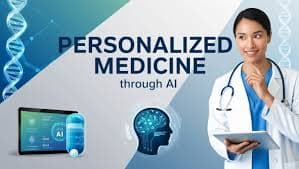
Hyper-Personalized "N-of-1" Medicine
Healthcare is undergoing a profound transformation, shifting from generalized treatments to highly individualized care. One of the most revolutionary advancements in this domain is hyper-personalized “N-of-1” medicine—a model where treatments are designed specifically for a single patient based on their unique genetic, biological, and environmental profile.
In 2026, advances in artificial intelligence, genomics, and biotechnology are enabling doctors and researchers to create therapies tailored to individual patients. This approach promises higher treatment effectiveness, fewer side effects, and a new era of precision healthcare.
Hyper-personalized medicine is redefining how we diagnose, treat, and prevent diseases.
What Is "N-of-1" Medicine?
"N-of-1" medicine refers to treatments designed for a single individual rather than a population group.
- Patient-specific therapies
- Customized drug formulations
- Individualized treatment plans
- Data-driven healthcare decisions
It focuses on the individual rather than averages.

Why Traditional Medicine Falls Short
- Treatments based on population averages
- Variable patient responses
- Higher risk of side effects
- Limited effectiveness for rare conditions
Personalization addresses these gaps.
Key Technologies Enabling N-of-1 Medicine
- Genomics and DNA sequencing
- Artificial Intelligence (AI)
- Biotechnology and gene editing
- Wearable health devices
These technologies drive innovation.
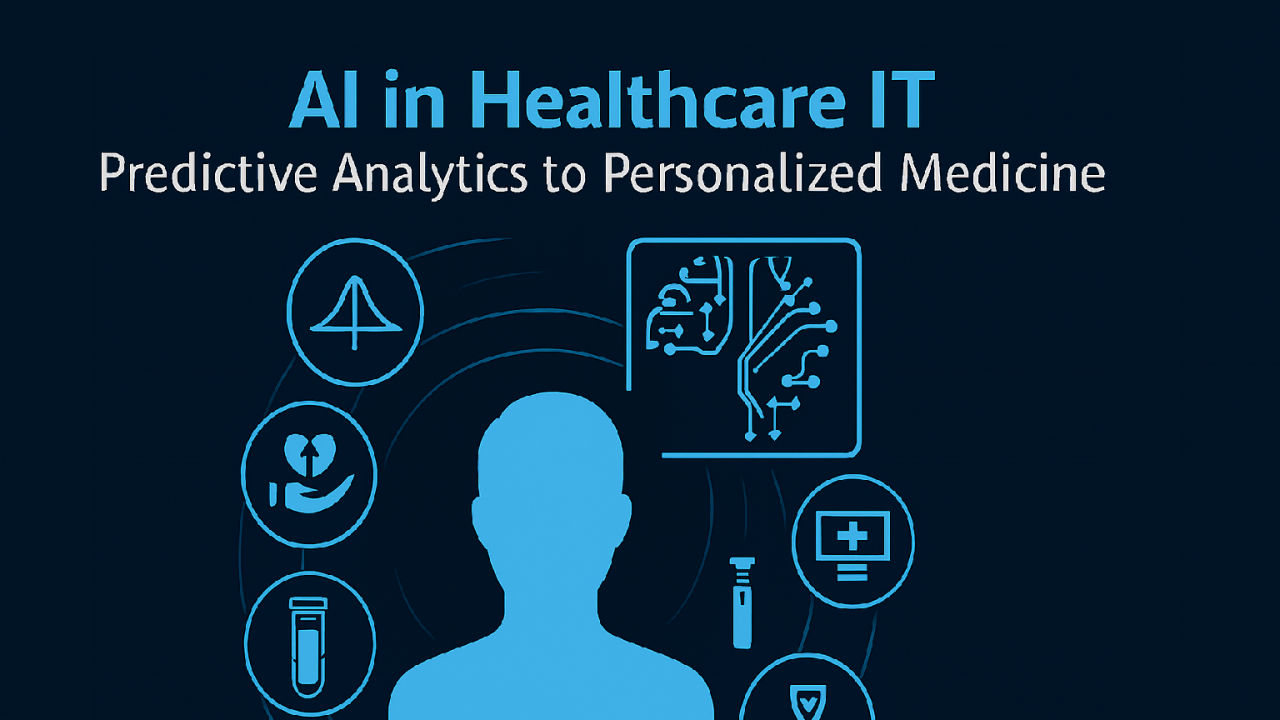
How Hyper-Personalized Medicine Works
The process involves multiple steps.
- Collect patient-specific data
- Analyze genetic and biological information
- Design customized treatment
- Monitor and adjust therapy in real-time
This ensures optimal outcomes.
Applications of N-of-1 Medicine
This approach is transforming healthcare.
- Rare disease treatment
- Cancer therapy
- Chronic disease management
- Preventive healthcare
Its impact is significant.
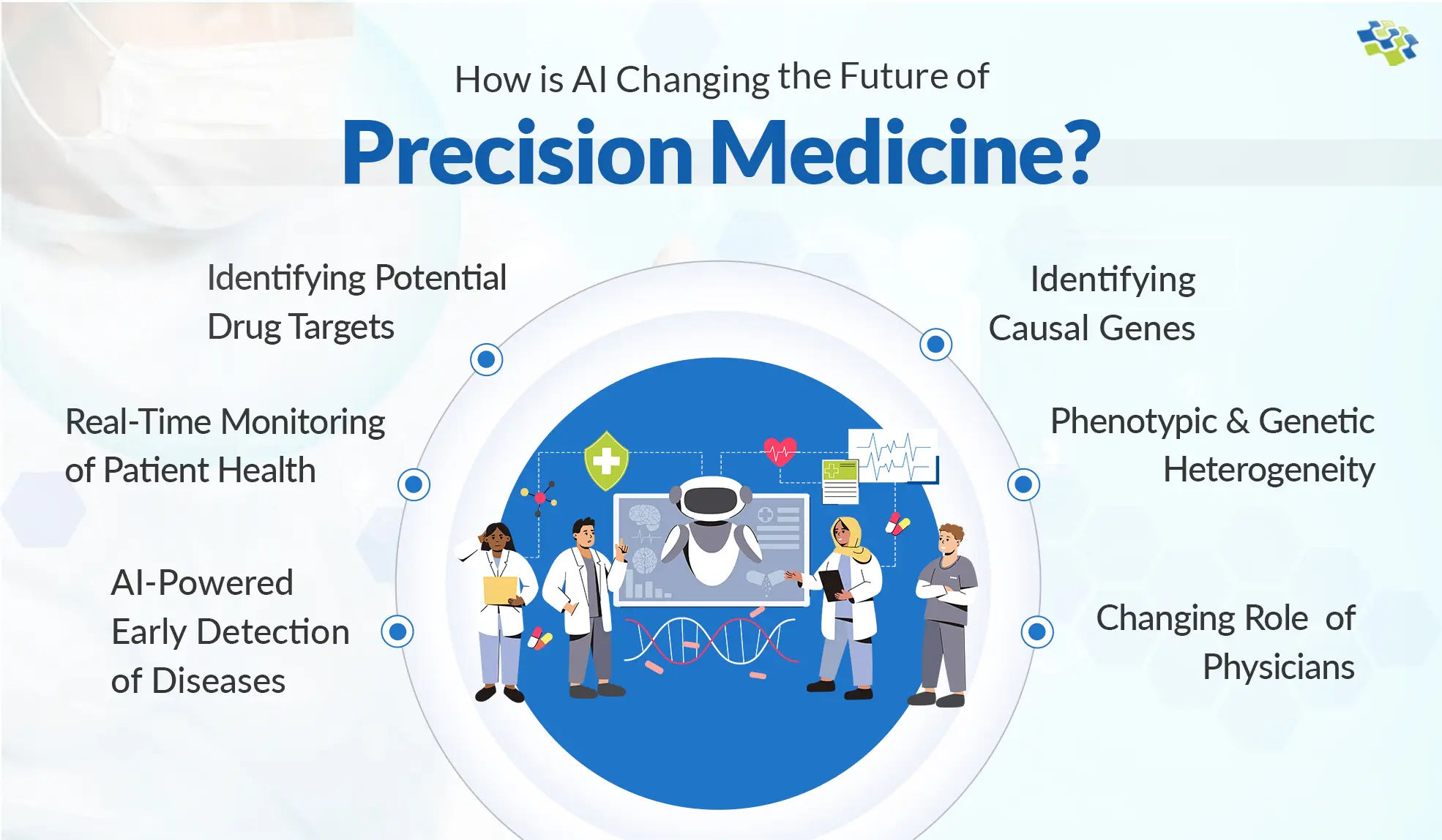
Benefits of Hyper-Personalized Medicine
- Higher treatment effectiveness
- Reduced side effects
- Faster recovery
- Improved patient outcomes
These benefits drive adoption.
Challenges and Limitations
- High costs
- Data privacy concerns
- Complex implementation
- Limited accessibility
These challenges must be addressed.
"N-of-1" medicine represents the ultimate goal of healthcare—treating each patient as a unique individual rather than a statistical average.
N-of-1 Medicine vs Traditional Medicine
- Traditional → One-size-fits-all
- N-of-1 → Individualized care
- Traditional → Reactive treatment
- N-of-1 → Proactive and predictive care
This shift is transformative.
Future of Personalized Healthcare
The future of healthcare is highly personalized.
- AI-driven diagnostics
- Real-time health monitoring
- Customized drug development
- Integration with wearable technology
It will redefine medicine.
Role in Healthcare Innovation
Hyper-personalized medicine plays a key role in innovation.
- Improves treatment precision
- Enhances patient care
- Reduces healthcare costs in the long term
It is shaping the future of healthcare.
Frequently Asked Questions
What is N-of-1 medicine?
It is treatment designed for a single patient.
Why is it important?
It improves treatment effectiveness.
Where is it used?
Cancer, rare diseases, and personalized healthcare.
Conclusion
Hyper-personalized “N-of-1” medicine represents a groundbreaking shift in healthcare, moving from generalized treatments to individualized care. By leveraging advanced technologies such as AI, genomics, and biotechnology, it enables more precise, effective, and patient-centered treatments. As this approach continues to evolve, it will play a central role in shaping the future of medicine and improving global healthcare outcomes.