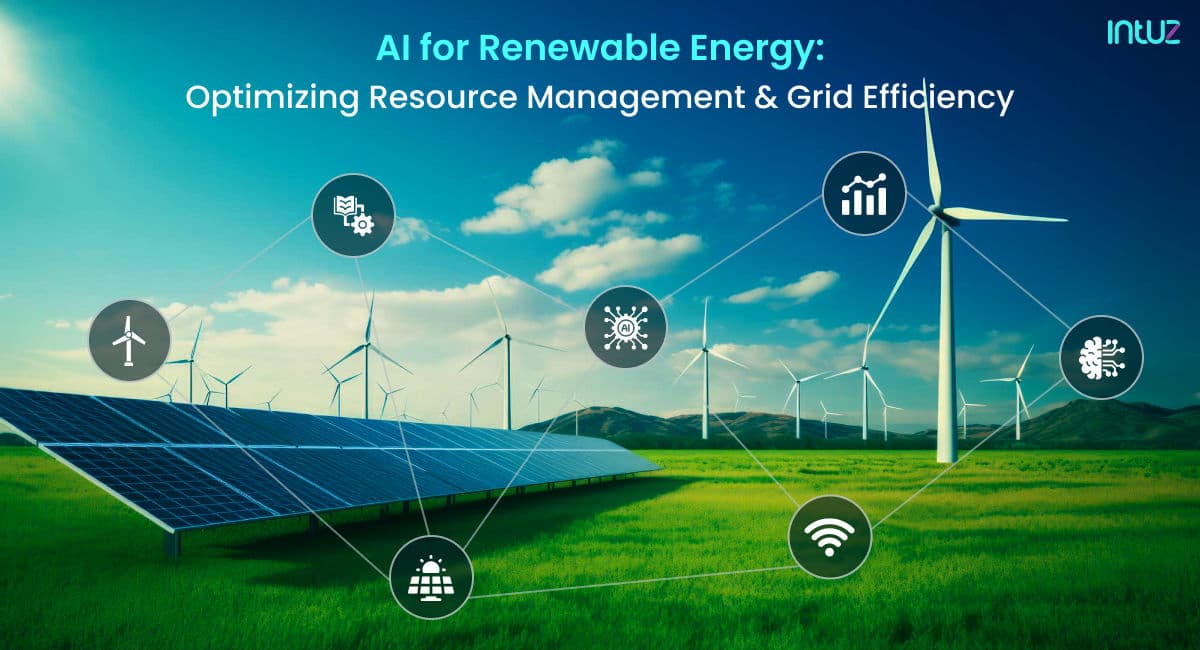
Hyperscale AI Energy Cross-Management (GreenOps 2.0)
The rapid expansion of artificial intelligence is reshaping the global energy landscape. Training frontier AI models, operating hyperscale data centers, supporting AI inference workloads, and powering next-generation cloud infrastructure require unprecedented amounts of electricity. As AI adoption accelerates, energy efficiency is becoming a strategic priority rather than merely an operational concern.
To address this challenge, organizations are developing a new operational paradigm known as Hyperscale AI Energy Cross-Management, often referred to as GreenOps 2.0. This approach combines artificial intelligence, energy analytics, carbon optimization, cloud orchestration, and real-time infrastructure management to dynamically balance performance, cost, sustainability, and grid stability.
GreenOps 2.0 represents the evolution of sustainability operations from simple reporting and efficiency tracking to autonomous energy optimization across entire AI ecosystems.
As AI infrastructure continues to scale, GreenOps 2.0 may become one of the most critical operational disciplines of the digital economy.
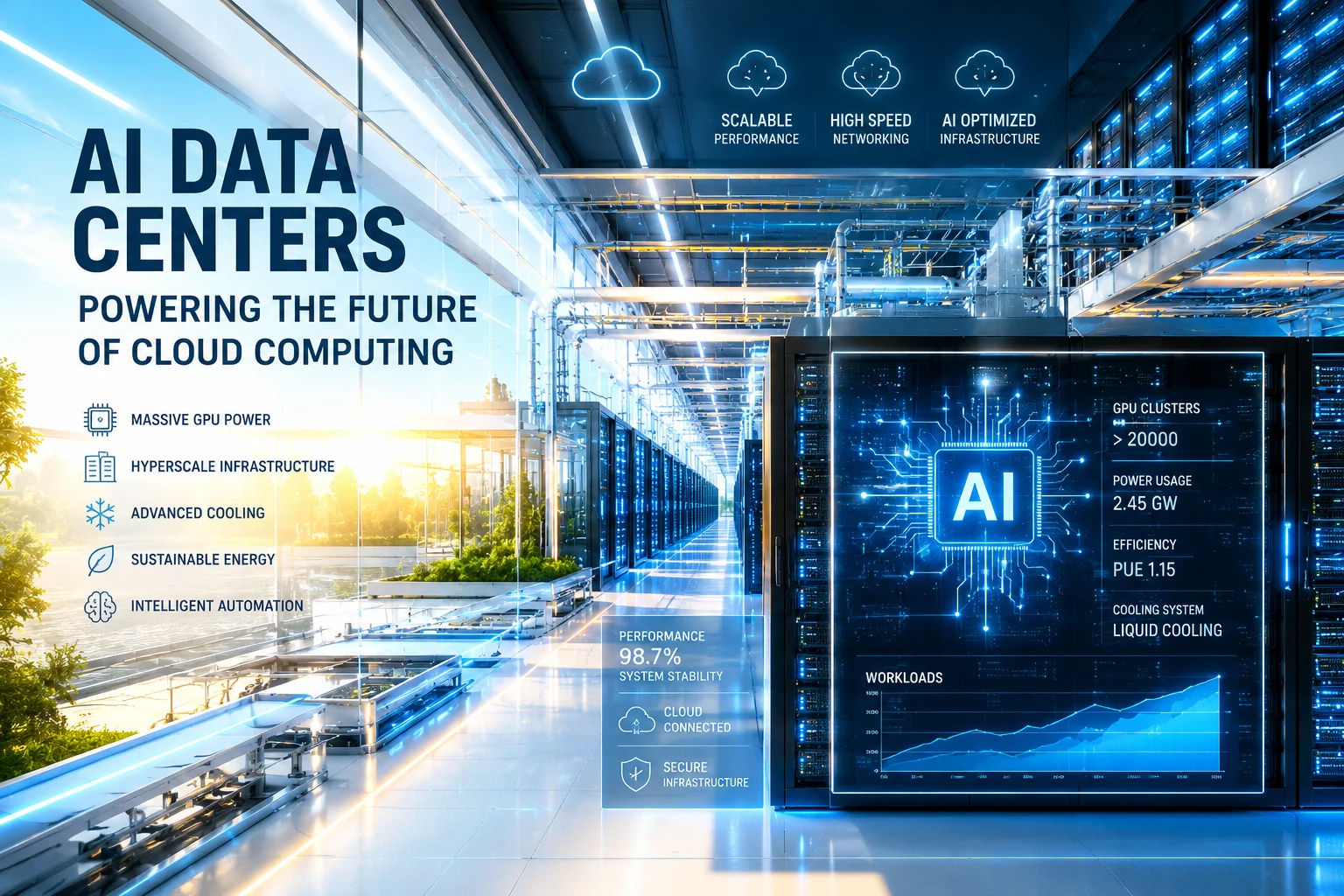
What Is Hyperscale AI Energy Cross-Management?
Hyperscale AI Energy Cross-Management is a framework that continuously optimizes energy consumption across AI infrastructure, cloud platforms, data centers, and distributed compute resources.
The objective is to coordinate:
- AI workloads
- Power availability
- Renewable energy sources
- Grid conditions
- Carbon intensity levels
- Infrastructure utilization
Rather than managing energy and computing separately, GreenOps 2.0 treats them as interconnected systems.
Why AI Is Creating an Energy Challenge
Modern AI systems require enormous computational resources.
- Large language model training
- AI inference workloads
- Generative AI services
- AI-powered search systems
- Digital twins
- Autonomous agent platforms
As model complexity grows, electricity demand can increase significantly across hyperscale infrastructure.
What Is GreenOps 2.0?
GreenOps 2.0 extends traditional sustainability operations by introducing real-time optimization and autonomous decision-making.
Key principles include:
- Carbon-aware computing
- Energy-aware workload scheduling
- Dynamic infrastructure allocation
- Renewable energy integration
- AI-driven efficiency optimization
- Continuous sustainability monitoring
Energy management becomes a core operational capability.
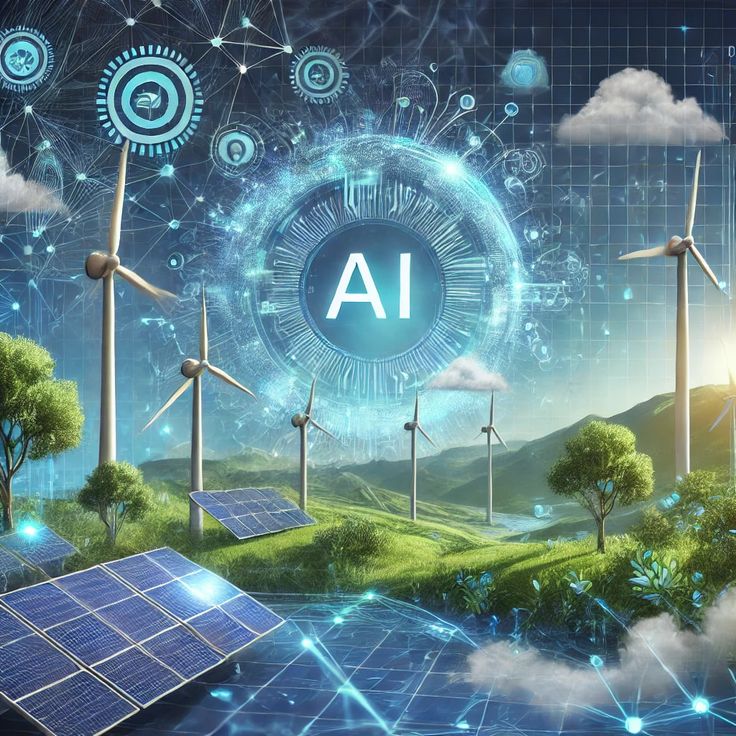
How Energy Cross-Management Works
GreenOps platforms continuously monitor infrastructure and energy ecosystems.
Typical workflow:
- AI workloads are analyzed.
- Energy prices are monitored.
- Grid carbon intensity is measured.
- Renewable energy availability is assessed.
- Workloads are dynamically shifted.
- Performance and sustainability goals are balanced.
The system continuously optimizes energy consumption in real time.
Core Technologies Behind GreenOps 2.0
- Artificial Intelligence Operations (AIOps)
- Digital Twin Platforms
- Smart Grid Integration
- Carbon Analytics Systems
- Cloud Orchestration Engines
- Predictive Energy Forecasting
- Autonomous Infrastructure Management
These technologies enable coordinated optimization across computing and energy systems.
Role of Renewable Energy
Renewable energy is becoming increasingly important for AI infrastructure.
- Solar power integration
- Wind energy utilization
- Battery storage systems
- Microgrid deployments
- Virtual power plants
- Grid-balancing services
GreenOps 2.0 seeks to align computing demand with renewable energy availability.
The future of AI infrastructure will be measured not only by computational performance, but also by how intelligently it consumes energy.
Benefits of Hyperscale AI Energy Cross-Management
- Lower operational costs
- Reduced carbon emissions
- Improved energy efficiency
- Enhanced grid resilience
- Better infrastructure utilization
- Support for sustainability goals
- Increased AI scalability
Organizations can improve both economic and environmental performance simultaneously.

Traditional Energy Management vs GreenOps 2.0
| Traditional Energy Management | GreenOps 2.0 |
|---|---|
| Static monitoring | Real-time optimization |
| Reactive management | Predictive management |
| Energy-focused | Energy + AI workload focused |
| Manual decision-making | AI-assisted orchestration |
Challenges and Risks
- Infrastructure complexity
- Data integration challenges
- Grid dependency risks
- Renewable energy variability
- Cybersecurity concerns
- Operational governance requirements
Successful implementation requires coordination across energy, cloud, and AI operations teams.
Future Outlook
The next decade may see the emergence of fully autonomous energy-aware computing ecosystems.
- Carbon-aware AI scheduling
- Autonomous energy trading
- Self-optimizing hyperscale campuses
- AI-native smart grids
- Global renewable-compute marketplaces
Future AI systems may automatically determine where and when computation should occur based on sustainability and performance objectives.
Economic and Strategic Implications
Hyperscale AI Energy Cross-Management could become a defining competitive advantage in the AI economy.
- Reduced infrastructure costs
- Improved sustainability performance
- Enhanced regulatory compliance
- Greater energy resilience
- Support for large-scale AI growth
Organizations that successfully integrate AI operations with intelligent energy management may gain significant advantages as global compute demand continues to accelerate.
Frequently Asked Questions
What is GreenOps 2.0?
GreenOps 2.0 is an advanced operational framework that uses AI, automation, and energy analytics to optimize sustainability and energy consumption across digital infrastructure.
Why is AI creating energy challenges?
Training and operating advanced AI systems require enormous computational resources, which significantly increase electricity consumption.
How does Energy Cross-Management help?
It dynamically aligns computing workloads, energy availability, carbon intensity, and infrastructure utilization to improve efficiency and sustainability.
Conclusion
Hyperscale AI Energy Cross-Management (GreenOps 2.0) represents the next evolution of sustainable digital operations. By integrating artificial intelligence, renewable energy systems, cloud orchestration, and real-time optimization, organizations can create infrastructure that is both highly performant and environmentally responsible. As AI becomes one of the largest drivers of global compute demand, GreenOps 2.0 may emerge as a critical framework for balancing innovation, economics, and sustainability in the digital age.