Intent-Driven Development (IDD)
The world of software development is evolving rapidly, moving beyond traditional coding paradigms toward more intelligent and automated approaches. One of the most promising emerging concepts in this space is Intent-Driven Development (IDD)—a methodology where developers focus on defining what they want to achieve, and AI systems handle how it is implemented.
In 2026, with the rise of AI-powered coding assistants and autonomous agents, IDD is transforming how software is built. It reduces the complexity of coding, accelerates development cycles, and enables developers to focus on problem-solving rather than syntax.
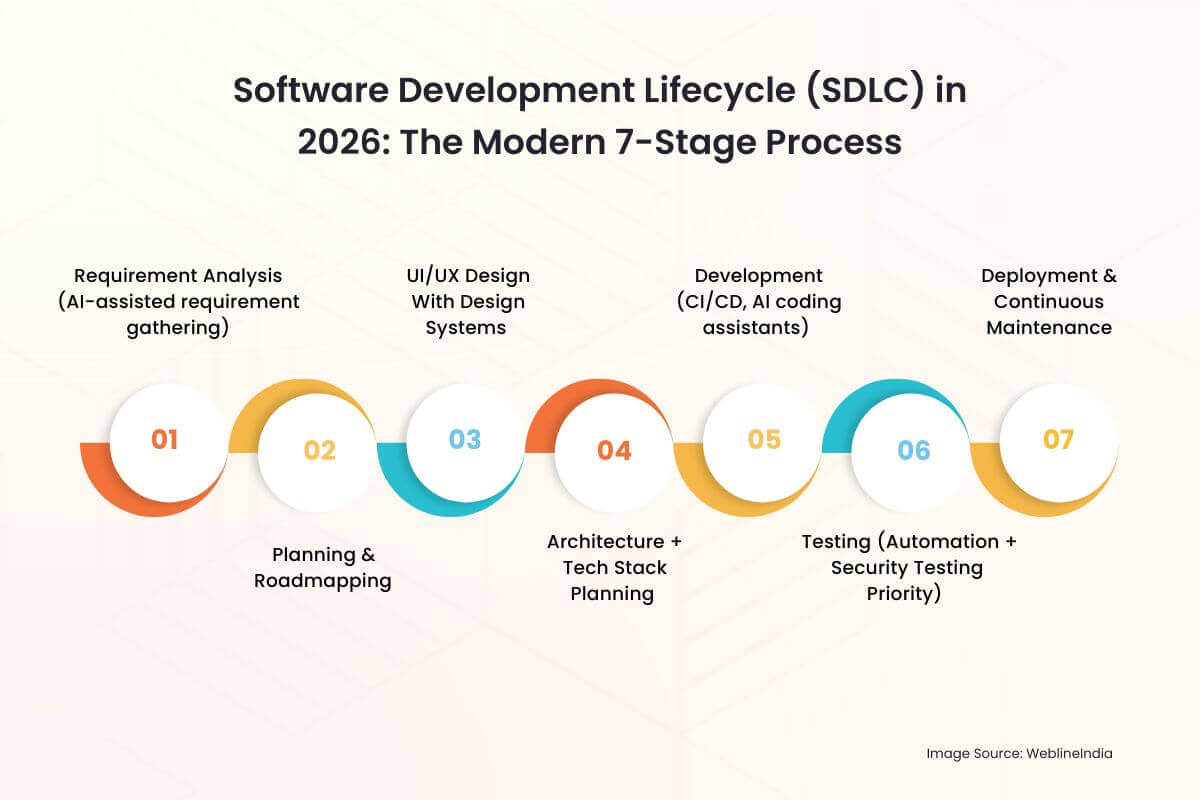
This shift represents a fundamental change in the software development lifecycle.
What Is Intent-Driven Development?
Intent-Driven Development is a software development approach where developers specify desired outcomes instead of writing detailed code.
- Define high-level intent
- AI interprets requirements
- Automated code generation
- Continuous optimization
It shifts focus from coding to intent.
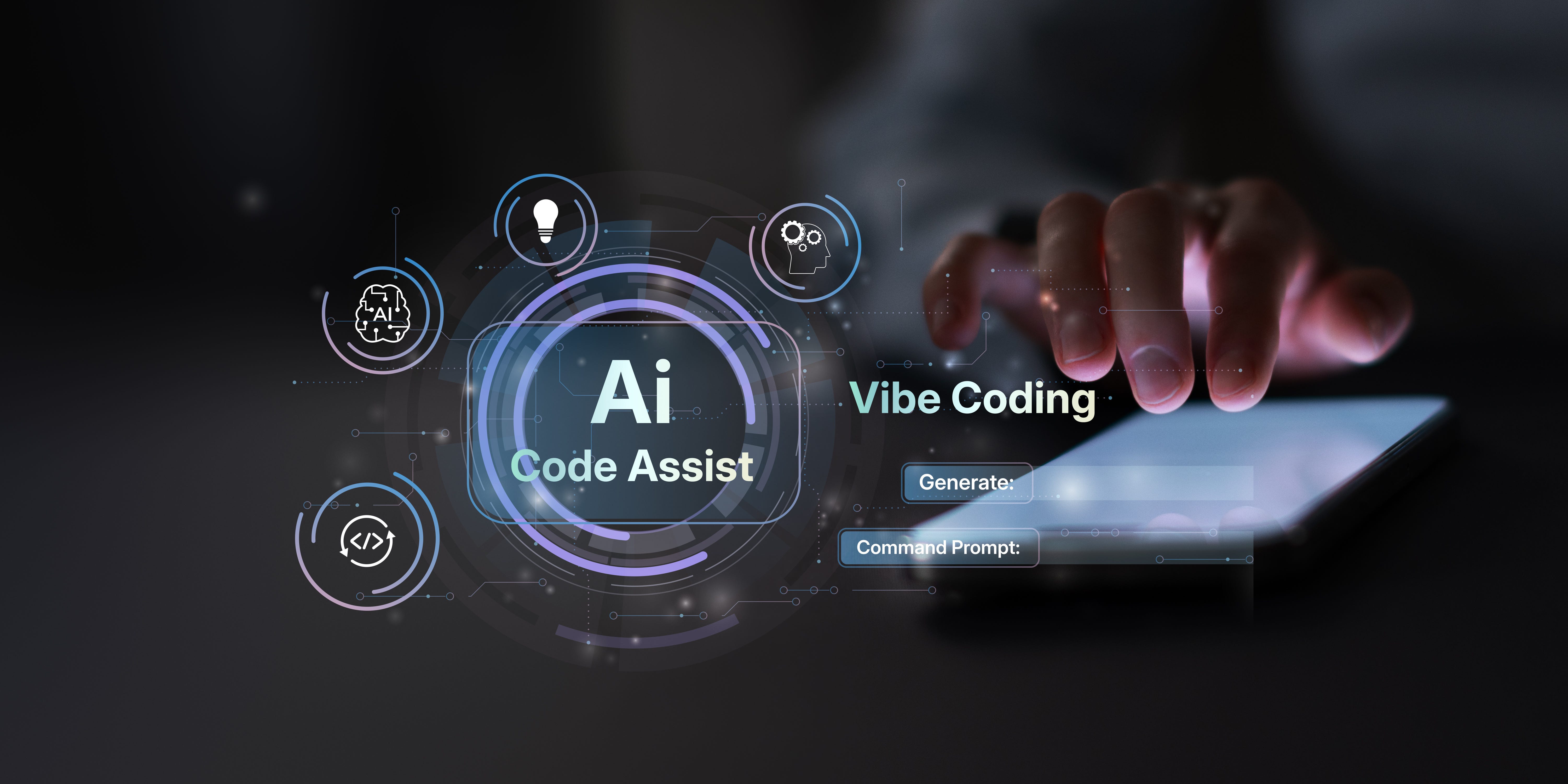
Why IDD Is Important
- Reduces coding complexity
- Accelerates development speed
- Improves productivity
- Enables non-developers to build software
It democratizes software development.
How Intent-Driven Development Works
IDD integrates AI into the development process.
- Developers define requirements
- AI models interpret intent
- Code is generated automatically
- System continuously refines output
This enables intelligent automation.
Key Technologies Behind IDD
- Large Language Models (LLMs)
- AI coding assistants
- Natural Language Processing (NLP)
- Automation frameworks
These technologies enable IDD.
Applications of IDD
Intent-driven development is transforming software creation.
- Web and mobile app development
- Enterprise software solutions
- Automation workflows
- AI system development
Its applications are expanding.
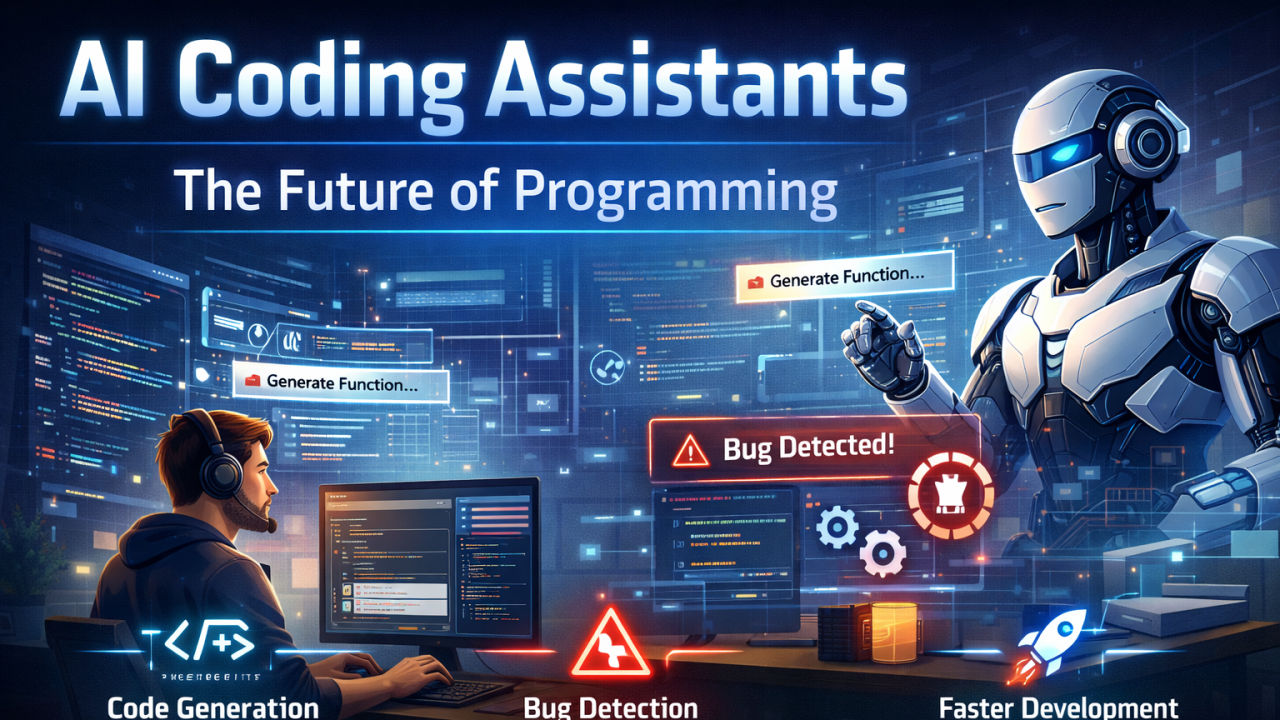
Benefits of Intent-Driven Development
- Faster development cycles
- Reduced errors
- Improved collaboration
- Scalable solutions
These benefits drive adoption.
Challenges and Limitations
- Dependence on AI accuracy
- Security concerns
- Limited control over generated code
- Learning curve for developers
These challenges must be addressed.
Intent-Driven Development marks a shift from writing code to expressing ideas—where developers focus on what to build, and AI determines how to build it.
IDD vs Traditional Development
- Traditional → Manual coding
- IDD → AI-driven automation
- Traditional → Time-consuming
- IDD → Faster development
This shift is transformative.
Future of Software Development
The future of development is intelligent and automated.
- AI-native development environments
- Autonomous coding systems
- Integration with agentic AI
- Low-code and no-code evolution
IDD will shape the future.
Role in Digital Transformation
Intent-driven development is a key driver of digital transformation.
- Accelerates innovation
- Improves efficiency
- Enables scalable solutions
It is essential for modern enterprises.
Frequently Asked Questions
What is IDD?
A development approach based on defining intent.
Why is it important?
It speeds up development and reduces complexity.
Where is it used?
Software development and automation.
Conclusion
Intent-Driven Development represents a transformative shift in software engineering, enabling developers to focus on high-level goals while AI handles implementation details. By reducing complexity and accelerating development, it is paving the way for a new era of intelligent software creation. As AI technologies continue to evolve, IDD will play a central role in shaping the future of development and innovation.