
Layer Zero Experiences
The digital economy is evolving beyond traditional interfaces toward highly immersive, invisible, and context-aware interaction systems. As artificial intelligence, spatial computing, biometric sensing, ambient intelligence, and real-time personalization converge, a new paradigm is emerging known as Layer Zero Experiences.
Layer Zero Experiences refer to ultra-seamless digital interactions that operate beneath conscious user friction. Instead of users actively navigating apps, menus, and workflows, intelligent systems anticipate needs, adapt environments, and deliver services proactively across physical and digital spaces.
In this model, the interface itself begins to disappear. The experience becomes ambient, predictive, personalized, and deeply integrated into human behavior and surrounding environments.
Layer Zero Experiences may become the foundational interaction model for the future of AI-native computing, spatial internet ecosystems, wearable technology, autonomous commerce, and intelligent environments.
What Are Layer Zero Experiences?
Layer Zero Experiences are deeply integrated digital interactions that minimize conscious interface engagement and reduce operational friction between humans and technology.
These experiences function through:
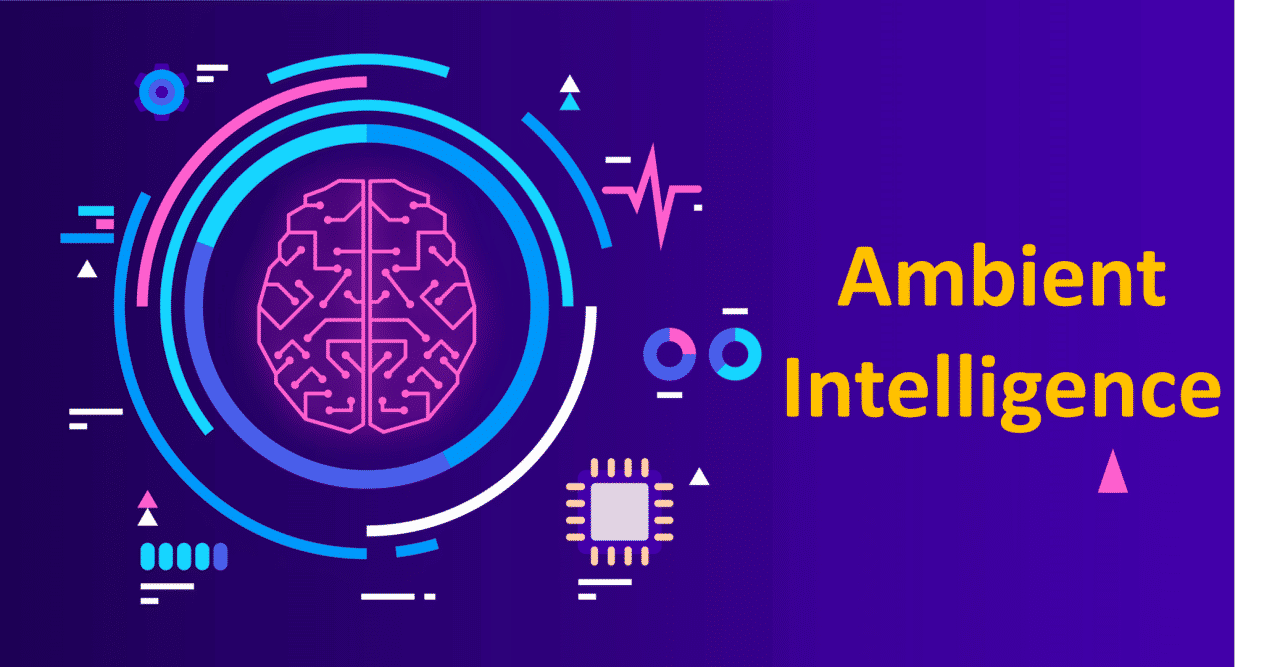
- Ambient intelligence
- Context-aware computing
- Predictive AI systems
- Biometric sensing
- Spatial computing
- Invisible interfaces
The goal is to create technology interactions that feel natural, intuitive, and nearly invisible.
Why Traditional Interfaces Are Evolving
Conventional digital interfaces require constant human attention and active navigation.
- Manual app switching
- Complex workflows
- Attention fragmentation
- High cognitive load
- Interface fatigue
- Reactive user experiences
As digital systems become more intelligent, users increasingly expect frictionless and proactive interactions.
Core Idea Behind Layer Zero
The concept of "Layer Zero" refers to the deepest interaction layer between humans and intelligent systems.
Rather than interacting with visible applications, users interact with:
- AI-driven environments
- Contextual intelligence
- Behavior-aware systems
- Predictive automation
- Spatial interfaces
- Embedded digital ecosystems
The interface becomes embedded into reality itself.
How Layer Zero Experiences Work
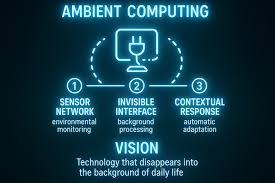
Layer Zero systems combine continuous sensing, AI reasoning, and real-time orchestration.
Typical workflow:
- Sensors collect environmental and behavioral data.
- AI systems analyze contextual signals.
- Predictive models anticipate user intent.
- Services are delivered proactively.
- Interfaces adapt dynamically.
- Feedback continuously improves personalization.
The result is a highly adaptive and seamless interaction ecosystem.
Key Technologies Behind Layer Zero Experiences
- Artificial Intelligence
- Spatial Computing
- Wearable Sensors
- Computer Vision
- Ambient IoT Systems
- Biometric Authentication
- Large Language Models
- Edge Computing
These technologies enable intelligent environments capable of contextual interaction.
Role of Artificial Intelligence
AI serves as the orchestration layer behind Layer Zero Experiences.
- Intent prediction
- Behavioral analysis
- Adaptive personalization
- Natural language interaction
- Emotional context interpretation
- Autonomous workflow execution
AI transforms static interfaces into living adaptive systems.
Layer Zero Experiences aim to eliminate the boundary between humans and digital systems by making technology feel invisible, predictive, and ambient.
Applications Across Industries
- Smart homes
- Autonomous retail
- Spatial computing platforms
- Healthcare monitoring systems
- AI-driven workplaces
- Connected vehicles
- Hospitality environments
- Wearable ecosystems
Layer Zero systems could become deeply integrated into daily human activity.
Traditional UX vs Layer Zero Experiences
| Traditional User Experience | Layer Zero Experience |
|---|---|
| Manual interaction | Predictive interaction |
| Visible interfaces | Invisible ambient systems |
| Reactive workflows | Proactive orchestration |
| App-centric computing | Environment-centric computing |
Role in Spatial Computing
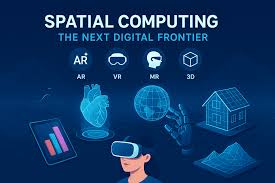
Layer Zero Experiences are closely connected to the rise of spatial computing ecosystems.
- AR interfaces
- Mixed reality environments
- Gesture-based interaction
- Contextual overlays
- Persistent digital environments
Future interfaces may increasingly exist within physical space rather than traditional screens.
Challenges and Risks
- Privacy concerns
- Behavioral surveillance risks
- Algorithmic manipulation
- Data security vulnerabilities
- Psychological dependency concerns
- Ethical governance complexity
Invisible computing systems require strong transparency and user-control frameworks.
Role of Biometrics and Context Awareness
Layer Zero systems increasingly rely on biometric and contextual signals.
- Eye tracking
- Voice analysis
- Movement recognition
- Emotional state detection
- Environmental awareness
These systems continuously adapt based on human behavior and surrounding conditions.
Future Outlook
The next decade may witness the emergence of fully ambient intelligent ecosystems.
- Invisible AI assistants
- AI-native environments
- Context-driven digital services
- Persistent spatial interfaces
- Autonomous interaction ecosystems
Human-computer interaction may increasingly evolve toward seamless environmental intelligence.
Economic and Strategic Implications
Layer Zero Experiences could significantly reshape digital commerce, computing, and consumer interaction models.
- Transformation of interface industries
- Expansion of ambient computing markets
- Growth of AI-native ecosystems
- Acceleration of spatial computing economies
- New behavioral-data business models
The companies that successfully build trusted ambient-intelligence ecosystems may dominate the next generation of digital infrastructure.
Frequently Asked Questions
What are Layer Zero Experiences?
They are highly seamless, AI-driven digital interactions that minimize conscious interface friction through ambient, predictive, and context-aware systems.
Why are Layer Zero Experiences important?
Because future digital systems increasingly aim to become proactive, personalized, and invisible rather than dependent on traditional app-based interaction models.
What technologies enable Layer Zero Experiences?
Artificial intelligence, spatial computing, biometric sensing, ambient IoT systems, computer vision, and predictive analytics.
Conclusion
Layer Zero Experiences represent the evolution of computing from visible interfaces toward ambient intelligent environments. By combining AI, spatial computing, biometric sensing, and predictive orchestration, future systems may deliver seamless interactions that feel increasingly natural and invisible. As technology moves closer to human behavior, context, and environment, Layer Zero Experiences could fundamentally reshape the future of digital interaction, commerce, communication, and intelligent living systems.