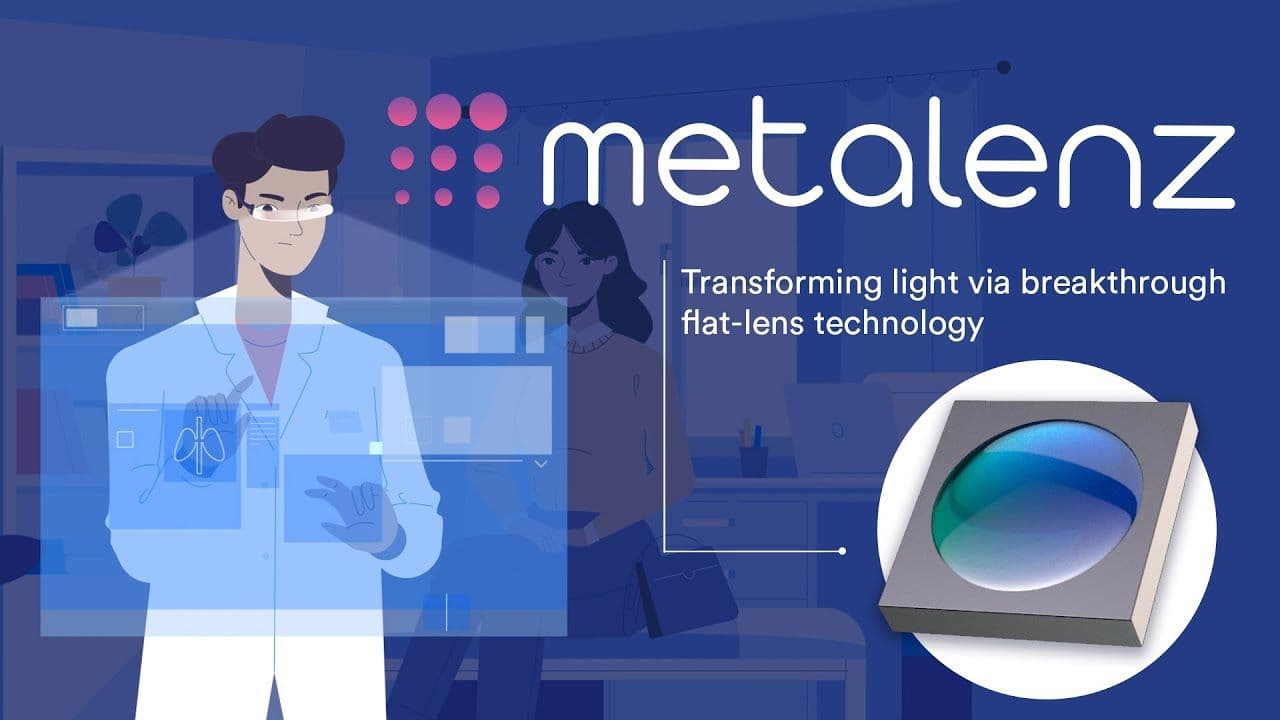
Metalenses (Flat Optics)
The field of optics is entering a revolutionary phase powered by nanotechnology, photonics, semiconductor fabrication, and advanced materials engineering. For centuries, traditional optical systems depended on curved glass or plastic lenses to bend, focus, and manipulate light. Cameras, microscopes, telescopes, smartphones, and medical imaging systems all rely on these bulky optical components.
Now, scientists are developing a radically different approach called Metalenses, also known as Flat Optics. Instead of relying on curved surfaces, metalenses manipulate light using nanoscale structures patterned onto ultra-thin flat surfaces known as metasurfaces.
By engineering light interactions at the nanometer scale, metalenses may dramatically reduce the size, weight, and complexity of optical systems while enabling entirely new capabilities in imaging, sensing, augmented reality, artificial intelligence vision systems, and photonic computing.
Metalenses could become one of the foundational technologies of next-generation optics and intelligent photonic infrastructure.
What Are Metalenses?
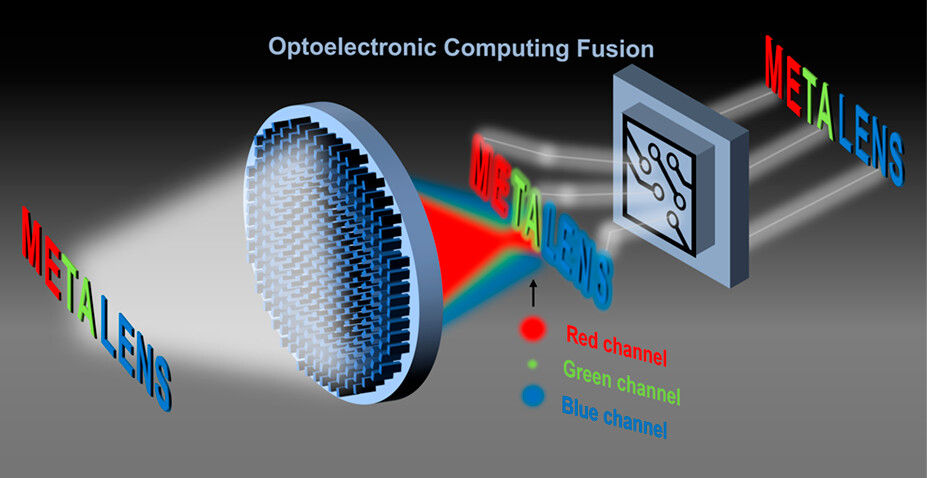
Metalenses are ultra-thin optical devices that control and focus light using engineered nanostructures rather than traditional curved optical materials.
These devices use specially designed metasurfaces composed of microscopic structures smaller than the wavelength of light.
The nanostructures manipulate:
- Light direction
- Phase shifting
- Polarization
- Wavefront shaping
- Optical focusing
- Spectral filtering
This enables highly compact and programmable optical functionality.
Why Traditional Lenses Have Limitations
Conventional optical systems depend on carefully shaped curved surfaces to bend light.
This creates multiple engineering challenges:
- Bulky physical designs
- Heavy optical assemblies
- Complex multi-lens stacking
- Chromatic aberration
- Alignment sensitivity
- Miniaturization limitations
As devices become thinner, smarter, and more mobile, traditional optics increasingly constrain hardware innovation.
How Metalenses Work
Metalenses manipulate light through nanoscale engineering rather than macroscopic curvature.
Typical process:
- Incoming light reaches the metasurface.
- Nanoscale structures interact with electromagnetic waves.
- Phase delays are precisely controlled.
- Wavefronts are reshaped at the surface level.
- Light is focused or redirected.
- Desired optical behavior is achieved.
The optical functionality is encoded directly into the nanostructure geometry.
What Are Metasurfaces?
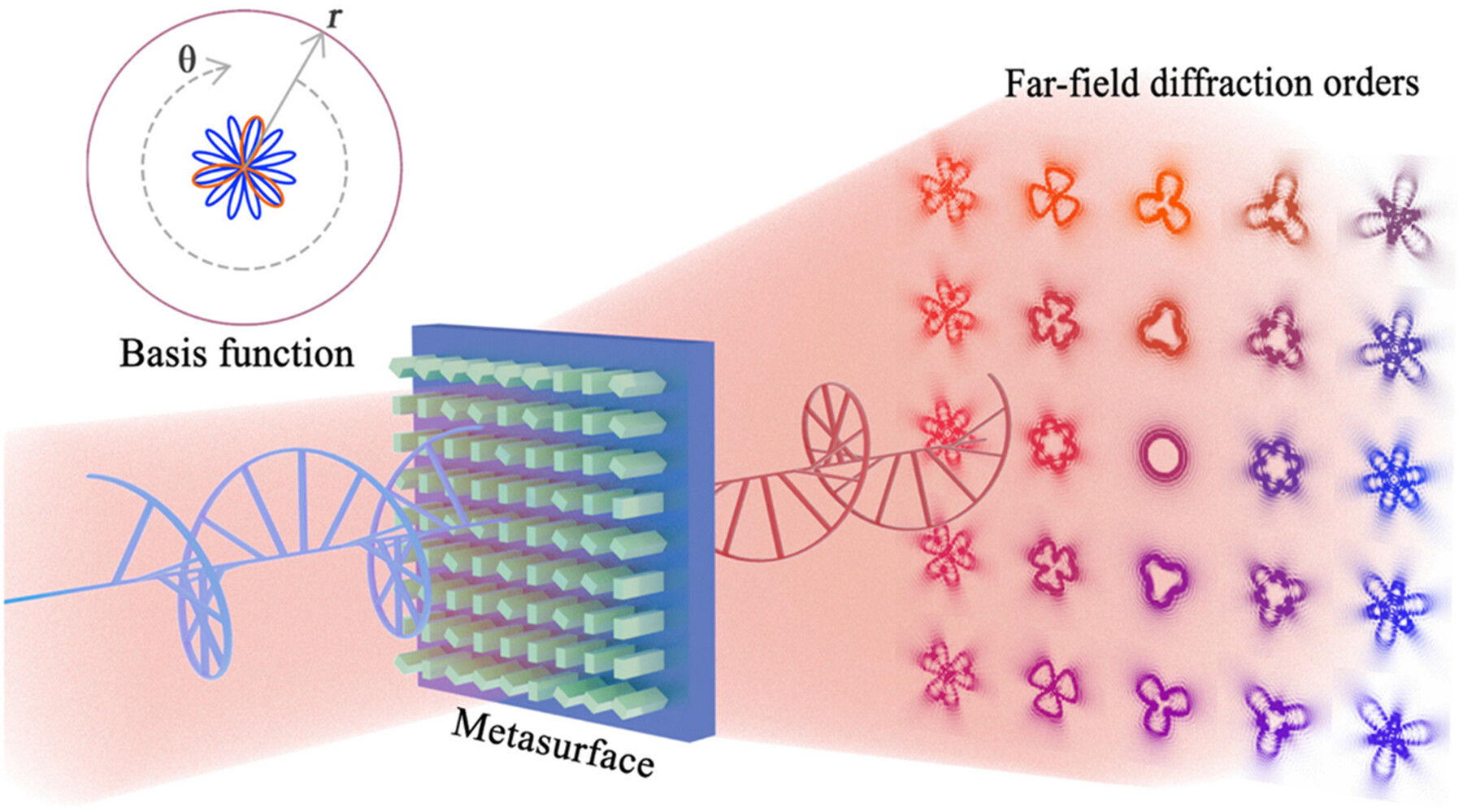
Metasurfaces are ultra-thin engineered layers containing nanoscale elements designed to manipulate electromagnetic waves.
Each nanostructure acts like a microscopic optical controller.
Metasurfaces can perform:
- Beam steering
- Optical focusing
- Holography
- Polarization control
- Color filtering
- Light scattering control
They form the technological foundation of flat optics.
Major Advantages of Metalenses
- Ultra-thin optical designs
- Reduced system weight
- Smaller imaging hardware
- Potential lower manufacturing complexity
- Integration with semiconductor fabrication
- Enhanced optical precision
- Programmable optical behavior
These capabilities may fundamentally reshape optical engineering.
Role in Consumer Electronics
Consumer electronics increasingly depend on advanced optical systems.
- Smartphone cameras
- AR/VR headsets
- Wearable devices
- Biometric authentication systems
- Compact imaging sensors
Metalenses may enable thinner, lighter, and more powerful devices.
Metalenses shift optics from mechanically shaping glass to engineering light directly at the nanoscale.
Applications Across Industries
- Augmented Reality (AR)
- Virtual Reality (VR)
- Autonomous vehicle sensors
- Medical imaging systems
- Satellite optics
- Quantum photonics
- Defense imaging systems
- Microscopy
Flat optics could become deeply integrated into future digital and industrial systems.
Traditional Optics vs Metalenses
| Traditional Optics | Metalenses |
|---|---|
| Curved glass or plastic lenses | Flat engineered metasurfaces |
| Bulky multi-lens systems | Ultra-thin optical layers |
| Mechanical light control | Nanostructure light manipulation |
| Complex optical alignment | Integrated optical functionality |
Role in Artificial Intelligence Vision Systems
AI-powered computer vision systems require increasingly compact and efficient optical hardware.
- Machine vision systems
- Autonomous robotics
- Edge AI sensors
- Intelligent surveillance
- Real-time object recognition
Metalenses may improve efficiency and miniaturization for AI vision infrastructure.
Role in AR and Spatial Computing
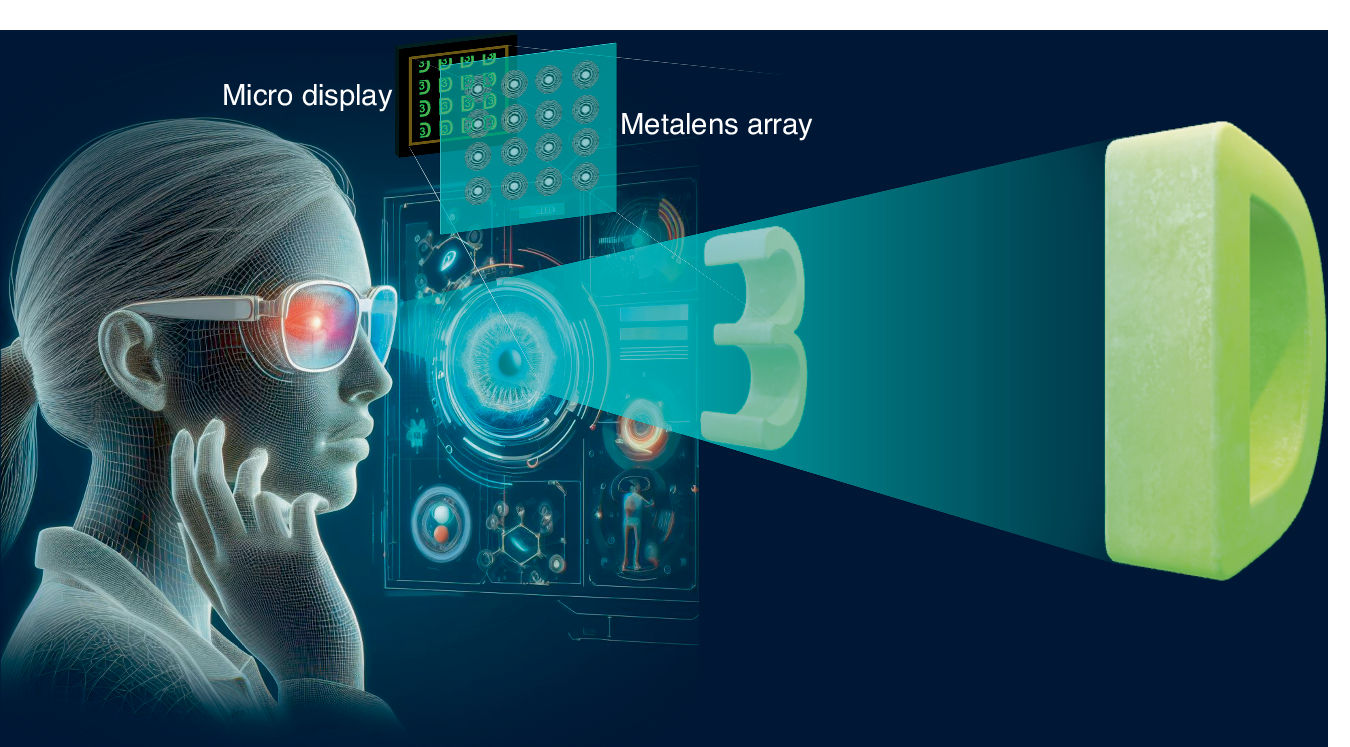
Spatial computing devices require lightweight and compact optical systems.
- Ultra-thin AR glasses
- Waveguide optics
- Mixed reality displays
- Immersive visual systems
- Lightweight wearable displays
Flat optics could become essential for mainstream wearable computing.
Challenges and Limitations
- Mass manufacturing complexity
- Efficiency optimization challenges
- Limited large-scale commercialization
- Broad-spectrum light control difficulties
- Durability concerns
- Nanofabrication costs
Although promising, many metalens systems are still in active research and early industrial deployment stages.
Role in Photonic Computing
Metalenses may also contribute to future optical computing systems.
- Photonic neural networks
- Optical data transmission
- Integrated photonic chips
- Quantum optical systems
- Light-based information processing
Future computing infrastructure may increasingly rely on advanced photonics.
Future Outlook
The coming decade may witness widespread adoption of flat-optics technologies.
- Invisible camera modules
- AI-native imaging hardware
- Advanced holographic displays
- Miniaturized medical diagnostics
- High-efficiency satellite optics
Optical systems may increasingly evolve from mechanical engineering into programmable nanophotonic engineering.
Economic and Strategic Implications
Metalenses could significantly reshape the future of imaging, photonics, and semiconductor-enabled optical infrastructure.
- Expansion of nanophotonics industries
- Transformation of consumer electronics
- Acceleration of AR/VR ecosystems
- Growth of AI vision markets
- Convergence of semiconductors and optics
The organizations and nations that lead in flat-optics manufacturing and metasurface engineering may gain major technological advantages in future computing and sensing ecosystems.
Frequently Asked Questions
What are Metalenses?
Metalenses are ultra-thin optical devices that manipulate light using engineered nanoscale structures instead of traditional curved lenses.
Why are Metalenses important?
Because they may enable smaller, lighter, more efficient optical systems for cameras, AR devices, AI sensors, and advanced photonic technologies.
What makes Metalenses different from traditional lenses?
Traditional lenses use curved surfaces to bend light, while metalenses use nanoscale metasurfaces to engineer light behavior directly at the microscopic level.
Conclusion
Metalenses (Flat Optics) represent one of the most important breakthroughs in modern optical engineering and nanophotonics. By replacing bulky curved optical systems with ultra-thin programmable metasurfaces, metalenses may fundamentally transform imaging systems, augmented reality, artificial intelligence vision hardware, and photonic computing infrastructure. As manufacturing capabilities and materials science continue advancing, flat optics could become a foundational technology powering the next generation of intelligent digital and photonic ecosystems.