Multiagent Systems
Multiagent Systems (MAS) are a branch of artificial intelligence where multiple autonomous agents interact within an environment to achieve individual or collective goals. These agents can be software-based or physical entities, and they operate independently while communicating and coordinating with each other.
As modern systems become more complex, multiagent systems provide scalable and efficient solutions for distributed problem-solving. From robotics to financial systems, MAS are increasingly used to model real-world interactions and optimize decision-making processes.
Understanding multiagent systems is essential for developers, researchers, and organizations working on advanced AI and distributed systems.
What Are Multiagent Systems?
Multiagent systems consist of multiple intelligent agents that interact and collaborate within an environment.
- Autonomous agents
- Distributed decision-making
- Communication and coordination
- Adaptive behavior
They enable complex problem-solving.

Characteristics of Multiagent Systems
- Autonomy: Agents act independently
- Social Ability: Agents communicate
- Reactivity: Respond to environment changes
- Proactiveness: Goal-oriented behavior
These characteristics define agent behavior.
Types of Agents
- Reactive agents
- Deliberative agents
- Hybrid agents
- Learning agents
Each type serves different purposes.
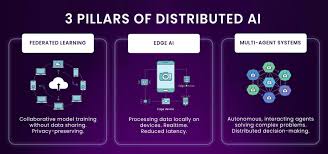
How Multiagent Systems Work
Multiagent systems operate through interaction and coordination among agents.
- Agents perceive the environment
- Make decisions based on rules or learning
- Communicate with other agents
- Act to achieve goals
This process enables intelligent collaboration.
Applications of Multiagent Systems
Multiagent systems are used in various domains.
- Robotics and autonomous systems
- Smart grids and energy management
- Financial markets and trading systems
- Traffic and transportation systems
- Gaming and simulations
Their applications are expanding rapidly.
Benefits of Multiagent Systems
- Scalability
- Flexibility
- Robustness
- Efficient problem-solving
These benefits make MAS highly effective.
Challenges in Multiagent Systems
- Coordination complexity
- Communication overhead
- Security concerns
- Conflict resolution
Proper design is required to address these challenges.
Multiagent systems demonstrate how intelligent collaboration among independent agents can solve complex problems more efficiently than isolated systems.
Multiagent Systems vs Single-Agent Systems
- Single-agent → Centralized decision-making
- Multiagent → Distributed decision-making
- Single-agent → Limited scalability
- Multiagent → Highly scalable
This comparison highlights their advantages.
Future of Multiagent Systems
The future of MAS is driven by advancements in AI and computing.
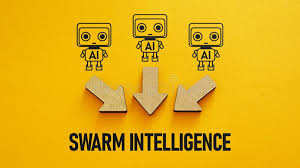
- Swarm intelligence systems
- AI-driven collaboration
- Autonomous networks
- Integration with IoT and edge computing
They will play a major role in future technologies.
Role in Digital Transformation
Multiagent systems are key enablers of digital transformation.
- Enhance automation
- Improve decision-making
- Enable intelligent systems
They are essential for modern AI applications.
Frequently Asked Questions
What is a multiagent system?
It is a system with multiple interacting intelligent agents.
Where is it used?
Robotics, finance, smart systems, and more.
Why is it important?
It enables distributed and scalable problem-solving.
Conclusion
Multiagent systems represent a powerful approach to solving complex problems through collaboration among intelligent agents. By enabling distributed decision-making, scalability, and adaptability, MAS are transforming industries and driving innovation. As AI technologies continue to evolve, multiagent systems will play a crucial role in shaping the future of intelligent and autonomous systems.