Multiagent Systems (MAS)
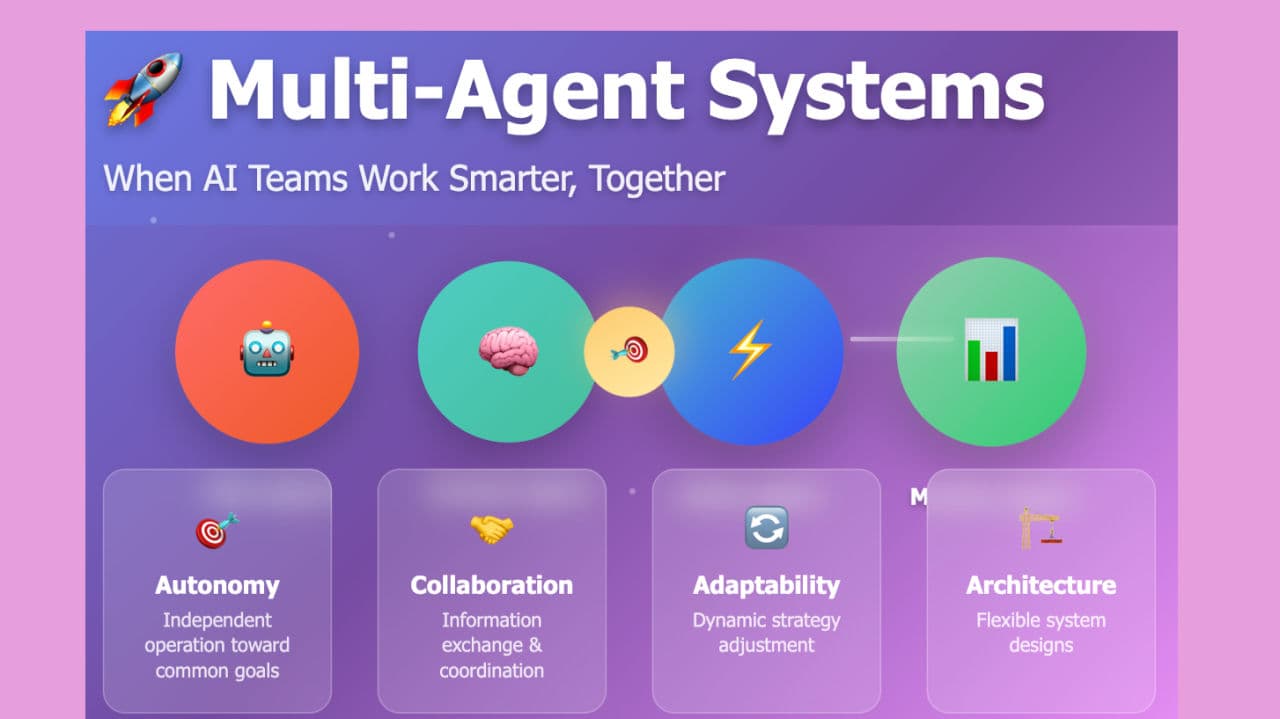
As artificial intelligence evolves beyond single-model applications, researchers and enterprises are increasingly adopting Multiagent Systems (MAS)—distributed networks of intelligent software agents that collaborate, communicate, negotiate, and coordinate to solve complex problems. Rather than relying on one centralized AI model, Multiagent Systems divide responsibilities among multiple specialized agents, enabling greater scalability, resilience, adaptability, and efficiency.
Inspired by human organizations, ant colonies, and distributed computing, MAS allows autonomous agents to work together while making independent decisions based on shared goals or local objectives. This collaborative intelligence is becoming a cornerstone of next-generation AI, autonomous robotics, smart cities, financial systems, supply chains, healthcare, and enterprise automation.
As Agentic AI continues to mature, Multiagent Systems are expected to become the operational backbone of autonomous digital ecosystems.
What Are Multiagent Systems?
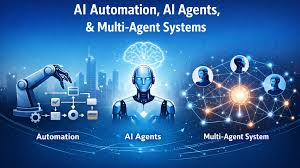
Multiagent Systems (MAS) are computing environments where multiple autonomous software agents interact with one another to achieve individual or shared objectives.
Each agent possesses specific capabilities such as:
- Decision-making
- Problem solving
- Planning
- Learning
- Communication
- Task execution
Together, these agents form an intelligent distributed system capable of handling problems that are too large or complex for a single AI model.
Why Multiagent Systems Are Emerging
Modern enterprises and digital ecosystems generate increasingly complex workflows requiring multiple areas of expertise.
- Large-scale enterprise operations
- Cloud-native applications
- Scientific simulations
- Financial markets
- Supply chain coordination
- Cybersecurity operations
- Autonomous robotics
A single AI model often struggles to efficiently manage these interconnected environments, making distributed intelligence more practical.
How Multiagent Systems Work
Each agent operates independently while communicating with other agents through defined protocols.
Typical workflow:
- A complex objective is assigned.
- The task is divided into smaller subtasks.
- Specialized agents receive responsibilities.
- Agents exchange information continuously.
- Decisions are coordinated.
- Final results are integrated into a complete solution.
This distributed approach improves efficiency and fault tolerance.
Core Components of Multiagent Systems
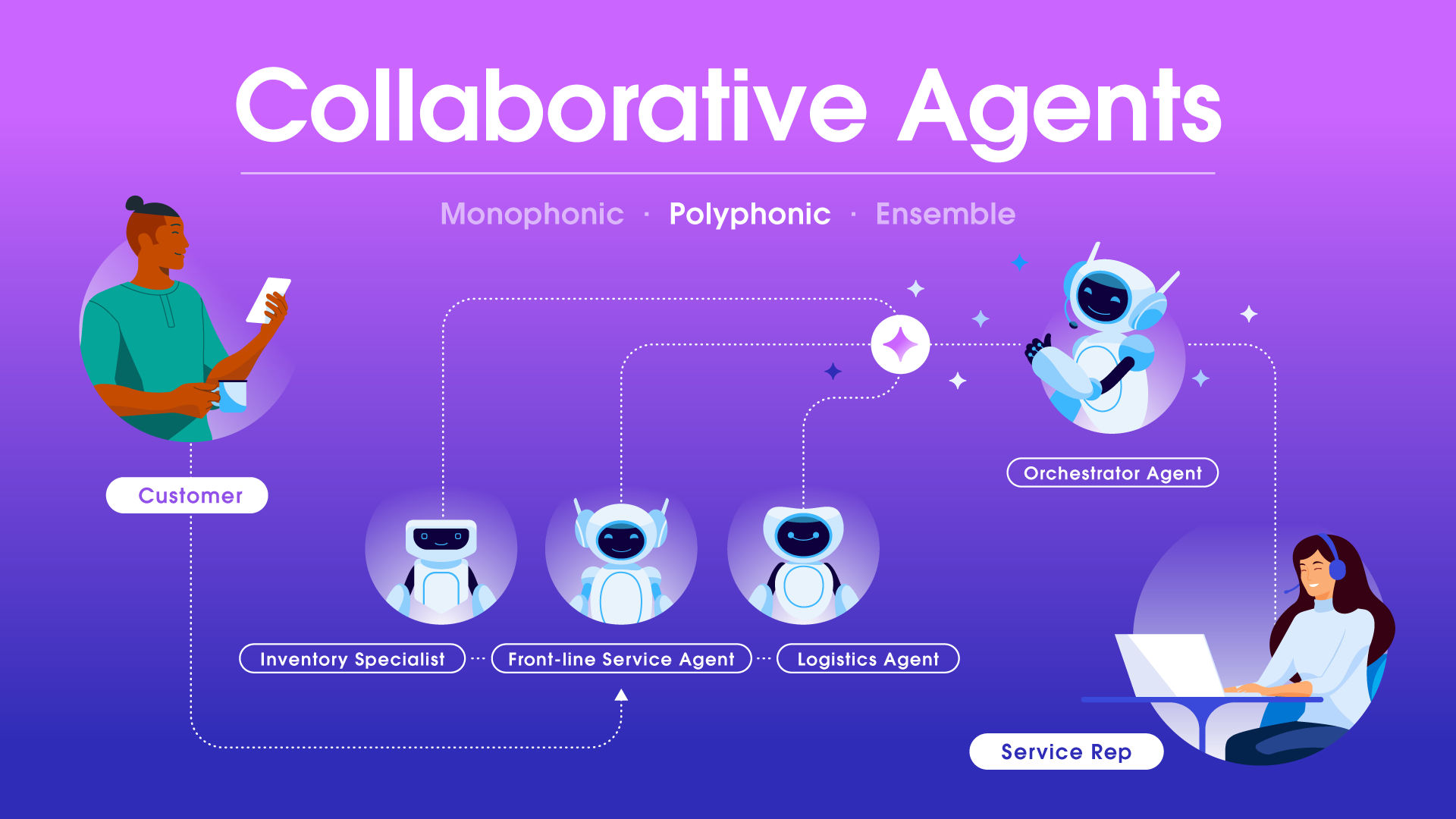
- Autonomous agents
- Communication protocols
- Shared knowledge bases
- Coordination mechanisms
- Decision engines
- Planning systems
- Learning algorithms
Together, these components enable intelligent collaboration across distributed environments.
Types of Multiagent Systems
- Cooperative Multiagent Systems
- Competitive Multiagent Systems
- Hybrid Multiagent Systems
- Hierarchical Multiagent Systems
- Swarm Intelligence Systems
Each architecture is designed for different coordination and decision-making scenarios.
Role of Artificial Intelligence
Artificial Intelligence enables each agent to operate autonomously while adapting to changing environments.
- Machine learning
- Natural language processing
- Reinforcement learning
- Knowledge reasoning
- Computer vision
- Predictive analytics
AI allows agents to continuously improve performance through experience.
Multiagent Systems transform artificial intelligence from isolated decision-making into coordinated collective intelligence.
Applications Across Industries
- Enterprise workflow automation
- Autonomous manufacturing
- Financial trading systems
- Supply chain optimization
- Healthcare coordination
- Smart cities
- Autonomous transportation
- Cybersecurity operations
MAS enables organizations to automate highly complex operations while maintaining flexibility.
Single-Agent AI vs Multiagent Systems
| Single-Agent AI | Multiagent Systems |
|---|---|
| One centralized model | Multiple autonomous agents |
| Limited specialization | Highly specialized agents |
| Centralized decision-making | Distributed decision-making |
| Lower scalability | Highly scalable architecture |
Benefits of Multiagent Systems
- Scalable intelligence
- Fault tolerance
- Parallel task execution
- Greater flexibility
- Specialized expertise
- Improved resource utilization
- Adaptive decision-making
These benefits make MAS particularly valuable for large-scale enterprise operations.
Challenges and Risks
- Agent coordination complexity
- Communication overhead
- Conflict resolution
- Security vulnerabilities
- Scalability management
- Governance challenges
Designing efficient coordination strategies remains one of the biggest research challenges.
Role in Agentic AI
Multiagent Systems are considered a foundational architecture for Agentic AI.
- Planning agents
- Research agents
- Coding agents
- Testing agents
- Monitoring agents
- Decision-making agents
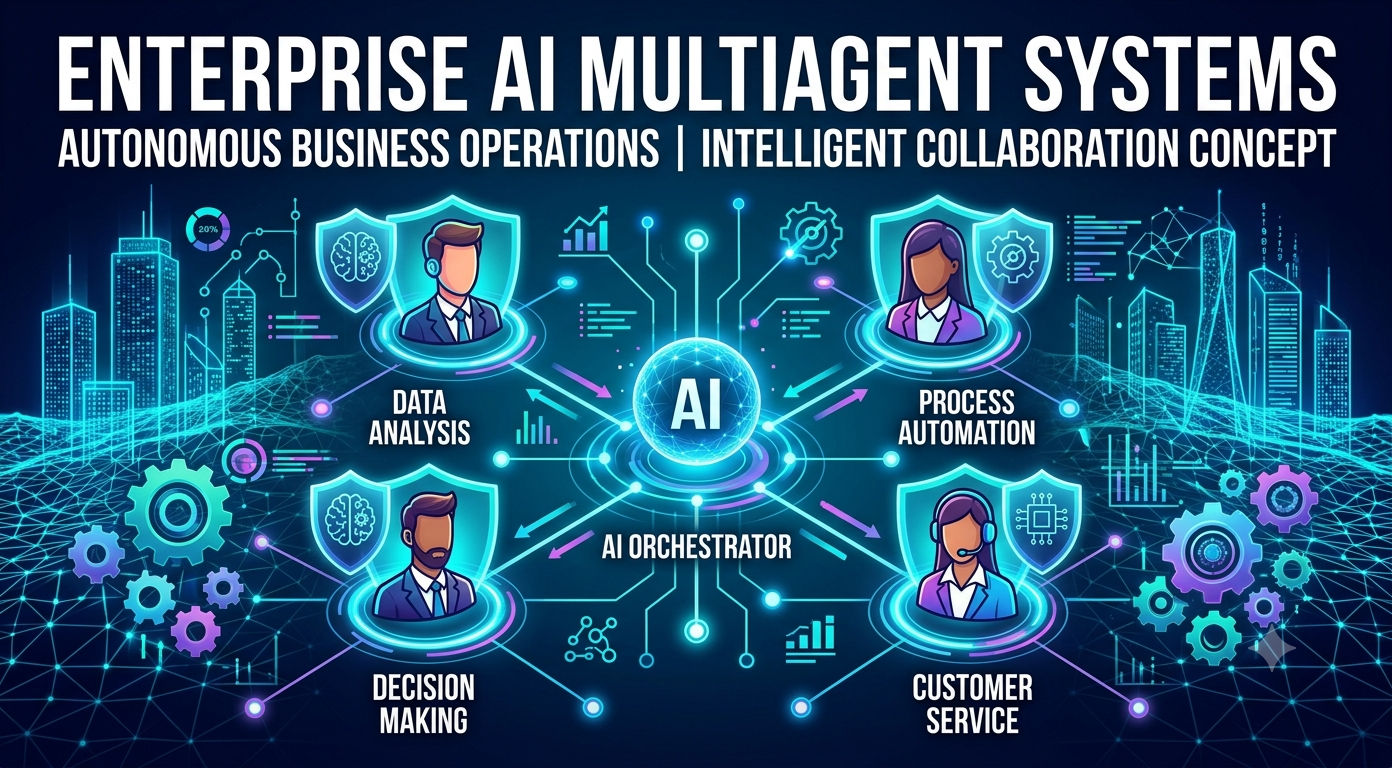
Together, these specialized agents can autonomously complete complex workflows with minimal human intervention.
Future Outlook
Future AI ecosystems are expected to rely heavily on networks of collaborating autonomous agents.
- AI-powered enterprises
- Autonomous digital workforces
- Self-managing supply chains
- Collaborative scientific research
- Smart industrial ecosystems
Rather than one super-intelligent AI, the future may consist of millions of specialized agents working together.
Economic and Strategic Implications
Multiagent Systems could significantly reshape enterprise software, automation, and digital infrastructure.
- Increased organizational productivity
- Expansion of autonomous business operations
- Acceleration of AI-driven innovation
- Reduced operational costs
- Creation of intelligent digital ecosystems
The organizations that successfully deploy Multiagent Systems may gain substantial competitive advantages through greater operational efficiency, adaptability, and intelligent automation.
Frequently Asked Questions
What is a Multiagent System (MAS)?
A Multiagent System is a network of autonomous AI agents that collaborate, communicate, and coordinate to solve complex problems more efficiently than a single AI model.
Why are Multiagent Systems important?
They enable distributed intelligence, specialization, scalability, resilience, and collaborative decision-making across complex enterprise and industrial environments.
What industries benefit from Multiagent Systems?
Healthcare, finance, manufacturing, logistics, cybersecurity, transportation, smart cities, scientific research, and enterprise automation are among the major beneficiaries.
Conclusion
Multiagent Systems (MAS) represent one of the most significant advances in artificial intelligence, moving beyond isolated AI models toward collaborative networks of autonomous agents. By distributing intelligence across specialized agents capable of communication, planning, and coordinated execution, MAS enables organizations to solve increasingly complex problems with greater scalability and resilience. As Agentic AI continues to evolve, Multiagent Systems are poised to become the operational foundation of next-generation enterprises, autonomous industries, and intelligent digital ecosystems.