Neuromorphic Computing (Brain-Inspired Hardware)
As artificial intelligence continues to push the limits of traditional computing, a new paradigm is emerging—neuromorphic computing. Inspired by the structure and function of the human brain, neuromorphic systems aim to revolutionize how machines process information, learn, and adapt.
In 2026, brain-inspired hardware is gaining momentum as a powerful solution for energy-efficient, real-time, and adaptive computing. Unlike conventional systems that rely on sequential processing, neuromorphic computing leverages parallel processing and event-driven architectures to mimic neural behavior.
This breakthrough has the potential to transform AI, robotics, edge computing, and beyond.
What Is Neuromorphic Computing?
Neuromorphic computing is a computing approach that mimics the neural architecture of the human brain.
- Artificial neurons and synapses
- Parallel processing
- Event-driven computation
- Adaptive learning
It replicates how the brain processes information.
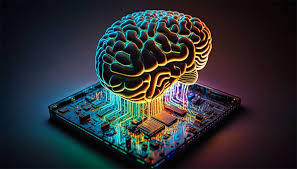
How the Human Brain Inspires Computing
The human brain is highly efficient and adaptive.
- Processes information in parallel
- Uses neurons and synapses
- Consumes very low energy
- Learns continuously
Neuromorphic systems replicate these features.
Key Components of Neuromorphic Hardware
- Neurons → Process signals
- Synapses → Store and adjust weights
- Spikes → Represent data
- Learning mechanisms → Adapt behavior
These components enable brain-like computing.
How Neuromorphic Computing Works
Neuromorphic systems operate differently from traditional computers.
- Event-driven processing reduces unnecessary computation
- Parallel architecture enables faster processing
- Local memory reduces data transfer
- Adaptive learning improves performance
This results in efficient computation.
Applications of Neuromorphic Computing
Neuromorphic computing is transforming multiple domains.
- Edge AI devices
- Robotics and autonomous systems
- Smart sensors and IoT
- Brain-computer interfaces
Its applications are expanding rapidly.
Benefits of Brain-Inspired Hardware
- Energy efficiency
- Real-time processing
- Scalability
- Adaptive learning capabilities
These benefits make it powerful.
Challenges and Limitations
- Complex hardware design
- Limited software ecosystem
- High development costs
- Early-stage technology
These challenges require innovation.
Neuromorphic computing is not just an improvement—it is a complete rethinking of how machines process information, inspired by the most efficient system we know: the human brain.
Neuromorphic vs Traditional Computing
- Traditional → Sequential processing
- Neuromorphic → Parallel processing
- Traditional → High energy consumption
- Neuromorphic → Low energy consumption
This shift is transformative.
Future of Neuromorphic Computing
The future of neuromorphic computing is promising.
- Advanced AI hardware
- Integration with edge computing
- Brain-inspired learning systems
- Wider industry adoption
It will redefine computing.
Role in Digital Transformation
Neuromorphic computing plays a key role in digital transformation.
- Improves AI efficiency
- Reduces energy consumption
- Enables real-time intelligence
It is essential for the future of technology.
Frequently Asked Questions
What is neuromorphic computing?
It is brain-inspired computing architecture.
Why is it important?
It improves efficiency and reduces energy use.
Where is it used?
AI, robotics, and edge computing.
Conclusion
Neuromorphic computing represents a revolutionary shift in computing architecture, inspired by the efficiency and adaptability of the human brain. By enabling energy-efficient, real-time, and scalable AI systems, it has the potential to transform industries and redefine the future of technology. As research and development continue, brain-inspired hardware will play a central role in shaping the next generation of intelligent systems.