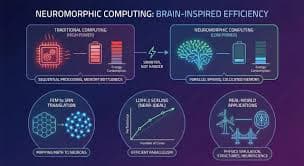
Neuromorphic Computing: The 70% Energy Breakthrough
As the demand for artificial intelligence and high-performance computing continues to grow, energy consumption has become a major challenge. Traditional computing architectures, based on the von Neumann model, struggle to efficiently handle AI workloads due to their high power requirements and data transfer limitations.
Neuromorphic computing offers a revolutionary alternative by mimicking the structure and function of the human brain. In 2026, this technology is gaining attention for its ability to deliver up to 70% energy savings while maintaining high computational efficiency.
This breakthrough has the potential to transform AI, robotics, and edge computing by making systems more efficient, scalable, and sustainable.
What Is Neuromorphic Computing?
Neuromorphic computing is a computing paradigm inspired by the human brain’s neural architecture.
- Uses artificial neurons and synapses
- Processes data in parallel
- Event-driven computation
- Low power consumption
It mimics how the brain processes information.
Why Traditional Computing Falls Short
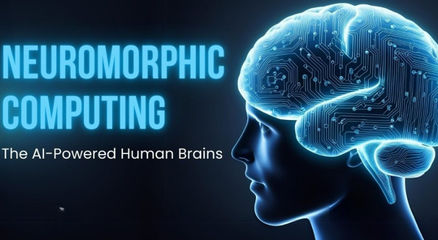
Traditional systems face limitations in AI workloads.
- High energy consumption
- Memory bottlenecks
- Sequential processing
- Inefficient data transfer
These challenges drive innovation.
The 70% Energy Breakthrough
Neuromorphic computing achieves significant energy savings.
- Event-driven processing reduces unnecessary computation
- Parallel architecture improves efficiency
- Local memory reduces data transfer
This results in up to 70% energy reduction.
How Neuromorphic Systems Work
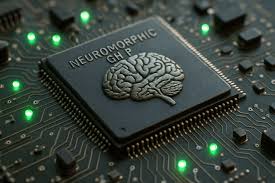
Neuromorphic systems operate differently from traditional computers.
- Neurons process signals
- Synapses adjust weights
- Spikes represent data
- Learning occurs through adaptation
This enables efficient computation.
Applications of Neuromorphic Computing
Neuromorphic systems are used in various domains.
- Edge AI devices
- Robotics and autonomous systems
- Smart sensors
- Brain-computer interfaces
Their applications are expanding.
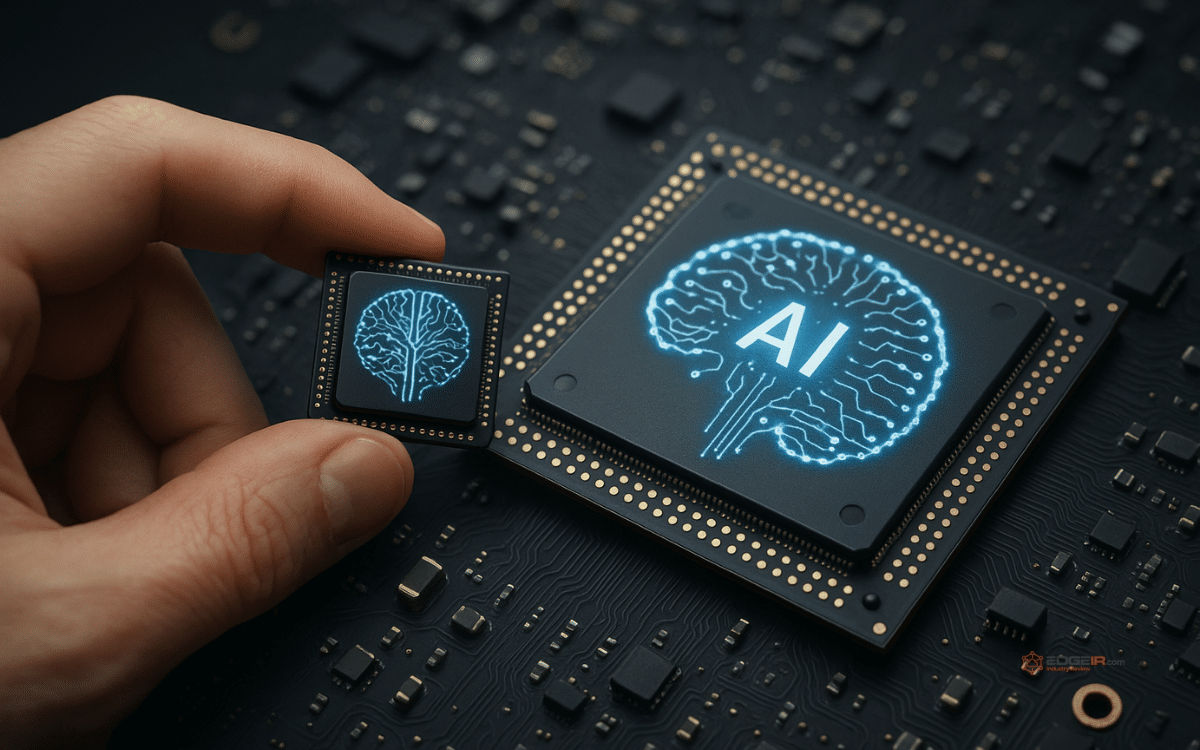
Benefits of Neuromorphic Computing
- Energy efficiency
- Real-time processing
- Scalability
- Adaptive learning
These benefits make it powerful.
Challenges and Limitations
- Complex hardware design
- Limited software ecosystem
- High development costs
- Early-stage technology
These challenges require innovation.
Neuromorphic computing represents a shift from energy-intensive computation to brain-inspired efficiency—unlocking the future of sustainable AI.
Neuromorphic vs Traditional Computing
- Traditional → Sequential processing
- Neuromorphic → Parallel processing
- Traditional → High energy use
- Neuromorphic → Low energy use
This comparison highlights its advantages.
Future of Neuromorphic Computing
The future of neuromorphic computing is promising.
- Advanced AI hardware
- Integration with edge computing
- Brain-inspired learning systems
- Wider adoption in industries
It will redefine computing.
Role in Digital Transformation
Neuromorphic computing supports efficient digital transformation.
- Reduces energy consumption
- Improves AI performance
- Enables sustainable technology
It is essential for the future.
Frequently Asked Questions
What is neuromorphic computing?
It is brain-inspired computing architecture.
Why is it energy efficient?
It uses event-driven and parallel processing.
Is it the future of AI?
Yes, especially for edge and low-power AI systems.
Conclusion
Neuromorphic computing represents a groundbreaking shift in computing architecture, offering significant energy savings and improved efficiency. By mimicking the human brain, it enables smarter, faster, and more sustainable AI systems. As this technology continues to evolve, it will play a crucial role in shaping the future of computing and digital innovation.