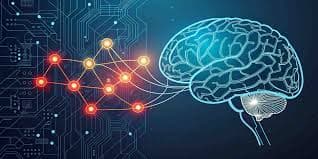
Neuromorphic Edge "Brains"
The future of computing is moving beyond traditional architectures toward systems inspired by the human brain. One of the most exciting developments in this field is neuromorphic computing—hardware and software designed to mimic the structure and functionality of biological neural systems. When combined with edge computing, these systems create what many researchers call “neuromorphic edge brains.”
In 2026, neuromorphic edge technologies are emerging as powerful solutions for real-time AI processing, ultra-low energy consumption, and intelligent autonomous systems. Unlike conventional processors, neuromorphic chips can process information more like the human brain, enabling adaptive, efficient, and context-aware computing directly at the edge.
This innovation is reshaping the future of artificial intelligence and embedded systems.
What Is Neuromorphic Computing?
Neuromorphic computing is a computing approach inspired by the architecture of the human brain.
- Brain-inspired chip design
- Artificial neural structures
- Event-driven processing
- Ultra-low power consumption
It mimics biological intelligence.
What Are Neuromorphic Edge Brains?
Neuromorphic edge brains are AI systems that perform brain-like computation directly on edge devices.
- On-device AI processing
- Low-latency decision making
- Energy-efficient intelligence
- Autonomous adaptive systems
They bring intelligence closer to devices.
Why Neuromorphic Edge Computing Matters
- Reduces cloud dependency
- Enables real-time processing
- Improves energy efficiency
- Supports autonomous systems
It addresses modern AI limitations.
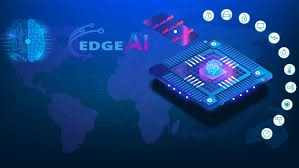
How Neuromorphic Chips Work
Neuromorphic chips process information differently from traditional CPUs and GPUs.
- Use spiking neural networks (SNNs)
- Event-based computation
- Parallel information processing
- Adaptive learning mechanisms
This enables brain-like efficiency.
Key Technologies Behind Neuromorphic Systems
- Spiking neural networks
- Memristors and advanced semiconductors
- Edge AI architectures
- Low-power computing frameworks
These technologies enable intelligent systems.
Applications of Neuromorphic Edge Brains
Neuromorphic systems are transforming industries.
- Autonomous vehicles
- Smart robotics
- IoT and edge devices
- Healthcare monitoring systems
- Defense and aerospace systems
Their applications are expanding rapidly.
Benefits of Neuromorphic Computing
- Ultra-low power consumption
- Faster real-time processing
- Adaptive learning capabilities
- Improved scalability
These benefits drive innovation.
Challenges and Limitations
- Complex hardware design
- Limited software ecosystems
- Difficulty in training spiking networks
- High research and development costs
These challenges require continued advancement.
Neuromorphic edge brains are bringing machine intelligence closer to human cognition—enabling systems that learn, adapt, and respond in real time with remarkable efficiency.
Neuromorphic vs Traditional Computing
- Traditional → Sequential processing
- Neuromorphic → Parallel brain-inspired processing
- Traditional → Higher energy consumption
- Neuromorphic → Ultra-low power efficiency
This shift represents a new computing paradigm.
Future of Neuromorphic Edge Systems
The future of neuromorphic computing is highly promising.
- Self-learning autonomous systems
- AI-powered smart cities
- Advanced robotics and drones
- Integration with quantum and edge AI systems
These technologies will redefine computing.
Role in Artificial Intelligence
Neuromorphic edge brains are shaping next-generation AI.
- Enable efficient AI inference
- Support adaptive machine intelligence
- Improve autonomous decision-making
They are essential for the future of intelligent systems.
Frequently Asked Questions
What is neuromorphic computing?
A brain-inspired computing architecture.
Why are neuromorphic edge brains important?
They enable efficient real-time AI processing.
Where are they used?
Robotics, autonomous systems, IoT, and healthcare.
Conclusion
Neuromorphic edge brains represent a transformative advancement in artificial intelligence and computing. By combining brain-inspired architectures with edge processing capabilities, these systems enable faster, smarter, and more energy-efficient AI applications. As research and development continue, neuromorphic computing is expected to play a central role in shaping the future of intelligent machines, autonomous systems, and real-time AI technologies.