
Orbital Edge Computing (Space Data Centers)
The rapid growth of data generation, artificial intelligence, and global connectivity is pushing the limits of traditional terrestrial data centers. As demand for low-latency processing and global coverage increases, a new frontier is emerging—orbital edge computing, also known as space-based data centers.
In 2026, orbital edge computing is gaining attention as a revolutionary approach to processing data closer to its source—directly in space. By leveraging satellites and orbital infrastructure, this technology aims to reduce latency, improve efficiency, and enable real-time data processing on a global scale.
This innovation is redefining the boundaries of computing and connectivity.
What Is Orbital Edge Computing?
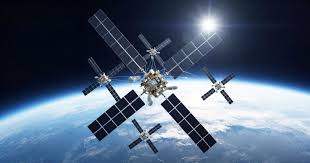
Orbital edge computing refers to the deployment of computing infrastructure in space to process data near its source.
- Space-based data centers
- Satellite computing systems
- Real-time data processing
- Global coverage
It extends edge computing beyond Earth.
Why Move Data Centers to Space?
- Reduce latency for global applications
- Handle massive data from satellites
- Improve energy efficiency using solar power
- Overcome terrestrial infrastructure limitations
Space offers unique advantages.
How Orbital Edge Computing Works
Orbital systems process and transmit data efficiently.
- Satellites collect data
- Onboard processors analyze data
- Results are transmitted to Earth
- Edge processing reduces bandwidth usage
This enables faster insights.
Key Technologies
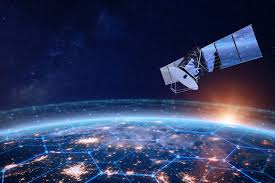
- Satellite constellations
- Edge computing hardware
- AI and machine learning
- High-speed communication networks
These technologies enable orbital computing.
Applications of Space Data Centers
Orbital edge computing has diverse applications.
- Earth observation and climate monitoring
- Global internet connectivity
- Defense and security systems
- Space exploration missions
- Disaster management
Its impact is far-reaching.

Benefits of Orbital Edge Computing
- Low latency global processing
- Reduced data transmission costs
- Energy efficiency (solar power)
- Scalable infrastructure
These benefits drive innovation.
Challenges and Risks
- High deployment costs
- Space environment challenges
- Limited maintenance capabilities
- Regulatory and security concerns
These challenges must be addressed.
Orbital edge computing represents the next frontier of digital infrastructure—bringing computation closer to space and redefining global connectivity.
Orbital vs Terrestrial Edge Computing
- Terrestrial → Limited coverage
- Orbital → Global coverage
- Terrestrial → Infrastructure-dependent
- Orbital → Space-based systems
This shift expands capabilities.
Future of Space Computing
The future of orbital computing is promising.
- Large-scale space data centers
- AI-driven satellite networks
- Integration with 6G networks
- Commercial space computing services
It will redefine computing.
Role in Digital Transformation
Orbital edge computing supports global digital transformation.
- Enables real-time data processing
- Improves connectivity
- Supports advanced technologies
It is shaping the future of global infrastructure.
Frequently Asked Questions
What is orbital edge computing?
It is computing infrastructure in space.
Why use space data centers?
For global coverage and low latency.
Is it the future of computing?
Yes, especially for global and space-based applications.
Conclusion
Orbital edge computing represents a groundbreaking shift in how data is processed and managed. By moving computing infrastructure into space, it enables faster, more efficient, and globally accessible data processing. As technology continues to evolve, space data centers will play a crucial role in shaping the future of connectivity, AI, and digital transformation.