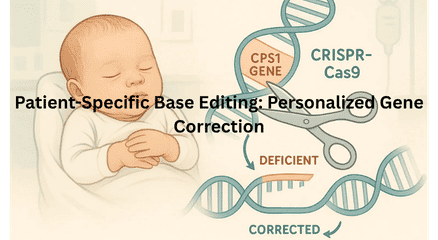
Patient-Specific Base Editing
The field of genetic medicine is undergoing a profound transformation. Traditional therapies often focus on managing symptoms rather than addressing the underlying genetic causes of disease. Recent advances in gene editing technologies have opened the possibility of correcting disease-causing mutations directly within human DNA. Among the most promising developments is Patient-Specific Base Editing, an emerging approach that enables highly targeted genetic corrections tailored to an individual's unique genetic profile.
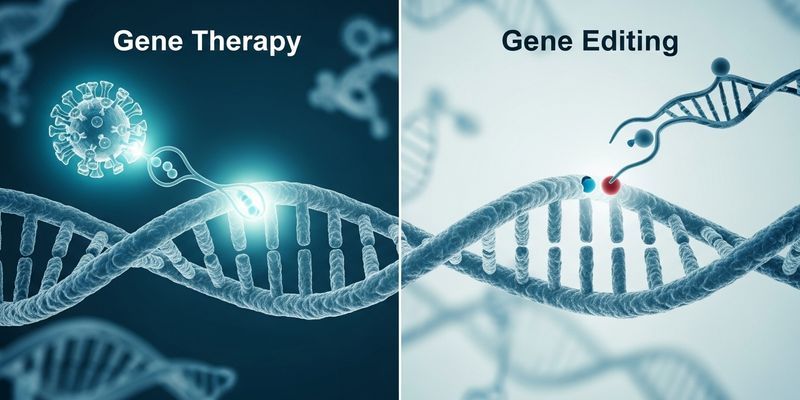
Unlike conventional gene therapies that may insert or replace entire genes, base editing allows scientists to precisely modify single DNA letters without cutting both strands of the DNA molecule. This precision could dramatically improve safety, efficiency, and therapeutic outcomes.
Patient-Specific Base Editing has the potential to transform personalized medicine, rare disease treatment, oncology, and preventive healthcare.
What Is Patient-Specific Base Editing?
Patient-Specific Base Editing is a form of precision gene editing that modifies individual DNA bases to correct mutations responsible for disease.
Rather than applying a one-size-fits-all treatment, the therapy is customized to the genetic makeup of a specific patient.
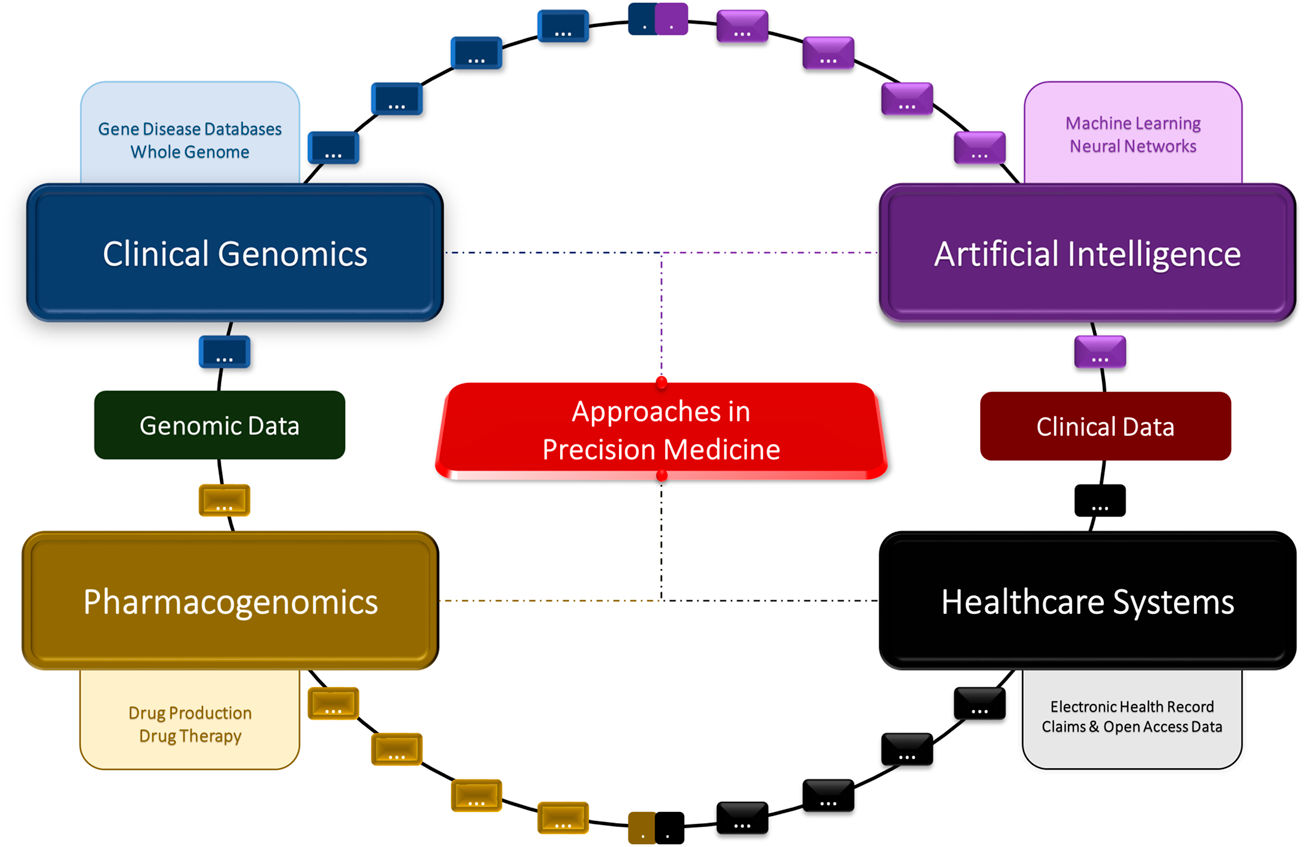
This approach combines:
- Genomic sequencing
- Precision medicine
- Base editing technologies
- Bioinformatics analysis
- Personalized therapeutic design
The goal is to correct genetic errors with unprecedented accuracy.
What Is Base Editing?
Base editing is an advanced gene-editing technique derived from CRISPR technologies.
It allows scientists to directly convert one DNA base into another without creating double-strand breaks.
Common base conversions include:
- Cytosine (C) to Thymine (T)
- Adenine (A) to Guanine (G)
These targeted changes can correct many disease-causing genetic mutations.
Why Personalization Matters
Many genetic disorders arise from unique mutations that vary between individuals.
- Rare genetic diseases
- Inherited disorders
- Cancer-associated mutations
- Personalized risk factors
- Unique genomic variations
Patient-specific therapies aim to address the exact mutation present in an individual rather than treating broad disease categories.
How Patient-Specific Base Editing Works
The treatment process begins with comprehensive genomic analysis.
Typical workflow:
- The patient's genome is sequenced.
- Disease-causing mutations are identified.
- A customized base editor is designed.
- Editing components are delivered into target cells.
- Specific DNA bases are corrected.
- Treated cells are monitored for safety and effectiveness.
This creates a highly individualized therapeutic pathway.
Key Technologies Enabling Base Editing
- CRISPR-Based Systems
- Base Editors
- Genomic Sequencing Platforms
- Bioinformatics Software
- AI-Assisted Drug Design
- Gene Delivery Technologies
- Precision Diagnostics
These technologies collectively support next-generation genetic medicine.
Potential Medical Applications
Patient-Specific Base Editing could address a wide range of diseases.
- Sickle Cell Disease
- Cystic Fibrosis
- Duchenne Muscular Dystrophy
- Inherited Retinal Disorders
- Rare Genetic Syndromes
- Cancer Therapies
- Blood Disorders
Many conditions caused by single-base mutations may become treatable.
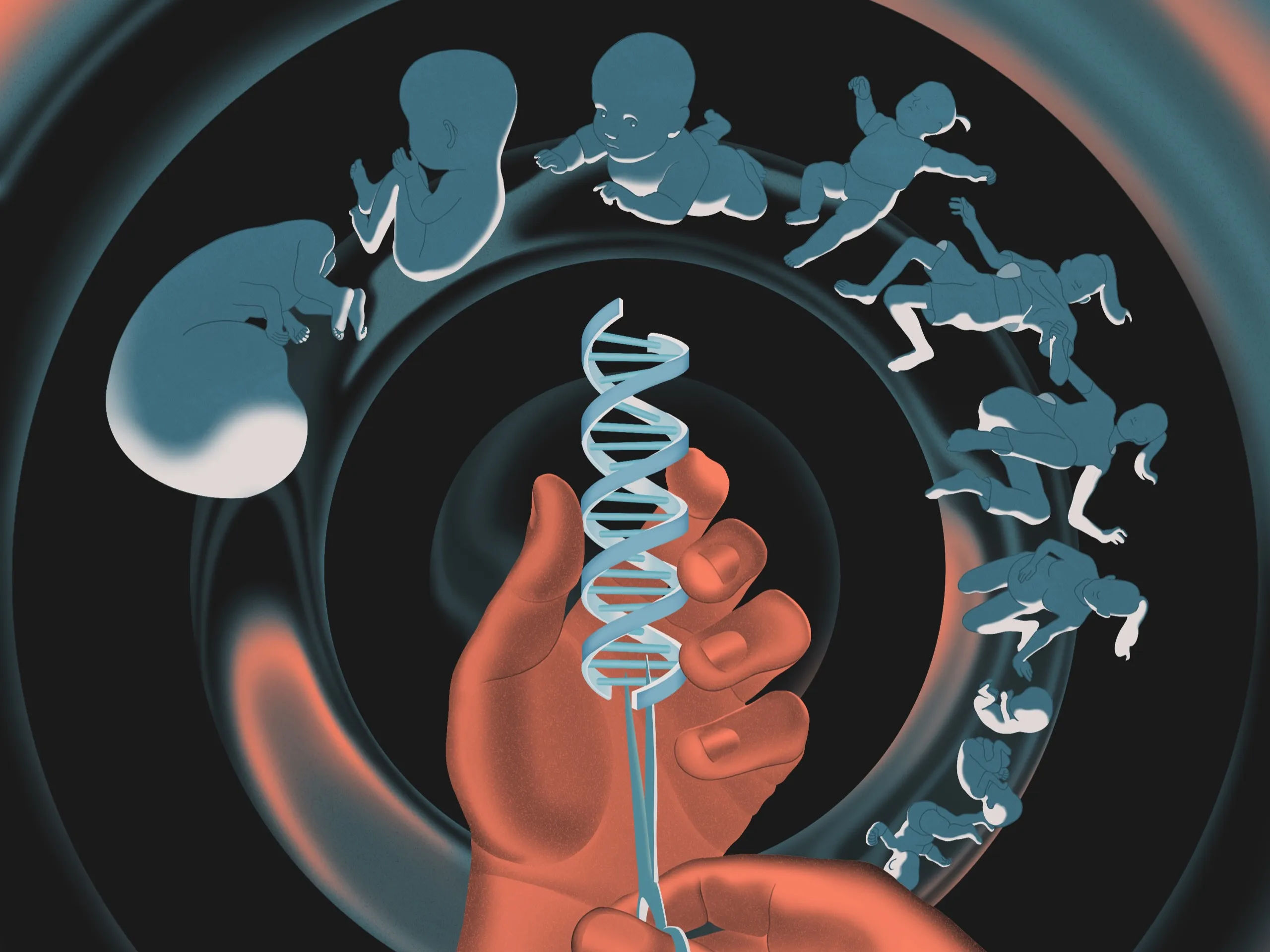
Patient-Specific Base Editing moves medicine from treating diseases broadly to correcting the precise genetic changes responsible for illness in each individual.
Advantages Over Traditional Gene Therapy
- Greater precision
- Reduced off-target effects
- No double-strand DNA breaks
- Personalized treatment design
- Potentially improved safety profile
- Long-term therapeutic benefits
Precision editing may significantly improve treatment outcomes.
Traditional Genetic Therapy vs Patient-Specific Base Editing
| Traditional Gene Therapy | Patient-Specific Base Editing |
|---|---|
| Broad therapeutic approach | Individualized treatment |
| Gene insertion or replacement | Single-base correction |
| Standardized therapy design | Customized editing strategy |
| Population-focused treatment | Patient-focused treatment |
Challenges and Risks
- High development costs
- Complex regulatory pathways
- Delivery system limitations
- Potential off-target edits
- Manufacturing scalability challenges
- Ethical considerations
Researchers continue working to improve safety, accessibility, and effectiveness.
Role of Artificial Intelligence
AI is becoming increasingly important in personalized genetic medicine.
- Mutation identification
- Editing target prediction
- Therapy design optimization
- Genomic data analysis
- Risk assessment
AI may significantly accelerate the development of individualized therapies.
Future Outlook
The next decade may witness the expansion of personalized gene-editing platforms.
- Rapid therapy design systems
- AI-assisted editing platforms
- Personalized genomic clinics
- Routine genetic correction therapies
- Ultra-rare disease treatment programs
Patient-specific interventions may become a central pillar of precision medicine.
Economic and Strategic Implications
Patient-Specific Base Editing could reshape the biotechnology and healthcare industries.
- Expansion of precision medicine markets
- Growth of genomic healthcare services
- Reduction in long-term treatment costs
- Acceleration of rare disease research
- Creation of personalized therapeutic ecosystems
The organizations that successfully scale personalized gene-editing technologies may lead the next era of biotechnology innovation.
Frequently Asked Questions
What is Patient-Specific Base Editing?
A personalized gene-editing approach that corrects disease-causing DNA mutations unique to an individual patient.
How is it different from traditional gene therapy?
Instead of inserting or replacing entire genes, it precisely changes specific DNA bases responsible for disease.
Which diseases could benefit most?
Rare genetic disorders, inherited diseases, blood disorders, certain cancers, and conditions caused by single-base mutations.
Conclusion
Patient-Specific Base Editing represents one of the most promising advances in precision medicine. By tailoring genetic corrections to an individual's unique DNA sequence, this technology has the potential to move healthcare beyond symptom management and toward direct correction of disease-causing mutations. As genomic sequencing, AI-driven design, and gene-editing platforms continue to advance, patient-specific therapies may redefine how medicine is practiced in the decades ahead.