Personhood Credentials & Digital Provenance
As the digital world becomes increasingly complex, the need to verify identity and authenticity is more critical than ever. The rise of artificial intelligence, deepfakes, and automated systems has made it difficult to distinguish between real and synthetic entities. In response, new frameworks such as personhood credentials and digital provenance are emerging to establish trust in digital environments.
In 2026, these technologies are playing a vital role in ensuring that individuals, content, and systems can be verified and trusted. They are becoming foundational elements of secure digital ecosystems, enabling transparency, accountability, and authenticity.
This evolution is shaping the future of identity and trust in the digital age.
What Are Personhood Credentials?
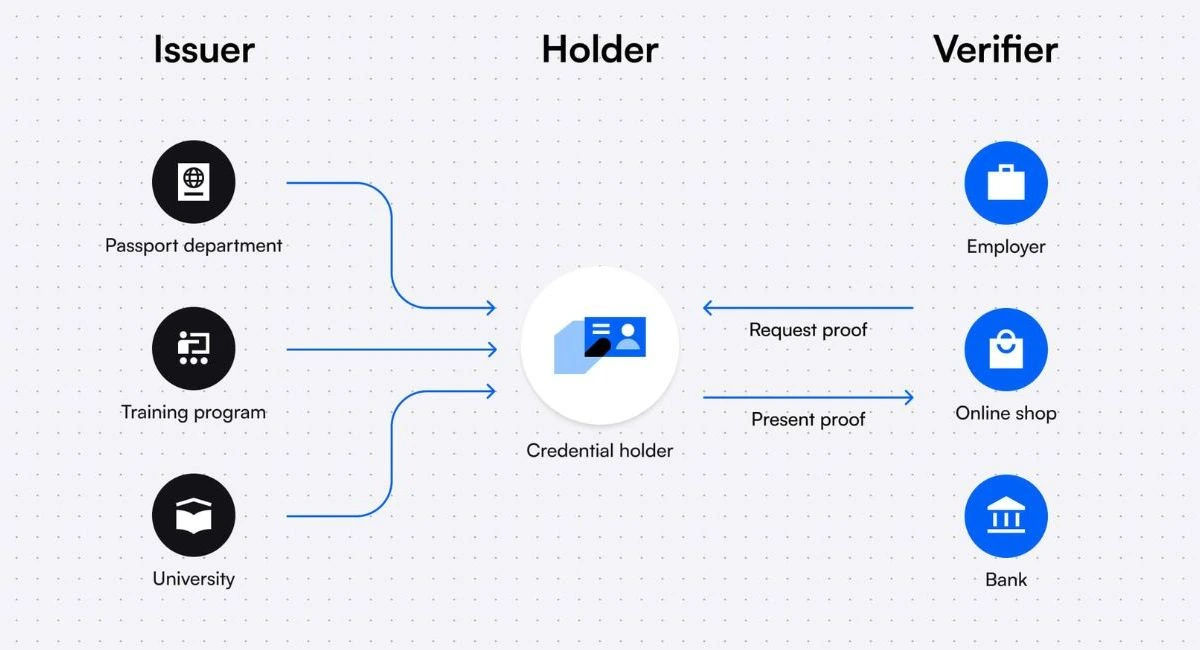
Personhood credentials are digital proofs that verify an individual is a real human being.
- Proof of human identity
- Privacy-preserving verification
- Decentralized identity systems
- Protection against bots and fake accounts
They ensure authenticity of users.
What Is Digital Provenance?
Digital provenance refers to the ability to trace the origin, history, and authenticity of digital content.
- Content origin tracking
- Metadata and timestamps
- Verification of authenticity
- Protection against misinformation
It ensures trust in digital content.
Why These Technologies Are Important
- Combat misinformation and deepfakes
- Enhance cybersecurity
- Build trust in digital interactions
- Support regulatory compliance
They address modern digital challenges.
How Personhood Credentials Work
These systems use advanced verification methods.
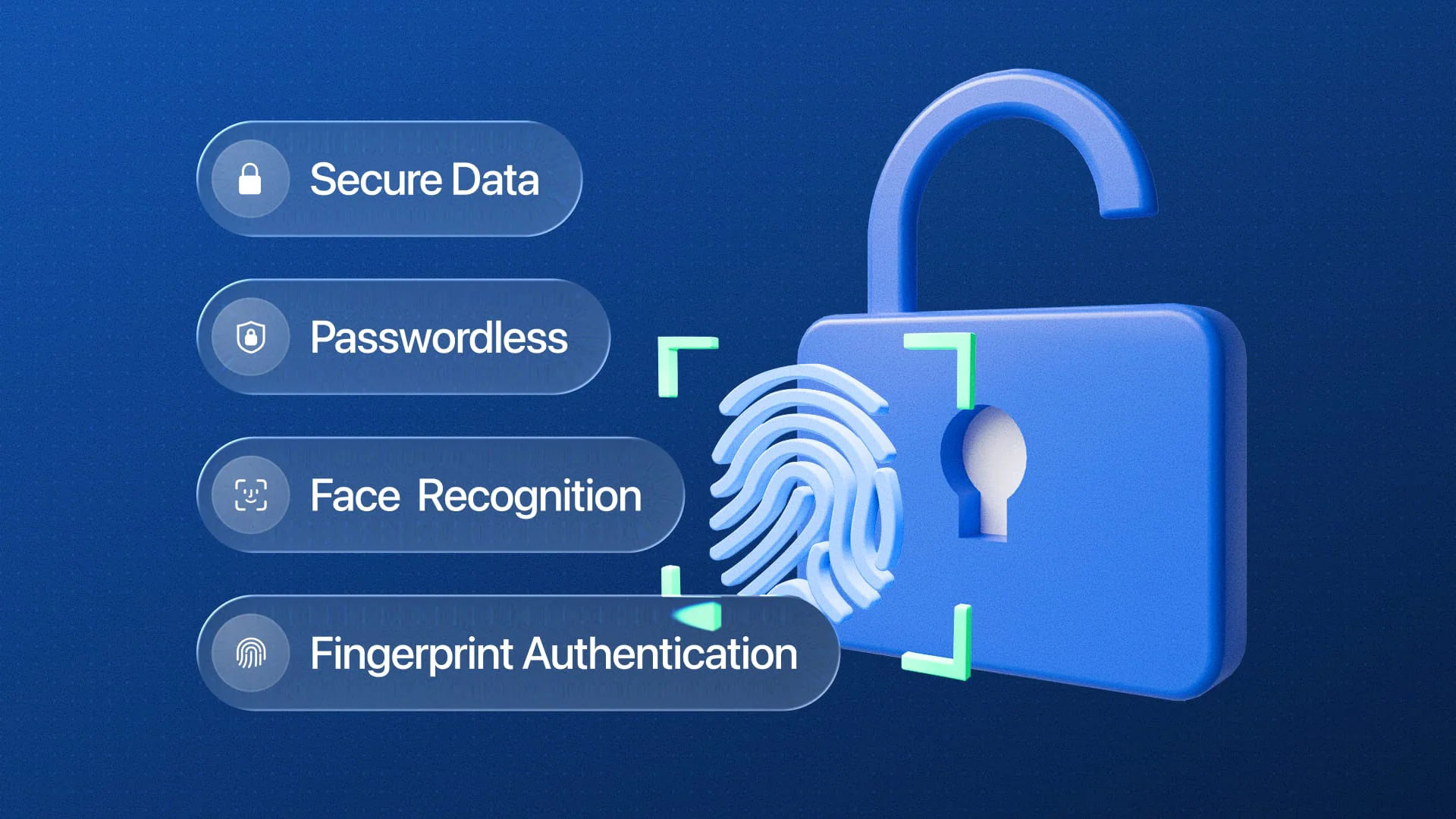
- Biometric authentication
- Cryptographic proofs
- Decentralized identity frameworks
- Privacy-preserving protocols
This ensures secure identity verification.
How Digital Provenance Works
Digital provenance tracks content lifecycle.
- Content is tagged with metadata
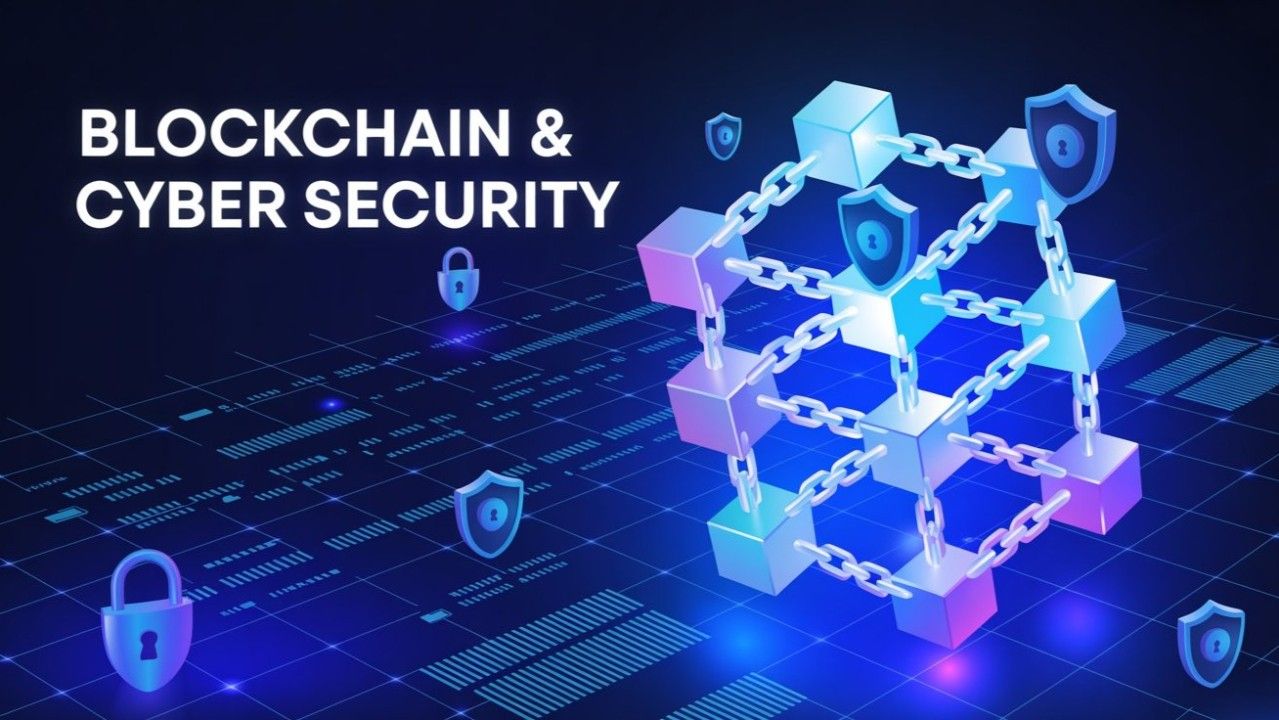
- Blockchain or secure systems store records
- Users verify authenticity
- History of changes is tracked
This ensures transparency.
Applications
These technologies are used across industries.
- Social media platforms
- Digital identity systems
- Content creation and media
- Financial and legal systems
Their applications are expanding.
Benefits
- Enhanced trust and transparency
- Improved security
- Reduced fraud and misinformation
- Better user verification
These benefits drive adoption.
Challenges and Limitations
- Privacy concerns
- Implementation complexity
- Regulatory challenges
- Adoption barriers
These challenges must be addressed.
In a world of AI-generated content, personhood credentials and digital provenance are essential for preserving trust, authenticity, and accountability.
Personhood vs Traditional Identity Systems
- Traditional → Centralized identity
- Personhood → Decentralized verification
- Traditional → Vulnerable to fraud
- Personhood → Secure and private
This shift is transformative.
Future of Digital Trust
The future of digital ecosystems depends on trust.
- Global adoption of identity standards
- Integration with AI systems
- Advanced verification technologies
- Expansion into metaverse and Web3
These technologies will define the future.
Role in Cybersecurity
They play a key role in cybersecurity.
- Prevent identity fraud
- Secure digital interactions
- Protect sensitive data
They are essential for digital safety.
Frequently Asked Questions
What are personhood credentials?
Proofs that verify a real human identity.
What is digital provenance?
Tracking the origin and authenticity of content.
Why are they important?
They build trust and prevent misinformation.
Conclusion
Personhood credentials and digital provenance are critical technologies for establishing trust in the digital age. By verifying identities and ensuring content authenticity, they address the challenges posed by AI-generated content and digital fraud. As these technologies continue to evolve, they will play a central role in shaping secure, transparent, and trustworthy digital ecosystems.