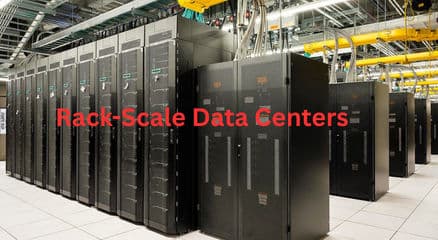
Rack-Scale "On-Off" Grid Cross-Management
The rapid expansion of artificial intelligence, hyperscale cloud computing, and high-performance computing is placing unprecedented pressure on global energy systems. Data centers now consume massive amounts of electricity, and future AI workloads are expected to drive energy demand even higher.
To address these challenges, a new concept is emerging: Rack-Scale "On-Off" Grid Cross-Management. This approach enables server racks, AI clusters, and computing workloads to dynamically adjust their power consumption based on real-time grid conditions, renewable energy availability, electricity pricing, and infrastructure constraints.
Instead of operating as passive electricity consumers, future data centers may become active participants in grid optimization.
This evolution could reshape cloud infrastructure, energy markets, AI operations, and sustainable computing.
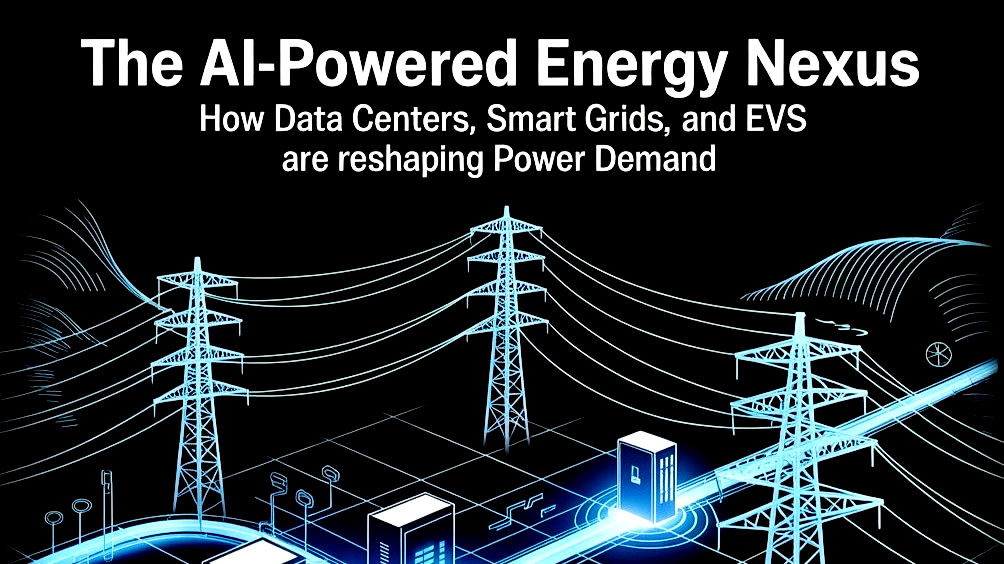
What Is Rack-Scale "On-Off" Grid Cross-Management?
Rack-Scale "On-Off" Grid Cross-Management refers to the ability of individual server racks and computing clusters to intelligently scale activity levels based on energy conditions.
The concept combines:
- AI workload orchestration
- Smart-grid communication systems
- Renewable energy optimization
- Real-time electricity pricing
- Power-aware scheduling systems
- Data-center energy intelligence
The objective is to synchronize computing demand with available energy supply.
Why Traditional Data Centers Are Changing
Traditional data centers typically operate with relatively fixed power requirements regardless of grid conditions.
- Growing AI energy demand
- Rising electricity costs
- Grid congestion risks
- Carbon reduction targets
- Renewable energy variability
- Power infrastructure limitations
As AI workloads increase, static consumption models become less sustainable.
How Rack-Scale Cross-Management Works
Future intelligent infrastructure may continuously monitor both computing demand and energy supply.
Typical workflow:
- Grid conditions are analyzed in real time.
- Electricity prices are monitored continuously.
- Renewable generation forecasts are evaluated.
- AI workloads are prioritized.
- Selected server racks reduce or increase activity.
- Workloads may migrate to alternative locations.
This creates a dynamic relationship between energy systems and digital infrastructure.
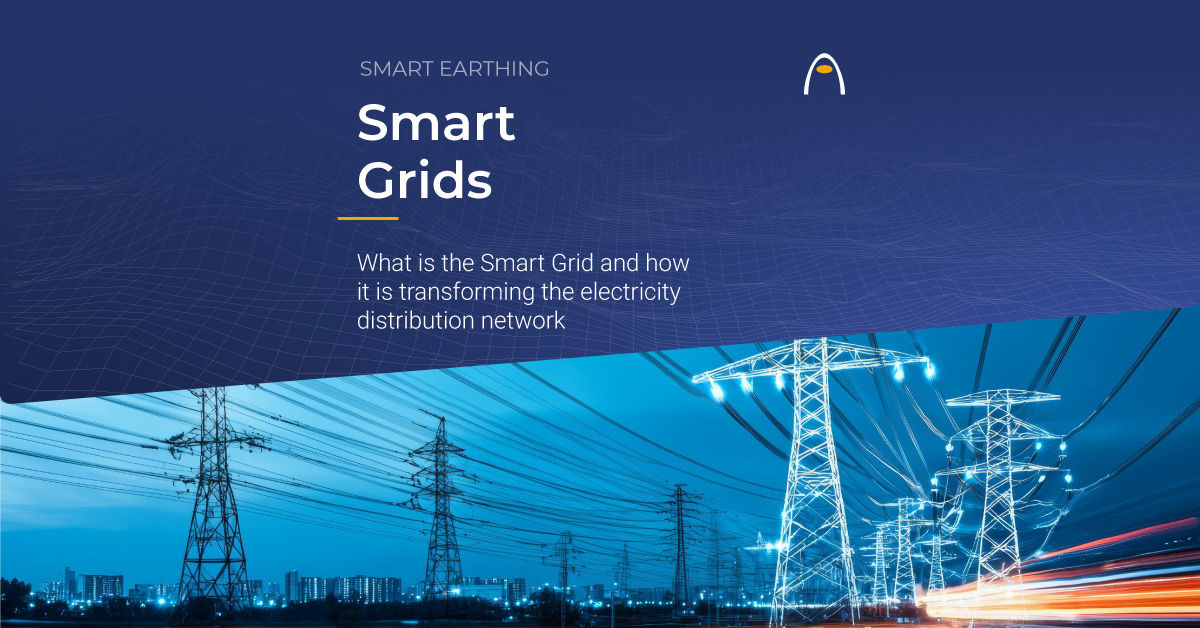
Core Technologies Behind the System
- Artificial Intelligence
- Smart Grid Infrastructure
- Digital Twin Technology
- Software-Defined Data Centers
- Energy Forecasting Systems
- Cloud Workload Orchestration
- Edge Computing Controllers
These technologies enable continuous optimization between energy consumption and computational demand.
Why AI Workloads Are Ideal Candidates
Many AI tasks do not require immediate execution.
Examples include:
- Large Language Model Training
- Scientific Simulations
- Big Data Analytics
- Video Rendering
- Batch Processing Tasks
- Machine Learning Experiments
These workloads can often be shifted in time or location without affecting users.
Relationship with Renewable Energy
Renewable energy generation is inherently variable.
- Solar generation fluctuations
- Wind production variability
- Weather-dependent output
- Seasonal generation changes
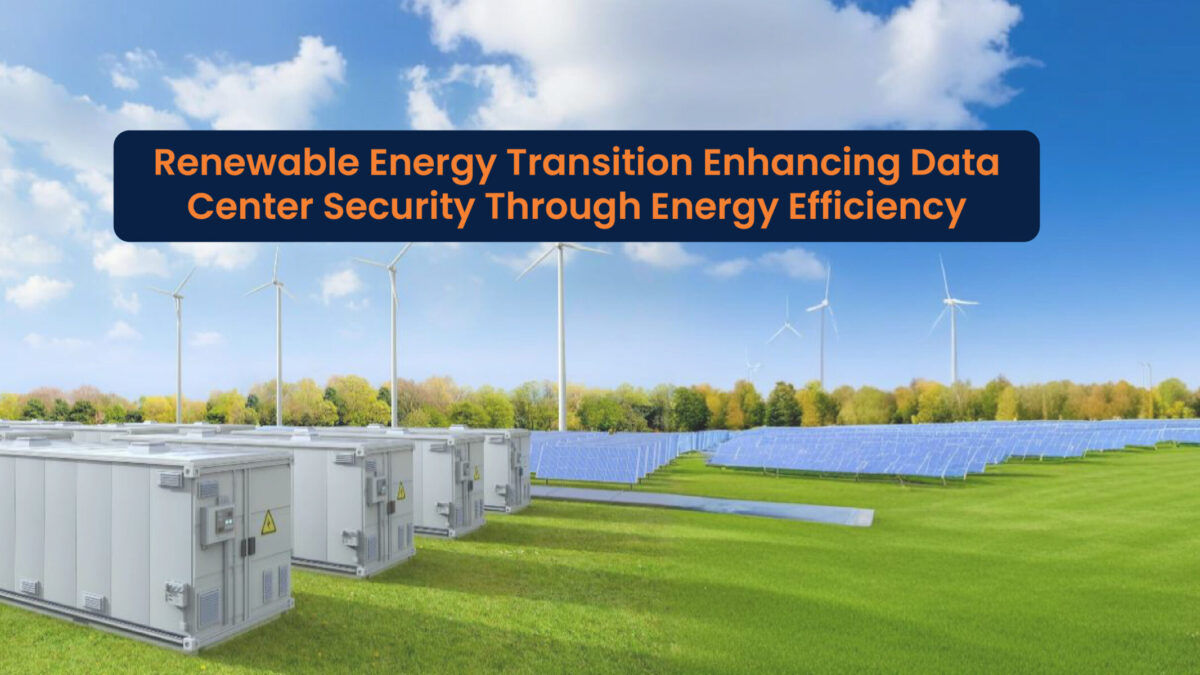
Rack-scale management systems may increase computing activity when renewable energy is abundant and reduce activity during shortages.
Future AI infrastructure may consume energy not when workloads arrive, but when electricity is most available and affordable.
Benefits of Rack-Scale Cross-Management
- Lower energy costs
- Higher infrastructure efficiency
- Improved renewable utilization
- Reduced carbon emissions
- Enhanced grid stability
- Better return on AI investments
Energy increasingly becomes a strategic resource rather than a fixed operational cost.
Traditional Data Centers vs Rack-Scale Cross-Management
| Traditional Data Center | Rack-Scale Cross-Management |
|---|---|
| Fixed power consumption | Dynamic power optimization |
| Passive grid participation | Active grid coordination |
| Static scheduling | Adaptive workload orchestration |
| Energy as cost | Energy as optimization variable |
Challenges and Risks
- Application compatibility constraints
- Latency-sensitive workloads
- Cybersecurity concerns
- Grid communication failures
- Regulatory complexity
- Infrastructure deployment costs
Balancing performance and energy efficiency remains a key challenge.
Future Outlook
The next generation of AI facilities may become deeply integrated with smart-grid systems.
- Autonomous AI Data Centers
- Carbon-Aware Computing
- Energy-Responsive Cloud Platforms
- Global Workload Migration Networks
- Self-Optimizing Infrastructure
Computing and electricity systems may increasingly function as a unified ecosystem.
Economic and Strategic Implications
https://www.epoverse.com/Rack-Scale "On-Off" Grid Cross-Management could fundamentally reshape digital infrastructure economics.
- Expansion of AI infrastructure
- Improved grid resilience
- Lower operational costs
- Higher renewable adoption
- New energy-computing business models
As AI demand accelerates, intelligent energy coordination may become a defining feature of future computing systems.
Frequently Asked Questions
What is Rack-Scale "On-Off" Grid Cross-Management?
A system that dynamically adjusts server rack activity based on energy availability, grid conditions, and electricity pricing.
Why is it important?
Because AI data centers are consuming increasing amounts of electricity, requiring smarter coordination with power grids.
How does it help renewable energy?
It enables computing workloads to operate when renewable generation is abundant, improving energy utilization and reducing waste.
Conclusion
Rack-Scale "On-Off" Grid Cross-Management represents a convergence of artificial intelligence, cloud computing, and smart-grid technology. By allowing server infrastructure to dynamically respond to energy conditions, future data centers may evolve into intelligent participants within the power ecosystem. This shift could improve sustainability, reduce operational costs, enhance grid stability, and support the continued growth of AI-driven economies.