
Robotic Process Automation (RPA)
Robotic Process Automation (RPA) is a powerful technology that enables businesses to automate repetitive and rule-based tasks using software robots or “bots.” These bots mimic human actions such as data entry, processing transactions, and interacting with digital systems.
In today’s fast-paced business environment, organizations are increasingly adopting RPA to improve efficiency, reduce operational costs, and enhance productivity. RPA plays a crucial role in digital transformation by automating routine processes and allowing employees to focus on higher-value tasks.
Understanding RPA is essential for businesses and professionals looking to stay competitive in the modern digital era.
What Is Robotic Process Automation?
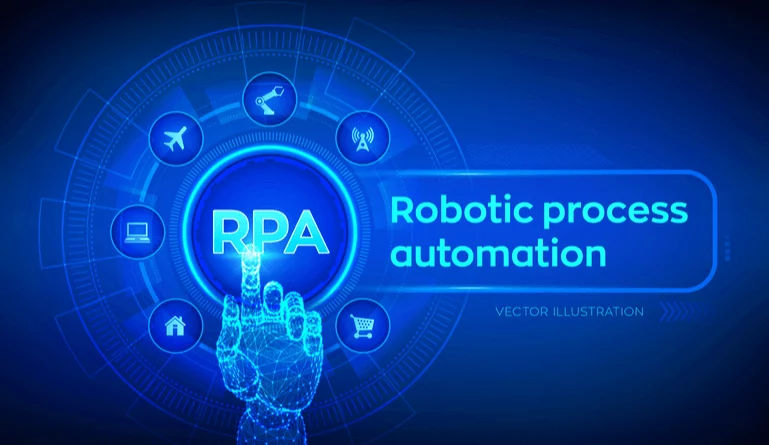
Robotic Process Automation is the use of software bots to automate repetitive, rule-based tasks in business processes.
- Automates manual tasks
- Uses software robots
- Improves efficiency
- Reduces human errors
It enables faster and more accurate operations.
How RPA Works
RPA operates by mimicking human interactions with digital systems.
- Bots capture user actions
- Follow predefined rules
- Execute tasks automatically
- Generate outputs and reports
This process ensures consistency and speed.
Types of RPA
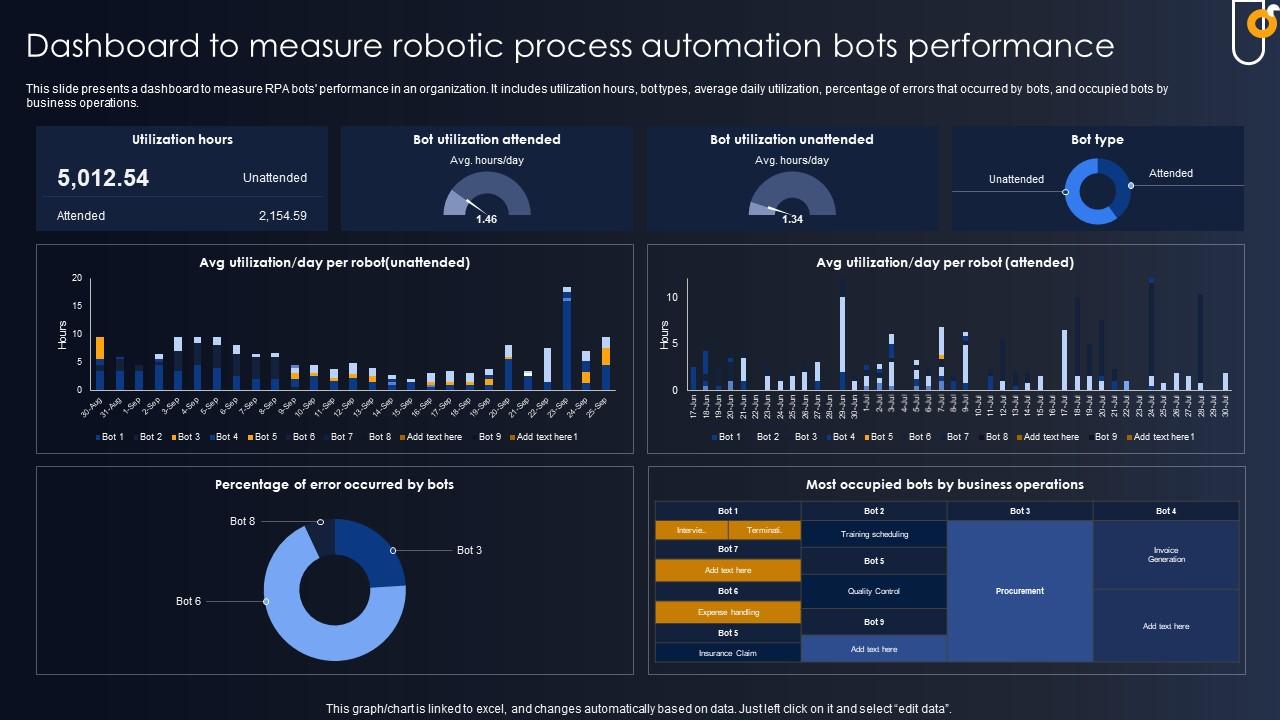
- Attended RPA: Works alongside humans
- Unattended RPA: Fully automated processes
- Hybrid RPA: Combination of both
Each type serves different use cases.
Applications of RPA
RPA is widely used across industries.
- Finance (invoice processing)
- Healthcare (patient data management)
- Customer service (chatbots)
- HR (employee onboarding)
- IT operations (system monitoring)
Its applications continue to grow.
Benefits of RPA
- Increased productivity
- Reduced operational costs
- Improved accuracy
- Faster processing
These benefits drive adoption.

RPA vs Traditional Automation
- RPA → Software-based automation
- Traditional → Hardware/software integration
- RPA → Easy to implement
- Traditional → Complex setup
RPA offers greater flexibility.
Challenges of RPA
- Initial setup costs
- Process limitations
- Maintenance requirements
- Security concerns
Proper planning is essential.
RPA is not about replacing humans—it is about empowering them by automating repetitive tasks and enhancing productivity.
Future of RPA
The future of RPA is evolving with advanced technologies.
- AI-integrated automation
- Intelligent process automation (IPA)
- Expansion across industries
- Improved scalability
RPA will continue to grow.
Role in Digital Transformation
RPA plays a key role in digital transformation.
- Enhances efficiency
- Reduces manual workload
- Supports innovation
It is essential for modern businesses.
Frequently Asked Questions
What is RPA?
It is automation using software bots.
Where is RPA used?
Finance, healthcare, HR, IT, and more.
Does RPA replace jobs?
It automates tasks but creates new opportunities.
Conclusion
Robotic Process Automation is transforming business operations by automating repetitive tasks and improving efficiency. By reducing costs, enhancing accuracy, and enabling faster processes, RPA is a key technology in digital transformation. As it continues to evolve, RPA will play an increasingly important role in shaping the future of work and business innovation.