Satellite Direct-to-Cell Space Networks
The telecommunications industry is entering a major transformation where connectivity increasingly extends beyond terrestrial infrastructure. Traditionally, mobile communication has depended on cellular towers, fiber networks, and ground-based systems. Although these networks enabled global communication growth, coverage gaps still exist across oceans, mountains, remote regions, disaster zones, and underserved areas.
In 2026 and beyond, one of the most significant emerging technologies is the rise of Satellite Direct-to-Cell Space Networks. These systems allow satellites in orbit to communicate directly with ordinary mobile phones without requiring specialized satellite devices.
Instead of relying entirely on cell towers, future smartphones may increasingly connect directly to space-based communication infrastructure.
This evolution could reshape telecommunications, emergency services, global internet access, and digital inclusion.
What Are Satellite Direct-to-Cell Networks?
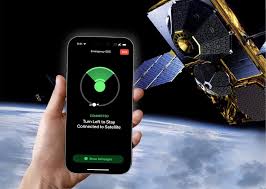
Satellite Direct-to-Cell (D2C) networks are communication systems where satellites connect directly with standard mobile devices.
Unlike traditional satellite phones:
- No specialized device required
- No external satellite antenna needed
- Uses existing smartphone technologies
- Extends cellular coverage through space infrastructure
The mobile phone communicates directly with orbiting satellites.
Why Traditional Cellular Networks Have Limitations
Ground-based cellular infrastructure faces physical constraints.
- Remote geographic areas
- Ocean coverage gaps
- Disaster-related tower failures
- Rural infrastructure costs
- Mountain and forest obstacles
Extending terrestrial infrastructure everywhere can be expensive and difficult.
How Direct-to-Cell Systems Work
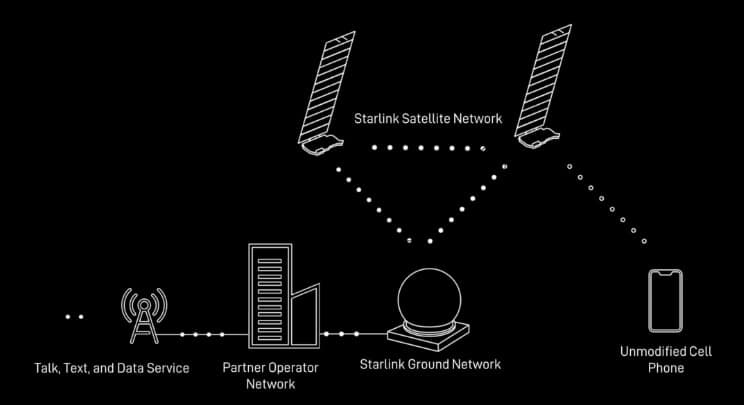
Satellite communication systems create an extension of terrestrial mobile networks.
Typical process:
- Smartphone sends a signal
- Satellite receives transmission
- Signal routes through space network infrastructure
- Ground stations connect to telecommunications systems
- Information reaches intended destination
Satellites increasingly function as space-based cell towers.
Core Technologies Enabling Direct-to-Cell Networks
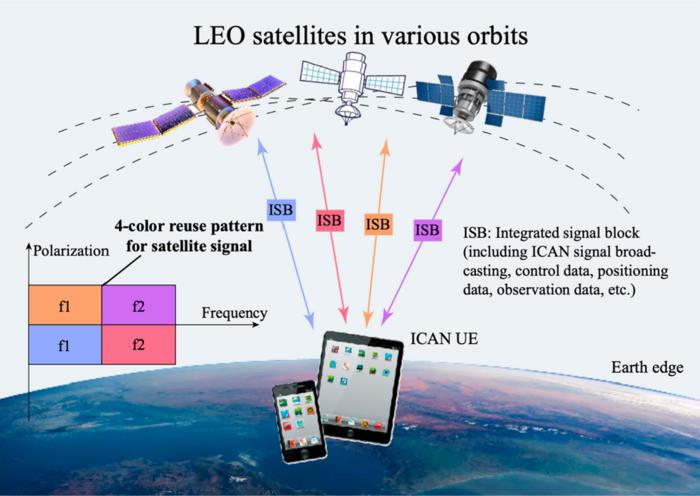
- Low Earth Orbit (LEO) satellite systems
- Advanced antenna technologies
- 5G and future 6G protocols
- Software-defined communication systems
- AI-powered signal optimization
- Beamforming technologies
Multiple technologies converge to create seamless connectivity.
Potential Applications
Direct satellite communication may enable numerous use cases.
- Emergency messaging services
- Remote-area internet access
- Maritime communication
- Aviation connectivity
- Disaster recovery infrastructure
- Global IoT networks
- Rural digital inclusion
Connectivity increasingly becomes geographically independent.
Emergency and Disaster Response
One of the strongest early applications involves emergency communication.
- Earthquake response
- Flood disasters
- Wildfire emergencies
- Search-and-rescue operations
- Infrastructure failures
Space-based communication may remain operational even when terrestrial systems fail.
Direct-to-cell systems transform satellites from specialized communication tools into extensions of everyday mobile networks.
Traditional Cellular Networks vs Direct-to-Cell Networks
| Traditional Cellular | Direct-to-Cell Space Networks |
|---|---|
| Ground towers required | Satellite infrastructure |
| Coverage limitations | Near-global reach |
| Local infrastructure dependence | Space-based redundancy |
Challenges and Risks
Direct-to-cell systems face significant technical hurdles.
- Limited bandwidth capacity
- Signal interference challenges
- Orbital congestion risks
- Regulatory coordination issues
- Satellite deployment costs
- Space debris concerns
Global deployment requires large-scale coordination.
Future Outlook
Future communication systems may increasingly integrate terrestrial and orbital infrastructure.
- 6G-integrated satellite networks
- Continuous global mobile coverage
- Autonomous communication routing
- Space-based digital ecosystems
Connectivity increasingly becomes borderless and persistent.
Economic and Strategic Implications
The rise of direct-to-cell systems could reshape global telecommunications.
- Expansion of digital inclusion
- Reduction of connectivity gaps
- New space economy opportunities
- Transformation of telecom business models
Access to communication may increasingly shift from local infrastructure toward planetary-scale networks.
Frequently Asked Questions
What is Direct-to-Cell satellite technology?
A system allowing ordinary smartphones to communicate directly with satellites.
Will users need special phones?
Many future systems aim to work with standard smartphones rather than dedicated satellite phones.
Why is this important?
Because it could provide broader global coverage and improve connectivity in remote and emergency situations.
Conclusion
Satellite Direct-to-Cell Space Networks represent a major evolution in communication infrastructure where space increasingly becomes an extension of terrestrial networks. By combining satellite constellations, advanced mobile protocols, and intelligent communication systems, future networks may provide nearly continuous connectivity across the planet. While technical and regulatory challenges remain, this technology could redefine how humanity stays connected.