
Self-Healing Infrastructure & Materials
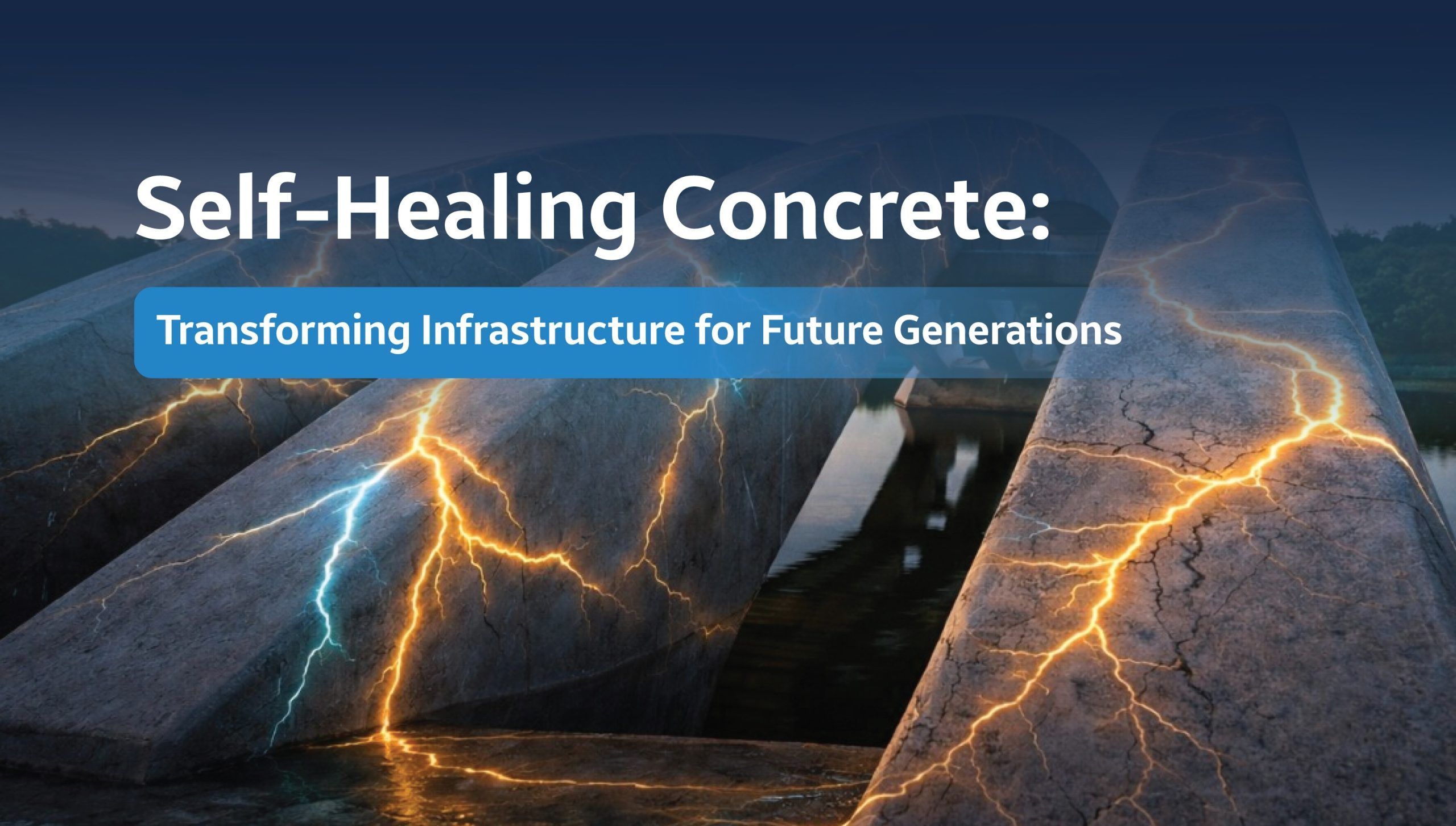
The future of construction and material science is moving toward a revolutionary concept—self-healing infrastructure. Imagine roads that repair their own cracks, buildings that restore structural integrity after damage, and materials that extend their lifespan without human intervention. This is no longer science fiction; it is becoming a reality.
In 2026, advancements in material science, nanotechnology, and biotechnology are enabling the development of self-healing materials. These materials can detect damage and initiate repair processes automatically, reducing maintenance costs, improving safety, and enhancing sustainability.
This innovation is set to transform industries such as construction, transportation, and manufacturing.
What Are Self-Healing Materials?
Self-healing materials are engineered substances that can repair damage automatically.
- Detect cracks or damage
- Activate repair mechanisms
- Restore structural integrity
- Extend material lifespan
They mimic natural healing processes.
How Self-Healing Materials Work
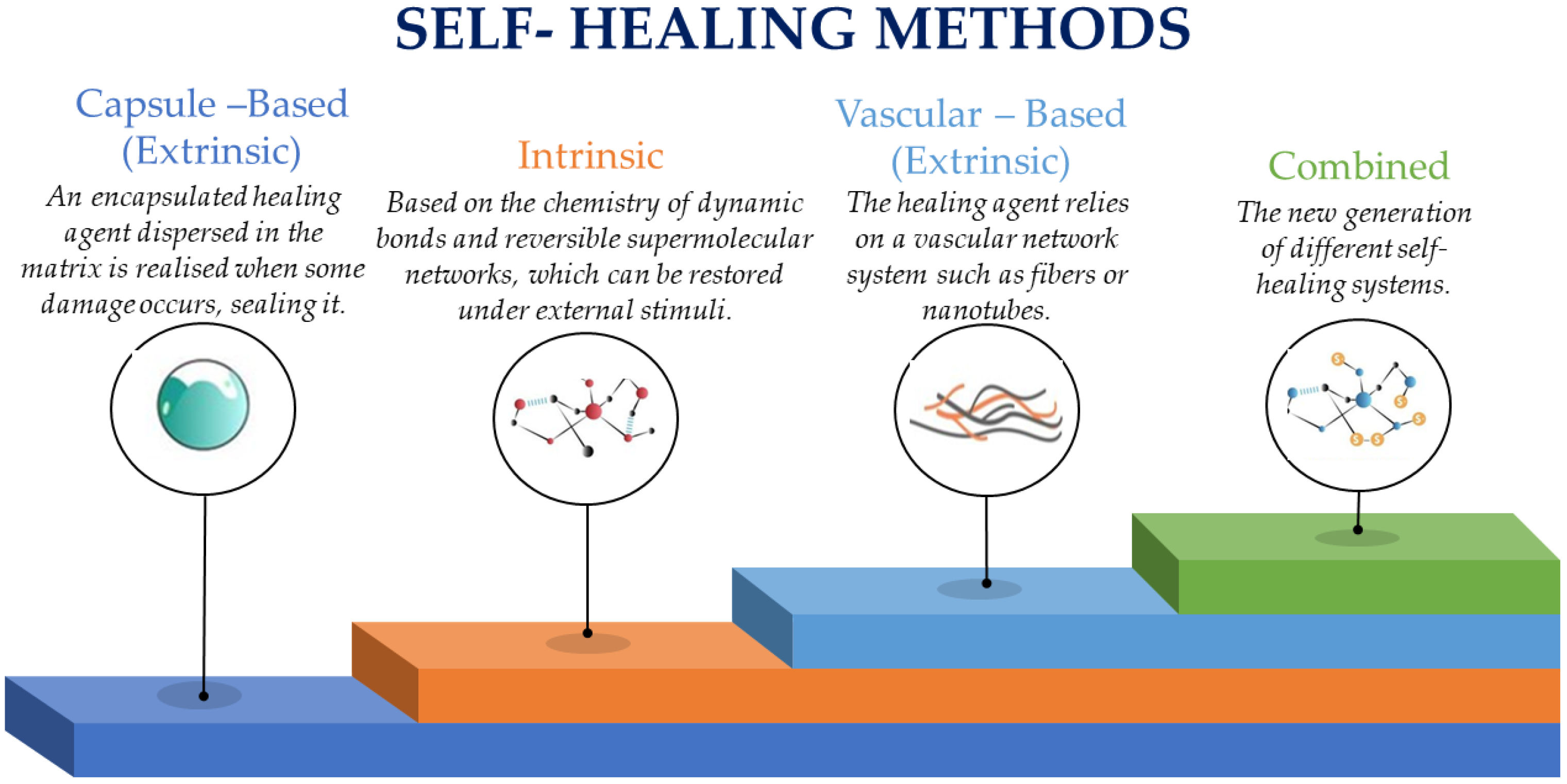
These materials use various mechanisms.
- Microcapsules release healing agents
- Bacteria produce repair substances
- Polymers re-bond after damage
- Nanotechnology enables repair at micro-levels
This enables automatic restoration.
Types of Self-Healing Materials
- Self-healing concrete
- Self-healing polymers
- Self-healing metals
- Biological materials
Each type serves different applications.
Applications in Infrastructure
Self-healing materials are transforming infrastructure.
- Roads and highways
- Bridges and buildings
- Pipelines and water systems
- Energy infrastructure
Their impact is significant.

Benefits of Self-Healing Infrastructure
- Reduced maintenance costs
- Improved safety
- Extended lifespan of structures
- Enhanced sustainability
These benefits drive adoption.
Challenges and Limitations
- High initial costs
- Limited scalability
- Technical complexity
- Regulatory hurdles
These challenges must be addressed.
Self-healing materials represent a future where infrastructure is not just built—it is designed to adapt, repair, and sustain itself over time.
Self-Healing vs Traditional Materials
- Traditional → Requires manual repair
- Self-healing → Automatic repair
- Traditional → Shorter lifespan
- Self-healing → Longer lifespan
This shift is transformative.
Future of Smart Infrastructure
The future of infrastructure is intelligent and adaptive.
- Integration with IoT and AI
- Smart cities with self-repairing systems
- Sustainable construction practices
- Advanced material innovation
It will redefine construction.
Role in Sustainability
Self-healing materials support sustainability goals.
- Reduce waste
- Lower carbon footprint
- Improve resource efficiency
They are essential for a greener future.
Frequently Asked Questions
What are self-healing materials?
Materials that repair themselves automatically.
Where are they used?
Construction, infrastructure, and manufacturing.
Why are they important?
They reduce maintenance and improve durability.
Conclusion
Self-healing infrastructure and materials represent a transformative advancement in engineering and material science. By enabling automatic repair and extending the lifespan of structures, they offer significant benefits in terms of cost, safety, and sustainability. As technology continues to evolve, self-healing materials will play a crucial role in building smarter, more resilient, and environmentally friendly infrastructure for the future.