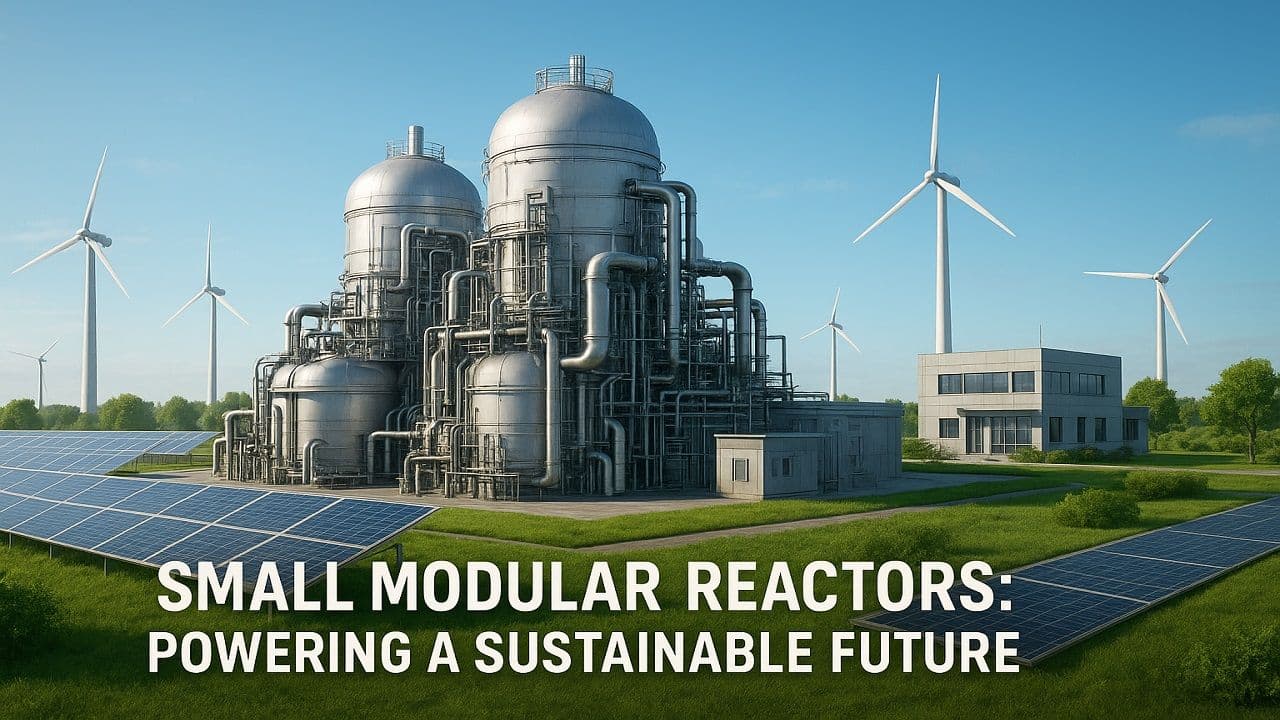
Small Modular Reactors (SMRs)
The global transition toward clean energy is driving the search for reliable, low-carbon power sources that can complement renewable energy such as solar and wind. While conventional nuclear power plants provide large amounts of electricity with minimal greenhouse gas emissions, they often require enormous upfront investments, long construction periods, and complex infrastructure.
Small Modular Reactors (SMRs) represent a new generation of nuclear technology designed to overcome many of these challenges. SMRs are compact nuclear reactors that can be factory-manufactured, transported to deployment sites, and assembled more quickly than traditional nuclear plants.
By offering scalable, flexible, and safer nuclear energy, SMRs are attracting growing interest from governments, utilities, technology companies, and industries seeking dependable carbon-free electricity.
Small Modular Reactors may become one of the key technologies supporting global decarbonization, energy security, hydrogen production, and AI-powered industrial infrastructure.
What Are Small Modular Reactors?
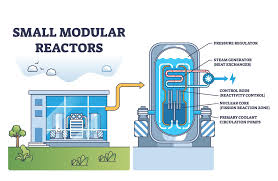
Small Modular Reactors (SMRs) are advanced nuclear reactors that generate electricity using nuclear fission while being significantly smaller than conventional nuclear power plants.
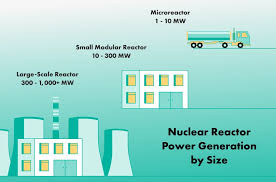
Unlike large reactors that produce over 1,000 megawatts (MW) of electricity, most SMRs are designed to generate between 50 MW and 300 MW per unit.
The term "modular" refers to their ability to be manufactured in factories and transported as standardized modules for installation.
- Compact reactor designs
- Factory-built components
- Scalable deployment
- Lower construction complexity
- Flexible installation options
Multiple SMRs can also be combined to meet growing electricity demand.
Why SMRs Are Gaining Attention
Growing electricity demand, climate goals, and energy security concerns are driving interest in advanced nuclear technologies.
- Carbon-neutral electricity generation
- Reliable 24/7 power supply
- Growing AI data center energy demand
- Industrial decarbonization
- Grid stability support
- Energy independence
SMRs offer continuous electricity generation regardless of weather conditions.
How Small Modular Reactors Work
SMRs operate using the same fundamental principle as conventional nuclear reactors—controlled nuclear fission.
Typical workflow:
- Nuclear fuel undergoes controlled fission.
- Heat is generated inside the reactor core.
- Heat converts water into steam.
- Steam drives turbines.
- Turbines generate electricity.
- Cooling systems safely remove excess heat.
Many modern SMRs incorporate passive safety systems that function without external power or operator intervention.
Key Features of SMRs
- Factory-based manufacturing
- Passive safety systems
- Smaller physical footprint
- Modular expansion capability
- Lower construction risk
- Enhanced operational flexibility
- Improved safety design
These characteristics make SMRs attractive for regions where large nuclear plants may not be practical.
Types of Small Modular Reactors
- Pressurized Water Reactors (PWR)
- Boiling Water Reactors (BWR)
- High-Temperature Gas Reactors
- Molten Salt Reactors
- Fast Neutron Reactors
- Lead-Cooled Fast Reactors
Different designs aim to optimize efficiency, safety, fuel usage, and operational flexibility.
Applications Across Industries
- Electricity generation
- AI data centers
- Hydrogen production
- Mining operations
- Remote communities
- Industrial manufacturing
- Military installations
- Desalination plants
SMRs can provide reliable power where traditional infrastructure is limited.
Small Modular Reactors combine the reliability of nuclear energy with the flexibility and scalability required for the modern clean-energy economy.
Traditional Nuclear Plants vs Small Modular Reactors
| Traditional Nuclear Plants | Small Modular Reactors |
|---|---|
| Very large generating capacity | Smaller, scalable capacity |
| Long construction timelines | Potentially faster deployment |
| Primarily site-built | Factory-manufactured modules |
| Large capital investment | Lower initial investment per unit |
Role in Artificial Intelligence Infrastructure
AI computing facilities require massive amounts of reliable electricity.
- Powering hyperscale data centers
- Supporting AI model training
- Reducing carbon emissions
- Providing stable baseload power
- Supporting future digital infrastructure
SMRs are increasingly being explored as potential power sources for energy-intensive AI infrastructure.
Advantages of SMRs
- Low greenhouse gas emissions
- Reliable continuous electricity
- Improved passive safety
- Flexible deployment
- Reduced land requirements
- Support for renewable energy integration
These advantages make SMRs attractive for achieving long-term energy transition goals.
Challenges and Risks
- High development costs
- Nuclear waste management
- Regulatory approval complexity
- Public acceptance concerns
- Fuel supply considerations
- Long-term economic competitiveness
Commercial deployment depends on continued technological progress, regulatory support, and public confidence.
Future Outlook
Many countries are actively evaluating SMRs as part of their long-term energy strategies.
- Carbon-neutral electricity systems
- Hydrogen economy development
- Industrial electrification
- AI infrastructure expansion
- Remote energy deployment
SMRs may complement renewable energy by providing reliable baseload power while reducing carbon emissions.
Economic and Strategic Implications
Small Modular Reactors could reshape global energy markets by providing scalable nuclear solutions for countries seeking secure and low-carbon electricity.
- Expansion of advanced nuclear industries
- Growth of clean-energy infrastructure
- Improved energy security
- Support for AI-driven economies
- Acceleration of industrial decarbonization
The countries and companies leading in SMR technology may gain significant advantages in clean energy, industrial competitiveness, and technological innovation.
Frequently Asked Questions
What is a Small Modular Reactor (SMR)?
An SMR is a compact nuclear reactor designed to generate electricity safely and efficiently while being factory-built, modular, and easier to deploy than conventional nuclear power plants.
Why are SMRs important?
They provide reliable, low-carbon electricity with improved safety features and flexible deployment options, making them valuable for clean energy transitions and growing electricity demand.
Can Small Modular Reactors replace renewable energy?
SMRs are generally viewed as complementary to renewable energy rather than replacements. They can provide stable baseload power when solar and wind generation fluctuate, helping create a more reliable low-carbon electricity system.
Conclusion
Small Modular Reactors (SMRs) represent one of the most promising innovations in advanced nuclear energy. By combining modular manufacturing, enhanced safety systems, flexible deployment, and reliable low-carbon electricity generation, SMRs have the potential to support global dec