Spatial Computing: Life Beyond the Smartphone
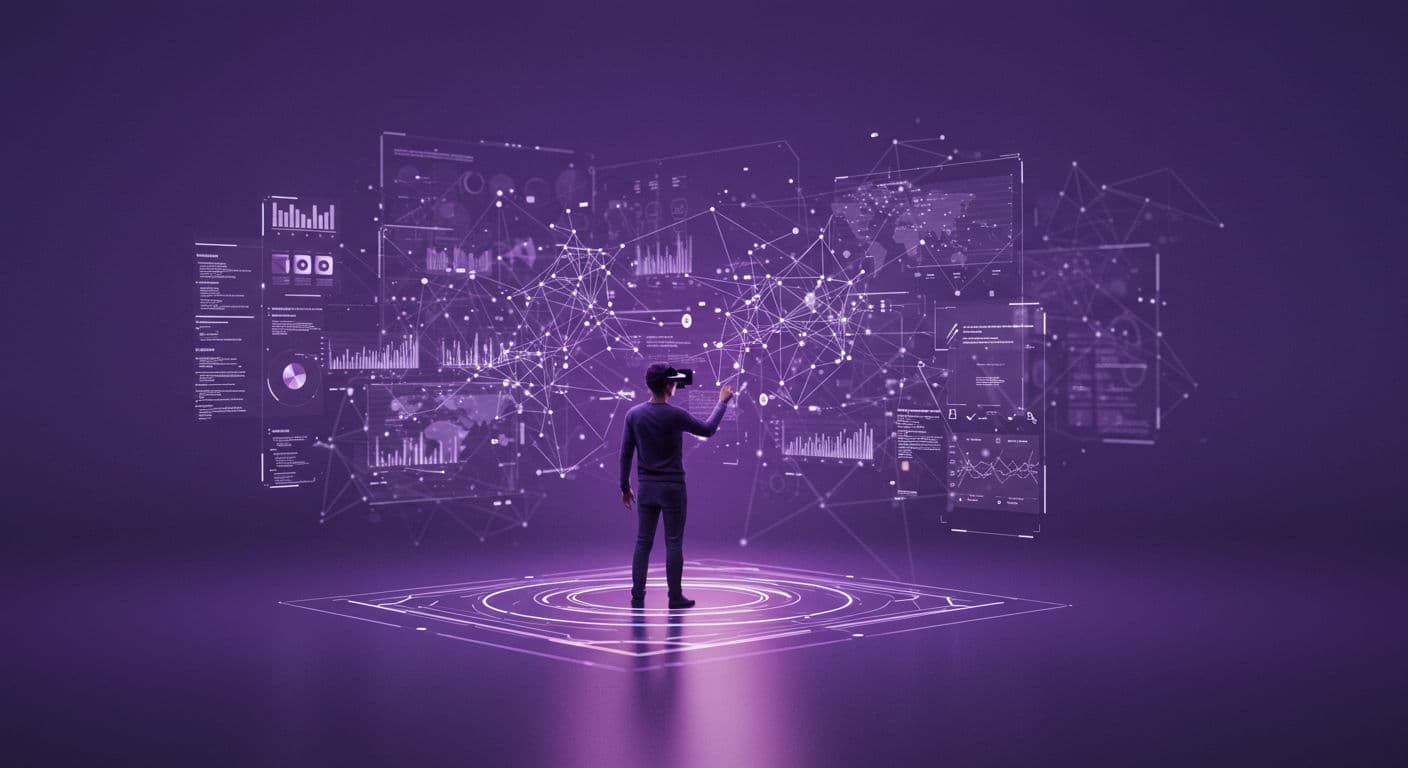
Spatial computing is redefining how humans interact with technology by blending the digital and physical worlds into a seamless, immersive experience. Moving beyond the limitations of smartphones, spatial computing enables users to interact with digital content in three-dimensional space using gestures, voice, and real-world movement.
In 2026, spatial computing is emerging as the next major computing paradigm, powered by advancements in augmented reality (AR), virtual reality (VR), mixed reality (MR), and artificial intelligence. It is transforming industries and reshaping everyday life by making technology more intuitive, immersive, and context-aware.
Understanding spatial computing is essential for developers, businesses, and users preparing for the future of digital interaction.
What Is Spatial Computing?
Spatial computing refers to the use of technology to interact with digital content in a physical environment.
- 3D interaction with digital objects
- Real-world environment integration
- Gesture and voice control
- Immersive experiences
It bridges the gap between digital and physical worlds.
Key Technologies Behind Spatial Computing
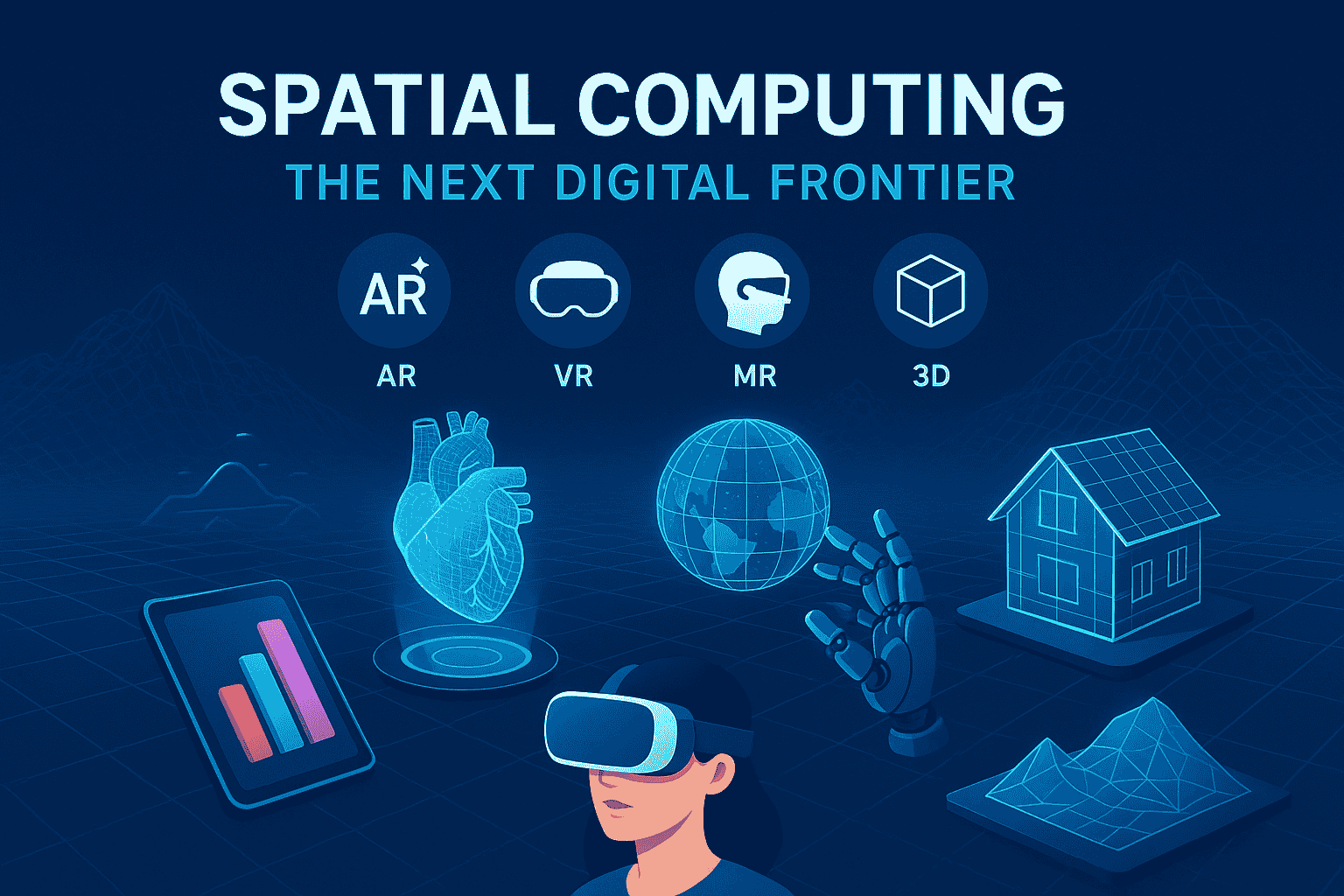
- Augmented Reality (AR)
- Virtual Reality (VR)
- Mixed Reality (MR)
- Artificial Intelligence (AI)
- Computer Vision
These technologies enable immersive interaction.
How Spatial Computing Works
Spatial computing systems operate by understanding and interacting with physical space.
- Capture environment using sensors
- Process data with AI and computer vision
- Render digital content in 3D space
- Enable user interaction
This creates a seamless experience.
Life Beyond the Smartphone
Spatial computing is moving beyond traditional devices.
- Wearable devices (AR glasses)
- Hands-free interaction
- Context-aware computing
- Immersive environments
It reduces dependency on smartphones.
Applications of Spatial Computing
Spatial computing is transforming various industries.
- Gaming and entertainment
- Healthcare and surgery simulation
- Education and training
- Retail and e-commerce
- Architecture and design
Its applications are expanding rapidly.
Benefits of Spatial Computing
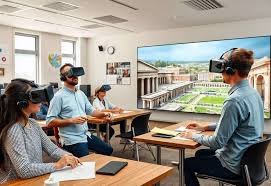
- Enhanced user experience
- Improved productivity
- Real-time interaction
- Immersive learning
These benefits drive adoption.
Challenges of Spatial Computing
- High hardware costs
- Privacy concerns
- Technical complexity
- Limited adoption
These challenges must be addressed.
Spatial computing is not just an upgrade—it is a complete reimagining of how humans interact with digital information.
Spatial Computing vs Traditional Computing
- Traditional → Screen-based interaction
- Spatial → 3D immersive interaction
- Traditional → Keyboard and mouse
- Spatial → Gesture and voice
This shift is revolutionary.
Future of Spatial Computing
The future of spatial computing is promising.
- Advanced AR glasses
- Integration with AI and IoT
- Smart environments
- Metaverse expansion
It will redefine digital interaction.
Role in Digital Transformation
Spatial computing is a key driver of digital transformation.
- Enhances user interaction
- Improves efficiency
- Enables innovation
It is shaping the future of technology.
Frequently Asked Questions
What is spatial computing?
It is interacting with digital content in physical space.
Is it replacing smartphones?
It may reduce dependence but not fully replace them.
Where is it used?
Gaming, healthcare, education, and more.
Conclusion
Spatial computing represents the next evolution of digital interaction, moving beyond screens to immersive, real-world experiences. By combining advanced technologies like AR, VR, and AI, it is transforming how we work, learn, and interact with technology. As adoption grows, spatial computing will play a central role in shaping the future of human-computer interaction and life beyond the smartphone.