The "Software-Defined" Power Grid
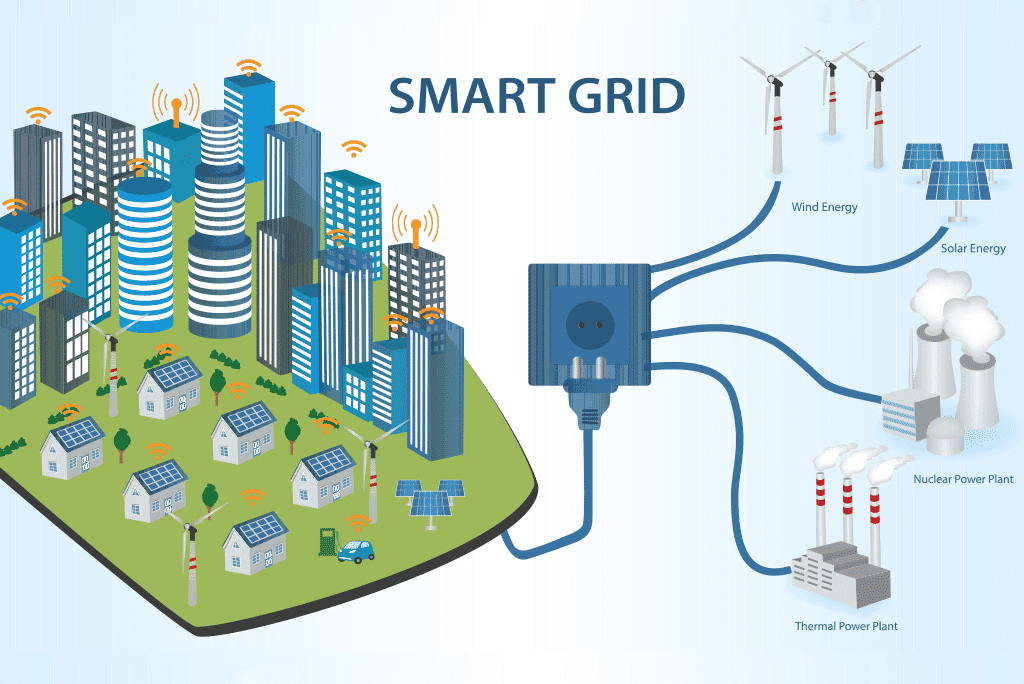
The global energy landscape is undergoing a profound transformation. Traditional power grids, once centralized and hardware-driven, are evolving into intelligent, flexible, and software-controlled systems. This evolution is giving rise to the concept of the software-defined power grid—a modern approach where software plays a central role in managing, optimizing, and controlling energy systems.
In 2026, the software-defined grid is becoming essential for integrating renewable energy, improving efficiency, and ensuring reliable power distribution. By leveraging advanced technologies such as artificial intelligence, IoT, and cloud computing, power grids are becoming smarter, more adaptive, and more resilient.
This transformation is critical for building a sustainable and efficient energy future.
What Is a Software-Defined Power Grid?
A software-defined power grid is an energy system where software controls and optimizes grid operations.
- Digital control systems
- Real-time monitoring
- Automated decision-making
- Integration with smart devices
It shifts control from hardware to software.
Why the Power Grid Needs Transformation
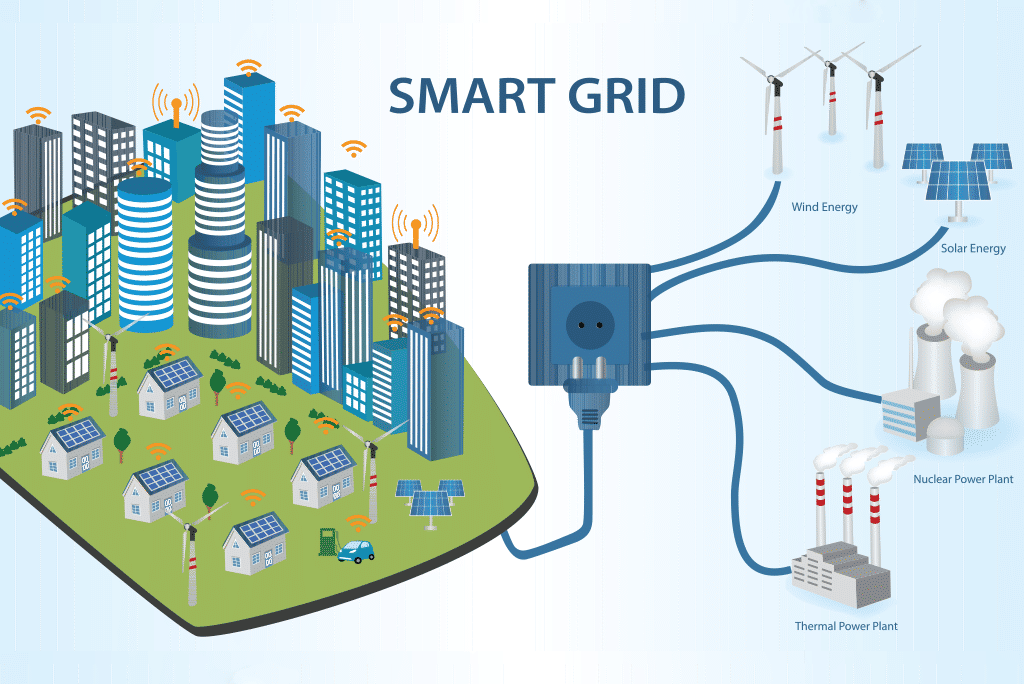
- Growing energy demand
- Integration of renewable energy sources
- Aging infrastructure
- Need for efficiency and reliability
Modern challenges require modern solutions.
Key Technologies Behind Software-Defined Grids
- Artificial Intelligence (AI)
- Internet of Things (IoT)
- Cloud computing
- Edge computing
These technologies enable smart energy systems.
How Software-Defined Grids Work
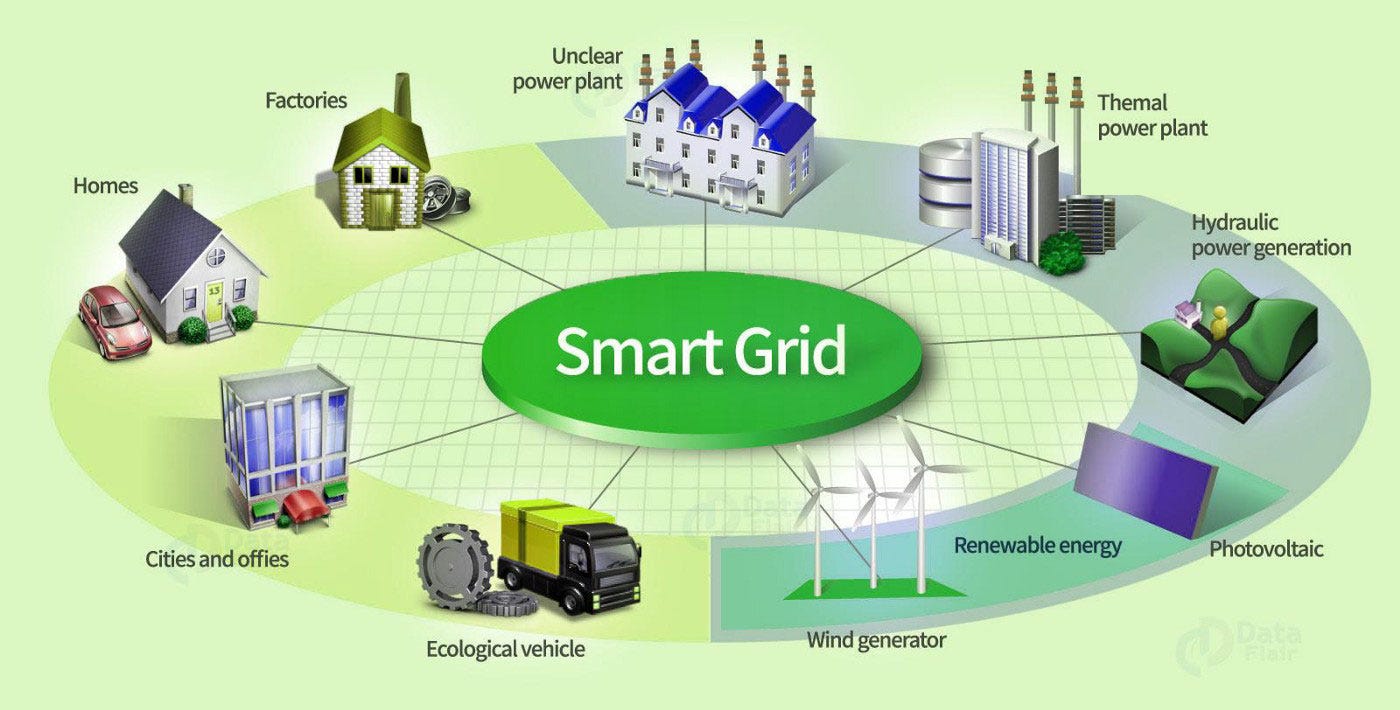
Software-defined grids operate through intelligent systems.
- Sensors collect real-time data
- Software analyzes energy demand and supply
- Automated systems adjust distribution
- AI optimizes performance
This enables efficient energy management.
Benefits of Software-Defined Power Grids
- Improved efficiency
- Enhanced reliability
- Better integration of renewable energy
- Reduced operational costs
These benefits drive adoption.
Applications and Use Cases
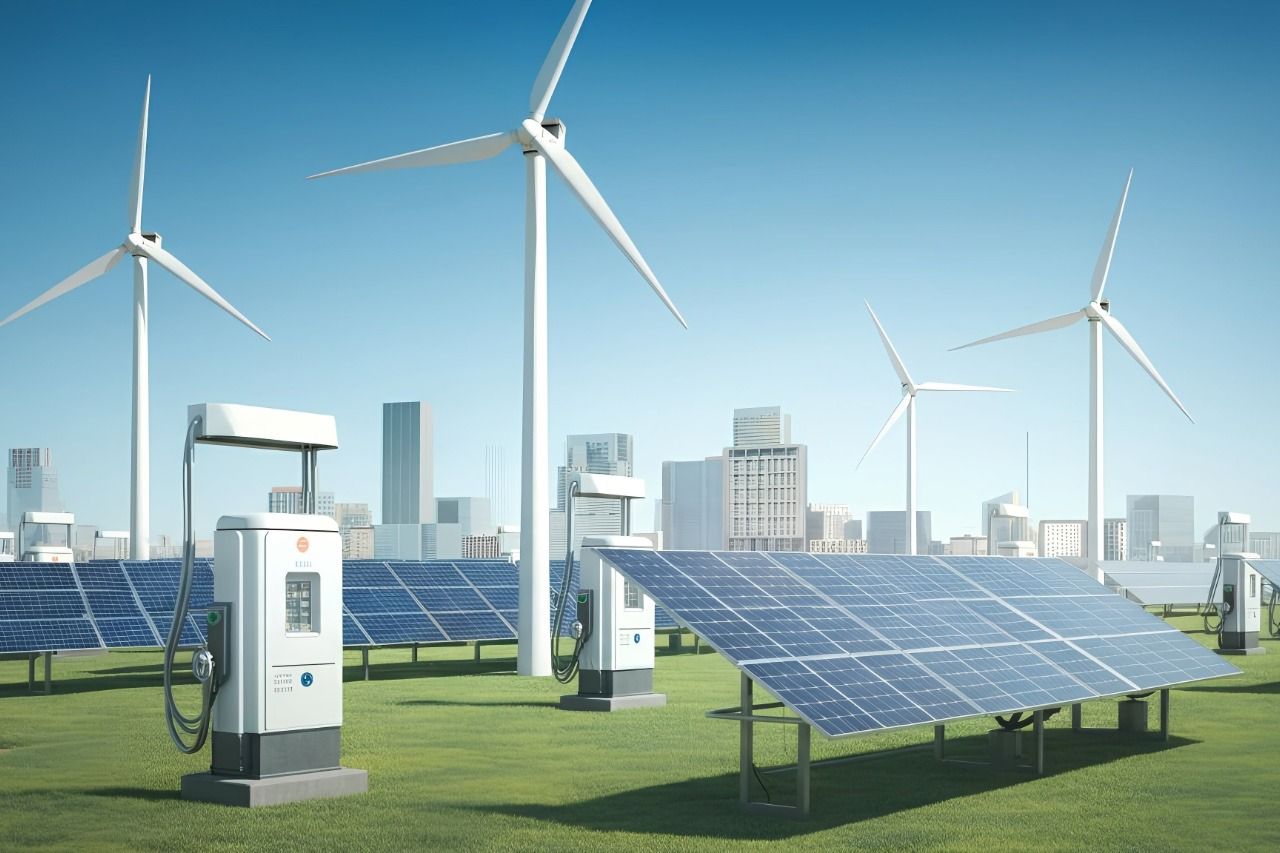
Software-defined grids are used in various scenarios.
- Smart cities
- Renewable energy integration
- Electric vehicle charging networks
- Industrial energy management
Their applications are expanding.
Challenges and Risks
- Cybersecurity threats
- High implementation costs
- Complex system integration
- Regulatory challenges
These challenges require careful planning.
The software-defined power grid transforms energy systems from static infrastructure into intelligent, adaptive networks that respond to real-time demands.
Software-Defined vs Traditional Power Grids
- Traditional → Centralized control
- Software-defined → Distributed intelligence
- Traditional → Manual operations
- Software-defined → Automated systems
This shift is transformative.
Future of Energy Systems
The future of power grids is intelligent and sustainable.
- AI-driven energy optimization
- Decentralized energy systems
- Integration with renewable sources
- Smart grid ecosystems
Software-defined grids will dominate the future.
Role in Sustainability
Software-defined grids support sustainable energy goals.
- Reduce energy waste
- Optimize renewable usage
- Lower carbon emissions
They are essential for a greener future.
Frequently Asked Questions
What is a software-defined power grid?
An energy system controlled by software.
Why is it important?
It improves efficiency and sustainability.
Where is it used?
Smart cities and renewable energy systems.
Conclusion
The software-defined power grid represents a transformative shift in how energy systems are designed and managed. By leveraging advanced technologies and intelligent software, it enables more efficient, reliable, and sustainable energy distribution. As the world moves toward a greener future, software-defined grids will play a crucial role in powering the next generation of energy systems.