Vibe Coding: The Shift to Intent-Driven Creation
The world of software development is undergoing a creative and technological revolution. Traditional coding—once focused on syntax, structure, and rigid logic—is evolving into a more intuitive and expressive process known as “vibe coding.” This emerging paradigm emphasizes intent, creativity, and collaboration with AI systems, allowing developers to focus on ideas rather than implementation details.
In 2026, vibe coding is gaining traction as AI-powered tools and generative models enable developers to build applications by describing what they want, rather than manually writing every line of code. This shift is democratizing software development and transforming it into a more accessible and creative discipline.
Vibe coding represents a new era where technology aligns more closely with human intuition.
What Is Vibe Coding?
Vibe coding is an approach to software development where developers express intent and ideas, and AI systems generate the corresponding code.
- Focus on creativity and intent
- AI-assisted code generation
- Natural language interaction
- Iterative refinement
It transforms coding into a creative process.
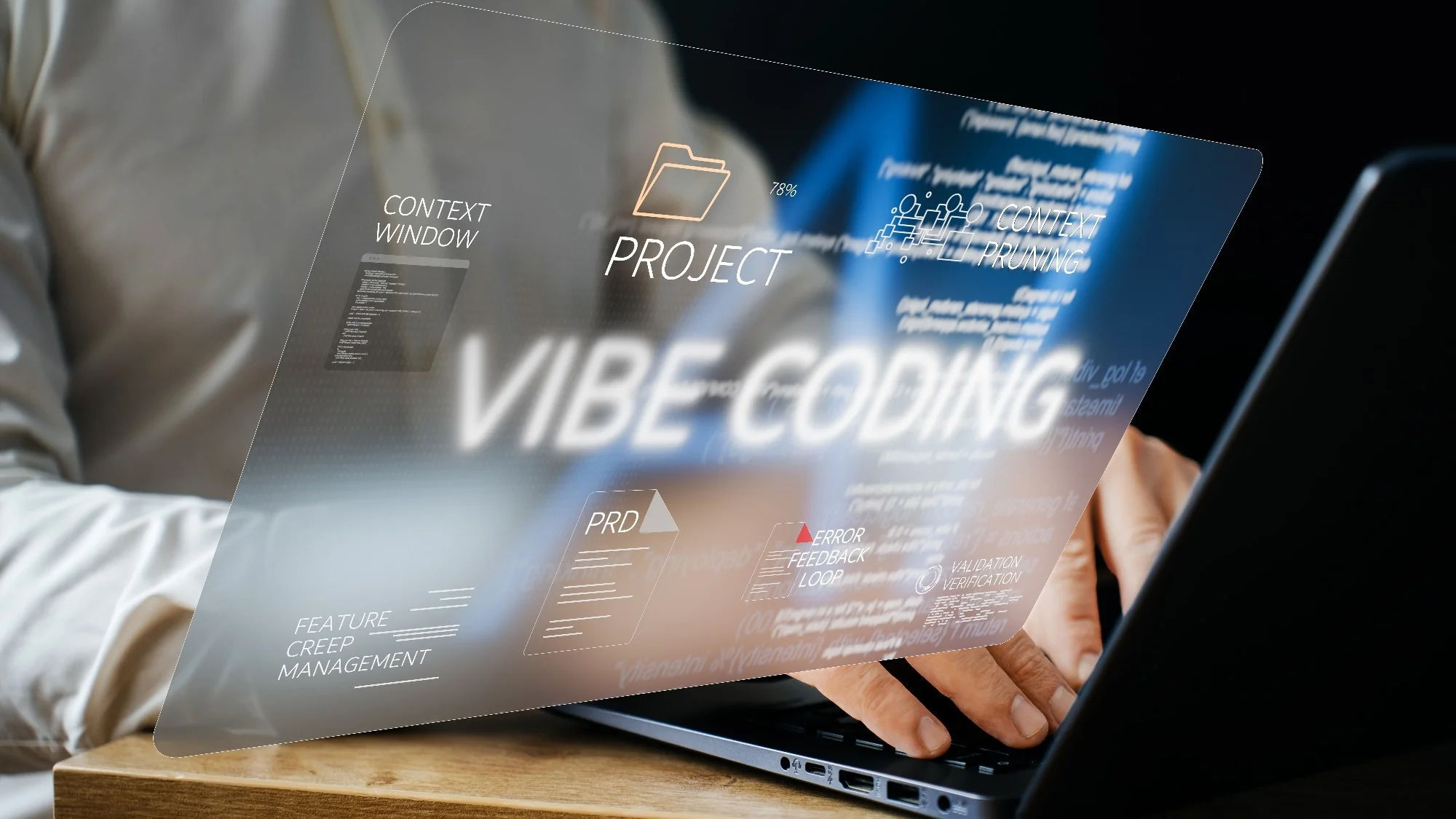
Why Vibe Coding Is Emerging
- Advancements in AI and LLMs
- Need for faster development cycles
- Growing complexity of software systems
- Demand for accessibility in tech
It reflects modern development needs.
How Vibe Coding Works
Vibe coding integrates AI into the development workflow.
- Developers describe desired outcomes
- AI interprets and generates code
- Continuous feedback and refinement
- Automation of repetitive tasks
This enables rapid creation.
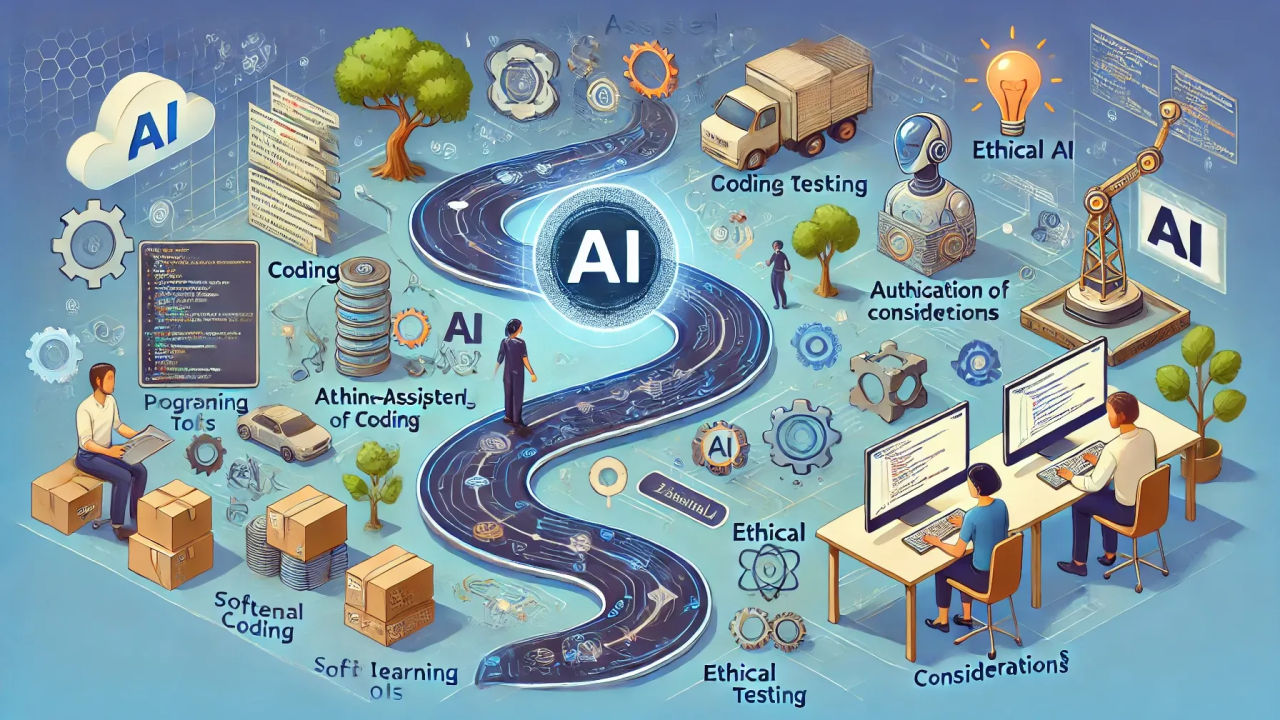
Key Technologies Behind Vibe Coding
- Large Language Models (LLMs)
- AI coding assistants
- Natural Language Processing (NLP)
- Low-code and no-code platforms
These technologies enable the paradigm.
Applications of Vibe Coding
Vibe coding is transforming software creation.
- Rapid prototyping
- Startup product development
- Automation workflows
- Creative coding and design
Its applications are expanding.
Benefits of Vibe Coding
- Faster development
- Enhanced creativity
- Reduced technical barriers
- Improved productivity
These benefits drive adoption.
Challenges and Limitations
- Dependence on AI accuracy
- Security and reliability concerns
- Limited control over generated code
- Need for validation and testing
These challenges must be addressed.
Vibe coding is not about replacing developers—it is about empowering them to create faster, think bigger, and focus on what truly matters: innovation.
Vibe Coding vs Traditional Coding
- Traditional → Syntax-driven
- Vibe → Intent-driven
- Traditional → Manual coding
- Vibe → AI-assisted creation
This shift is transformative.
Future of Vibe Coding
The future of vibe coding is promising.
- AI-native development environments
- Autonomous coding agents
- Integration with creative tools
- Expansion into non-technical domains
It will redefine development.
Role in Digital Transformation
Vibe coding is a key driver of digital transformation.
- Accelerates innovation
- Improves efficiency
- Enables broader participation
It is shaping the future of software creation.
Frequently Asked Questions
What is vibe coding?
An intent-driven approach to coding using AI.
Why is it important?
It makes development faster and more accessible.
Who can use it?
Developers, designers, and non-technical users.
Conclusion
Vibe coding represents a transformative shift in software development, moving from syntax-driven programming to intent-driven creation. By leveraging AI and focusing on creativity, it empowers developers to build faster, innovate more, and reduce complexity. As technology continues to evolve, vibe coding will play a central role in shaping the future of software and digital innovation.