Virtual Reality (VR)
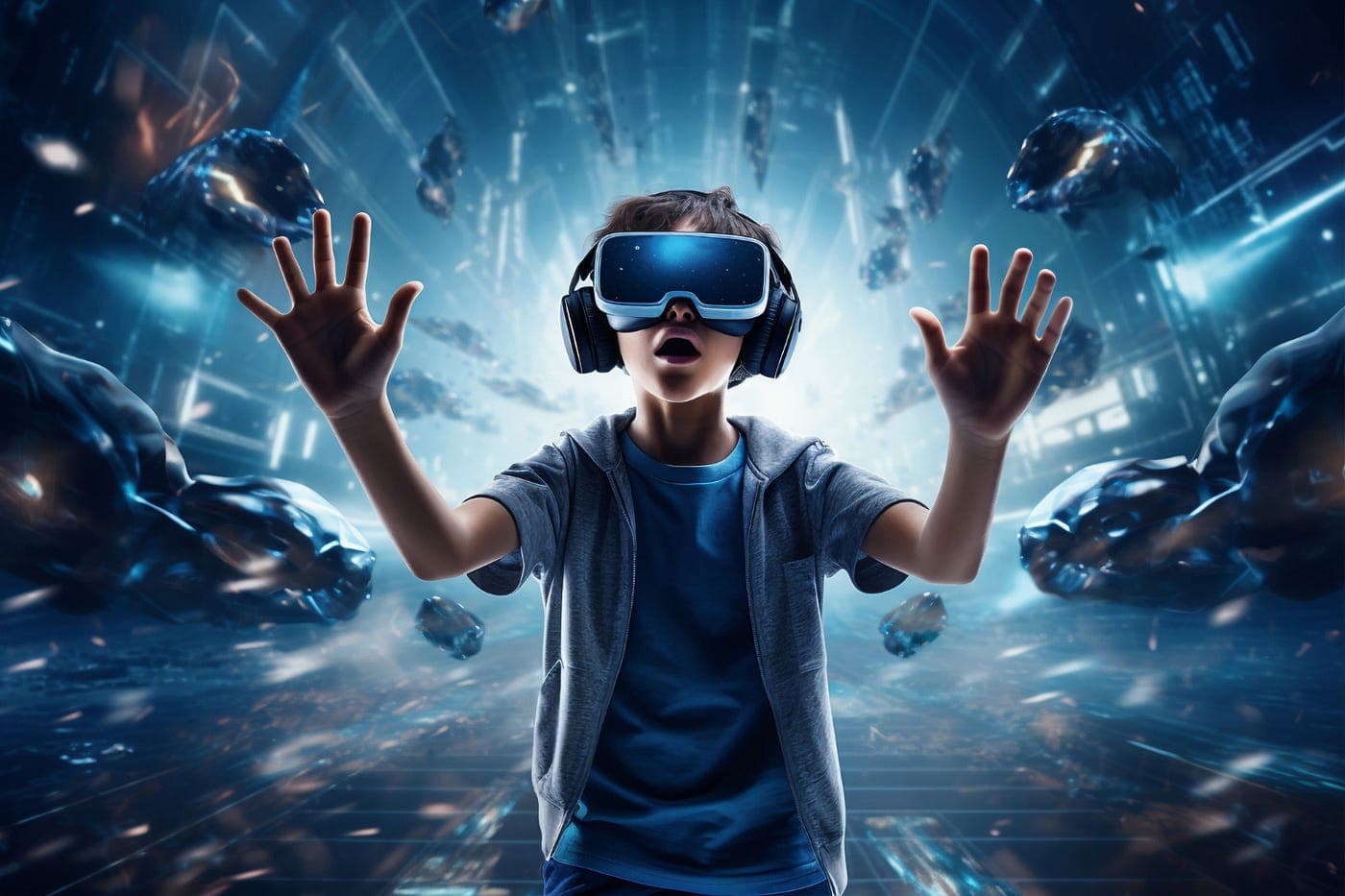
Virtual Reality (VR) is one of the most immersive technologies of the modern digital era. It allows users to experience a simulated environment that feels real through the use of advanced hardware and software. By wearing VR headsets, users can interact with virtual worlds in ways that were once unimaginable.
VR is transforming industries such as gaming, education, healthcare, real estate, and entertainment. It creates new opportunities for learning, training, and engagement by providing realistic and interactive experiences.
Understanding Virtual Reality is essential as it continues to redefine how humans interact with digital environments.
What Is Virtual Reality?
Virtual Reality is a computer-generated simulation of a three-dimensional environment that users can interact with using special devices like VR headsets and controllers.
- Immersive digital experience
- 3D virtual environments
- Interactive simulations
- Real-time user engagement
It creates a sense of presence in a virtual world.
How Virtual Reality Works
VR systems use a combination of hardware and software to create immersive experiences.
- VR headset displays 3D visuals
- Sensors track user movement
- Controllers enable interaction
- Software generates virtual environments
This integration creates a realistic experience.
Types of Virtual Reality
- Non-Immersive VR: Basic interaction via screens
- Semi-Immersive VR: Partial immersion
- Fully Immersive VR: Complete virtual experience
Each type offers different levels of interaction.
Applications of Virtual Reality
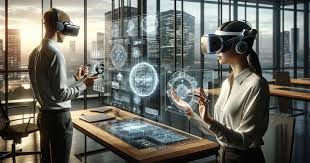
VR is widely used across various industries.
- Gaming and entertainment
- Education and training
- Healthcare (surgery simulations)
- Real estate (virtual tours)
- Military and defense training
Its applications continue to expand rapidly.
Benefits of Virtual Reality
- Immersive learning experiences
- Enhanced engagement
- Cost-effective training
- Improved visualization
These benefits drive adoption.
Challenges of Virtual Reality
- High cost of equipment
- Technical limitations
- Health concerns (motion sickness)
- Content development challenges
Addressing these challenges is important.
VR vs Augmented Reality (AR)
- VR → Fully immersive environment
- AR → Enhances real-world view
- VR → Requires headset
- AR → Uses mobile or smart glasses
This distinction is important for understanding both technologies.
Virtual Reality is not just a technology—it is a new way of experiencing the world beyond physical limitations.
Future of Virtual Reality
The future of VR is promising with continuous advancements.
- Integration with AI and IoT
- Growth of the metaverse
- Improved hardware and accessibility
- Expansion in education and healthcare
VR will redefine digital experiences.
Role in Digital Transformation
VR plays a significant role in digital transformation.
- Enhances user experience
- Improves training and education
- Drives innovation
It is a key technology for the future.
Frequently Asked Questions
What is Virtual Reality?
It is a simulated 3D environment experienced through VR devices.
Where is VR used?
Gaming, education, healthcare, and more.
Is VR safe?
Yes, but prolonged use may cause discomfort.
Conclusion
Virtual Reality is transforming how we interact with digital environments by providing immersive and interactive experiences. From gaming to healthcare, VR is driving innovation and creating new possibilities. As technology continues to evolve, Virtual Reality will play a crucial role in shaping the future of digital experiences and human interaction.